


Yemen’s War Returns: Houthis, State Power, and the Regional Conflict
Featured Speakers: Fatima Abo Alasrar, Abdulghani Al-Iryani, Baraa Shiban, and Anas Alqaed.
Bios:
 Fatima Abo Alasrar
Non-Resident Fellow, Arab Gulf States Institute
Fatima Abo Alasrar is a Non-Resident Fellow at the Arab Gulf States Institute. She is the founder of the Ideology Machine, a publication on authoritarian information systems. She is a scholar specializing in Yemen’s conflict dynamics, the Houthi movement, Iranian-aligned networks, and Gulf security.
Her work examines the intersection of ideology, conflict, and great-power competition, with particular attention to how Iranian-aligned movements interact with broader geopolitical currents across the Middle East. Previously, Alasrar was a senior analyst at the Arabia Foundation in Washington, DC, the MENA director for Cure Violence, and a research associate at the Arab Gulf States Institute in Washington. She has been a Mason Fellow at Harvard Kennedy School and an International Policy Fellow at the Open Society Foundations.
From 2006 to 2012, Alasrar worked as an advisor for the Embassy of Yemen in Washington, DC. Earlier in her career, she worked at the British Embassy and served as a program officer for the United Kingdom’s Department for International Development in Yemen.
Alasrar holds an MA in public administration from Harvard University, an MA in international relations from the Johns Hopkins University, and a BS in architectural engineering from Sana’a University in Yemen.
 Abdulghani Al-Iryani
Senior Researcher, Sanaa Center for Strategic Studies
Abdulghani Al-Iryani is a senior researcher at the Sana’a Center where he focuses on the peace process, conflict analysis and transformations of the Yemeni state. Al-Iryani has more than forty years of experience as a political and development consultant.
Prior to joining the Sana’a Center, Al-Iryani worked with the United Nations in the Office of the Special Envoy of the Secretary-General for Yemen and with the United Nations Development Programme’s mission in Hudaydah, as well as with the World Bank on issues related to the conflict in Yemen. He has conducted research on constitutional reform, anti-corruption, governance, government capacity, state-building, and conflict management and resolution as well as social and economic development.
Since the 1980s, Al-Iryani has consulted for a number of international organizations, including UN agencies, the World Bank, DFID, GIZ, USAID and AUSAID. His volunteer work includes co-founding and serving as president of TAWQ, a political NGO advocating democracy. He also served on the Advisory Board of Human Rights Watch MENA Region.
 Baraa Shiban
Associate Fellow of International Security, Royal United Services Institute
Baraa Shiban is an Associate Fellow of International Security at the Royal United Services Institute and a researcher and political analyst on Yemen and the Gulf. He is a consultant with the London-based human rights group Reprieve. Baraa has extensive knowledge on counter terrorism policies in the MENA region, with 10 years’ experience covering counter terrorism impact on local communities in Yemen.
Between 2013 and 2014, Baraa served as a member of the Yemeni National Dialogue – the multiparty council tasked to negotiate Yemen’s new constitution. Following the Houthis coup in September 2014, he participated in rounds of negotiations with the Houthi rebels but was forced to go into exile due to his constant criticism of Houthis human rights abuses.
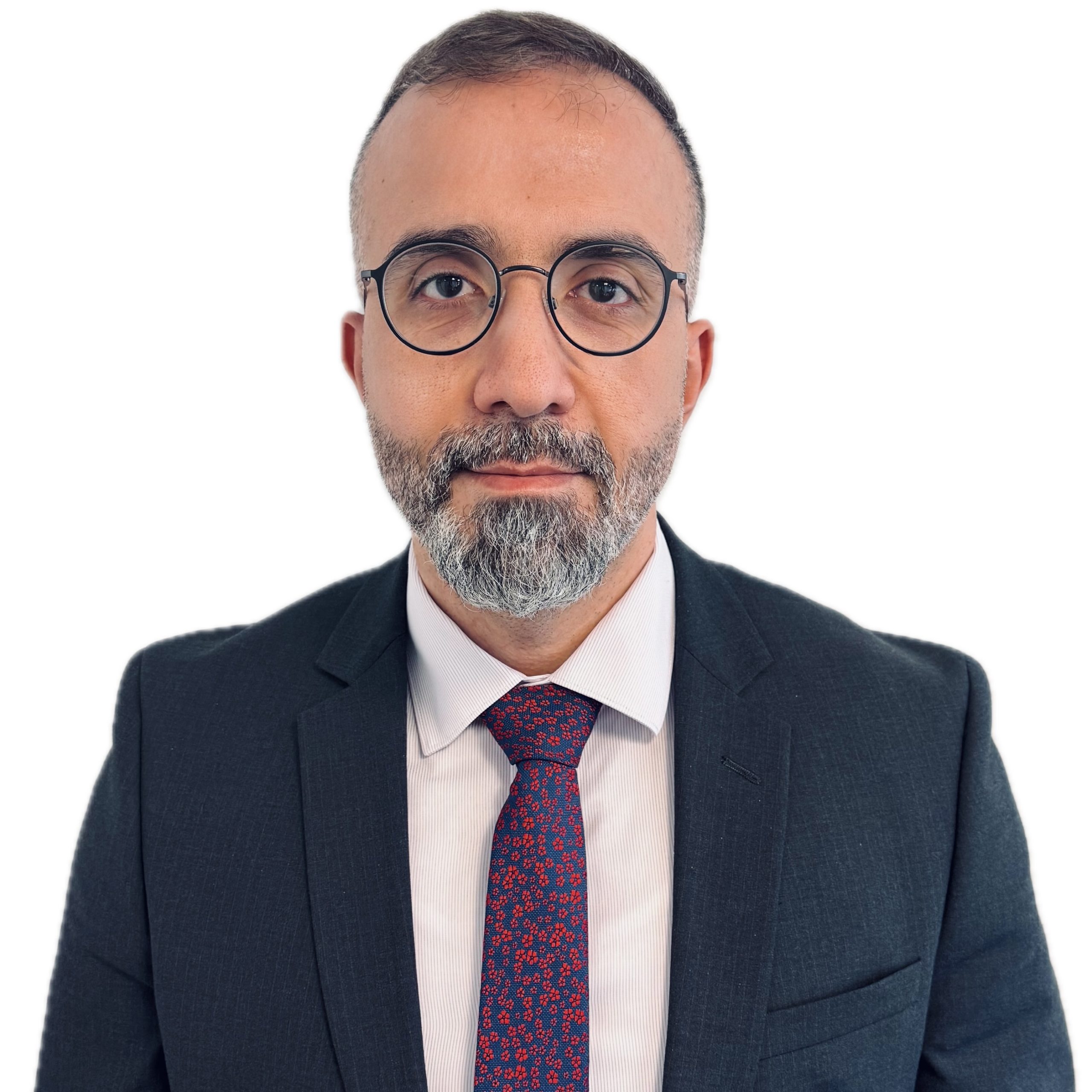 Anas Alqaed (moderator)
Director of Programs, Gulf International Forum
Anas Alqaed is the Director of Programs at Gulf International Forum. In addition to his role, he has conducted extensive research on political and social changes in Syria, Lebanon, and Iraq, and the power and influence of paramilitary groups throughout the Middle East. Before joining the Gulf International Forum, Anas worked for the United Nations High Commissioner for Refugees (UNHCR) for 10 years in Syria IDP Operation, Iraq Refugee Operation, and Libya Refugee Operation. At UNHCR, he specialized in refugee community resilience, capacity-building for governmental and non-governmental organizations, and community mobilization. Anas holds Master’s in International Public Policy with Middle East concentration from the Johns Hopkins School of Advanced International Studies (SAIS).