Strengthening Khaliji Unity: The GCC’s Commitment to Cooperation
The GCC shifts from competition to collaboration, strengthening economic integration, security, and Khaliji identity—and perhaps ushering in a new era of unity and regional cooperation.

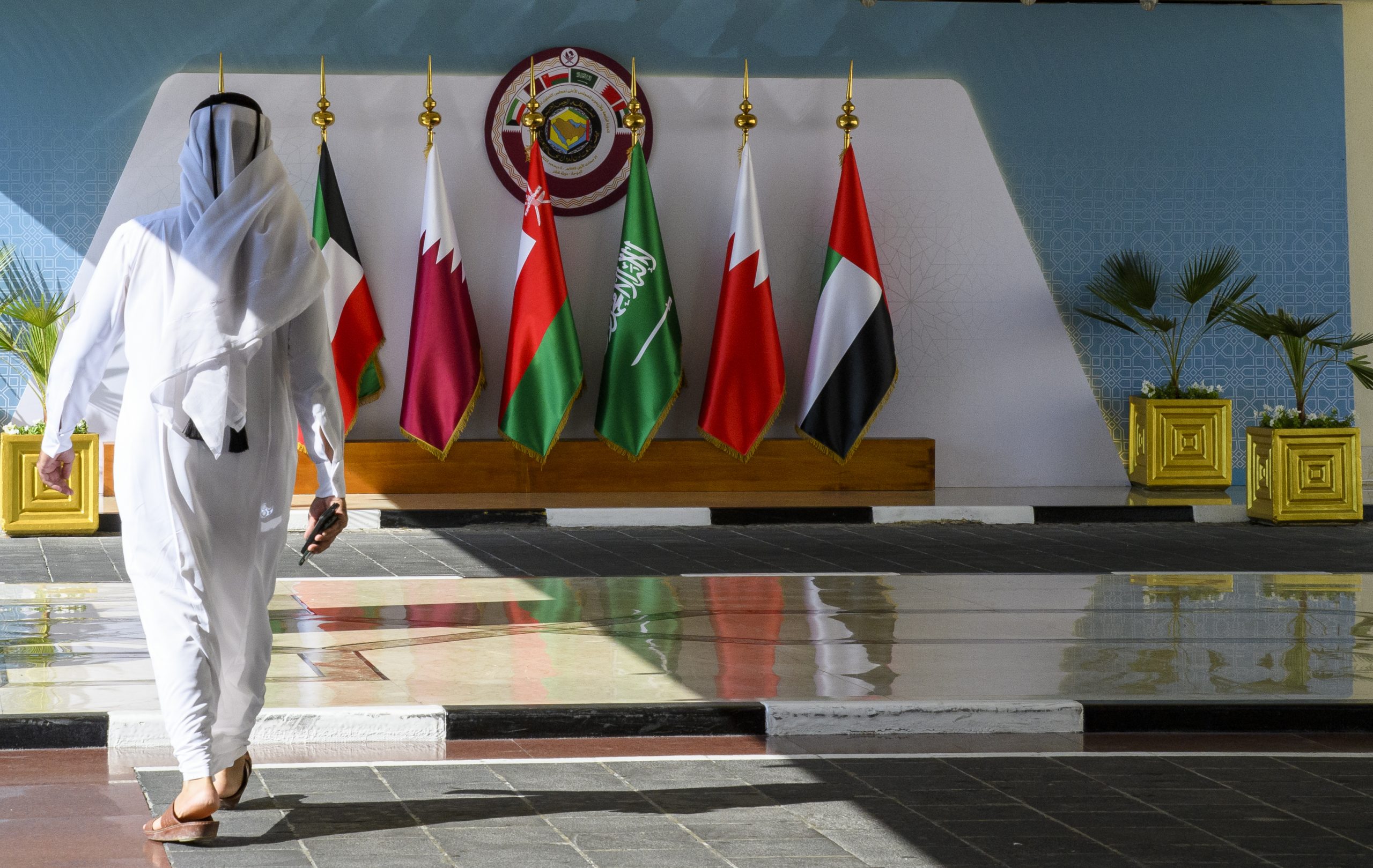
The Gulf Cooperation Council (GCC) strategic shift from rivalry to collaboration signals the bloc’s recognition that unity is key to shaping the region’s future. Once fragmented by geopolitical competition, the Gulf states are now embracing a renewed sense of Khaliji identity, prioritizing collective action over individual ambitions. The 45th GCC Summit in Kuwait was an example of renewed sense of unity, signaling a shift toward deeper cooperation in security, economics, and governance. As regional challenges mount, the bloc’s ability to navigate complexities through a unified approach underscores its growing role as a stabilizing force in the Gulf and beyond.
Moving beyond its past divisions, the GCC seeks to advance shared policies that strengthen economic integration, bolster security, and reaffirm the cultural and political identity of the Gulf. As the region faces evolving geopolitical challenges, this emphasis on pan-Gulf collaboration signals a deeper recognition of the power of unity. The GCC’s growing role as a diplomatic and economic force underscores the resurgence of a collective Khaliji identity, positioning the bloc as a key player in shaping regional stability and global influence.
Pan-Gulf Solutions
One of the most important developments to emerge from the 45th GCC Summit may not be a specific policy or proposal, but rather the growing sense of cooperation and integration that has re-emerged among the GCC’s member states since Al-Ula summit in 2021 that ended the 2017 Gulf crisis. While members have long lauded the importance of the Khaliji identity and have sought to bolster it whenever possible, ongoing competition among the Gulf’s richest countries—Saudi Arabia, the UAE, and Qatar, in particular—over regional and global influence has overshadowed pan-Gulf policies in the past. Perhaps these are signs that a general thaw in intra-GCC dynamics is afoot.
At the 45th GCC Summit, member states adopted several initiatives aimed at enhancing intra-bloc cooperation, including new policies on empowering youth and women, strengthening Gulf identity and educational institutions in the region, improving cybersecurity, combating corruption, money laundering, and drug trafficking, promoting a unified tourist visa, and caring for those with disabilities. Attendees also discussed common artificial intelligence efforts. The promises of and challenges associated with AI are undoubtedly transnational (according to one McKinsey report on generative AI, the industry could add 1.7 to 2.8 percent of annual non-oil GDP to GCC economies), and some GCC countries have aspirations to become major players in the AI space. Therefore, GCC leaders recognize that the bloc should establish joint instruments to boost the benefits of AI and mitigate its institutional and economic risks. By aligning their efforts in the AI space, PricewaterhouseCoopers forecasts that the Gulf monarchies could “reap about $23.5 billion in economic benefits by 2030.” To maximize their chances of success, GCC policymakers should consider integrating aspects of their national AI firms, though this prospect is highly unlikely.
An Emerging Diplomatic Powerhouse
The second major outcome of the Kuwait summit was the GCC’s more consolidated approach to regional tensions. More specifically, the bloc agreed that it must work to shield its members political insecurity that could arise from geopolitical events in Syria. Since its formation, internal security and regime stability have been primary motivations for the GCC, but Assad’s rapid ouster has reminded leaders throughout the region of the impermanence of power. Thus, the GCC appears poised to prioritize peace and stability, with sanctions and other coercive behaviors taking the back seat.
There are two explanations for the GCC’s new reliance on diplomacy. The first is that the divergent positions of the GCC states on several global and regional issues—including the wars in Yemen, Sudan, Syria, Gaza, and Ukraine, as well as diplomatic relations with Israel—mean that the Gulf’s monarchies must deliberate if they are to find common solutions to their most pressing issues. This era of the GCC may represent the internal de-politicization of the bloc, with a renewed emphasis on technical solutions. Second, the GCC’s diplomatic renaissance can be put down to its weakness in coordinating military or domestic political action. Other than its drastic military interventions in Bahrain and Yemen, the GCC rarely acts together during crises. Thus, the bloc’s current trajectory dovetails with its traditional mediatory disposition.
Of course, the GCC’s initial hesitancy to involve itself in post-Assad Syria dissipated as the chance to shape events in Syria grew more tempting. Indeed, the GCC secretary general and other GCC leadership have engaged HTS leaders several times since the group assumed power. On the 9th of December, Jasem Al-Budaiwi detailed the GCC’s position, stating that the Gulf monarchies “renew their rejection of regional interventions in Syrian affairs and any actions that threaten Arab national security and jeopardize international peace and security.” Later in December, the GCC Ministerial Council gathered for an extraordinary meeting on Syria that produced a statement calling for calm and a smooth transition to stable governance. Al-Budaiwi later visited Damascus on December 30th and reaffirmed that the security and stability of Syria are fundamental pillars of regional security and that the GCC will support the country’s “unity and stability, benefiting its brotherly people with security, prosperity, and development.” As Ahmed Al-Sharaa has consolidated his power in Damascus and assumed the Syrian presidency, Al-Budaiwi sent a congratulatory message on behalf of the GCC. These proactive diplomatic steps demonstrate that Syrian politics is once again at the top of the agenda of the Gulf states, and that the GCC as an institution is dedicated to pursuing mediation to advance the bloc’s shared interests.
The bloc’s renewed commitment to coordinated economic strategies and unified regional policies mark a significant step toward deeper integration. By advancing shared initiatives in cybersecurity, AI, economic diversification, and governance, the Gulf states are laying the groundwork for long-term stability and prosperity. The renewed focus on regional cooperation reflects a strategic shift away from competition toward collective growth, and should be encouraged by each member state. As the GCC strengthens its economic and diplomatic influence, its member states must continue aligning their national visions to ensure sustainable development, enhance global competitiveness, and solidify the Gulf’s position as a cohesive economic and political powerhouse.
The views and opinions expressed in this article are those of the authors and do not necessarily reflect the views of Gulf International Forum.
Issue: Geopolitics, Politics & Governance
Country: GCC

Dr. Betul Dogan Akkas is a researcher of the Arab Gulf States. She holds a PhD in government and international affairs from Durham University. In her research, she examines foreign policy, security strategies, and political culture in the GCC states. Dogan-Akkas also covers the involvement of the GCC states in the Yemen war and Turkiye-GCC relations.

Beyond Hormuz: Why Balochistan Matters to Gulf Energy Security
October 21, 2026A conflict long treated as peripheral to Gulf security is becoming harder to ignore as the war with Iran puts pressure on the region’s maritime…
Should Syria and Qatar Join the Mecca Pact?
October 9, 2026Three years of cascading conflict have fundamentally transformed the Middle East’s security outlook. American weapons, military deployments, and security guarantees remain central to the region….

China’s Technology Development Push Meets Gulf Diversification
October 6, 2026China’s “new quality productive forces” (NQPF) are often understood as a domestic effort to revive growth, upgrade industry, and reduce dependence on Western technology. Yet…