Expert Outlook: Trump’s Back to the Oval Office – What Does it Mean for the Gulf?
Exploring the Impact of a Trump Presidency on U.S.-GCC Relations and Middle East Stability

This expert analysis explores how renewed U.S. leadership under Trump could influence the balance of power in the Middle East, focusing on U.S.-GCC relations, Israel-Iran tensions, and Iraqi stability amid U.S.-Iran competition.

Trump’s Gulf Policy: His Push for “Peace” and Profits
Dr. Dania Thafer
In the Gulf, President-Elect Donald Trump will continue many of Biden’s key policies: avoiding regional war while containing Iran, showing strong support for Israel, while working to expand Israel-Gulf ties. He will pursue more aggressive efforts than Biden to secure and maintain strong economic deals with the Gulf Cooperation Council (GCC) countries. He has touted that he will bring peace to the region and has also mentioned that his strategy is “peace through strength”. The real challenge is whether Trump can show strength without tipping the scales in the Middle East into a full-blown conflict.
With Iran and Israel teetering on the brink of war, the GCC states are strongly opposed to a regional conflict — a stance that Trump appears to share. Israel and the Gulf agree on Iran’s destabilizing influence, though they disagree on how to address it. Netanyahu appears bent on escalation and confrontation, whereas the GCC states now prioritize diplomacy and strategic engagement. Trump is likely to apply maximum pressure on Iran while simultaneously seeking to avoid regional war — a delicate balancing act that keeps GCC states on edge. Should he manage to strike this balance, he will ambitiously seek to achieve a deal with Iran.
Undoubtedly Trump is interested in expanding the Abraham Accords. Beyond the need for an immediate ceasefire in Gaza, disagreement on another major issue will be a roadblock. The GCC now views the establishment of a Palestinian state as an urgent national security priority—and after Israel’s atrocious conduct in Gaza they view it as the only path to secure long-term stability of the Middle East. Trump’s consistent dismissal of a Palestinian state complicates any prospects for reaching an agreement.
Globally and specifically within the Gulf region, the AI race is accelerating. Beyond arms sales, Trump’s focus on economic deals will be an intriguing development for the GCC states, which are actively advancing their agendas in digital diplomacy and competing in the tech race of the Fourth Industrial Revolution. Trump’s close ties with business leaders like Elon Musk, and the potential for a cabinet heavily represented by the business community may heighten Gulf interest in tech deals.
One point of divergence for the GCC may not be in Trump’s Middle East policy, but in his policy for the Ukraine war and fossil fuel production. Trump’s plans to increase domestic energy production and his foreign policy aim of ending the Ukraine war together could significantly decrease demand for hydrocarbons and strain Gulf economies. This depends on if Trump can end the war and whether Russia’s fossil fuels come back on the market, two issues that are difficult to predict.
 Trump’s Second Chance: A Path to Peace in Yemen
H.E. Dr. Abu Bakr Alqirbi
During President Trump’s first term, the U.S. backed the Arab coalition in the war against Ansar Allah (the Houthi movement) in Yemen. This support included intelligence sharing, logistical aid, and arms sales, reinforcing a campaign aimed at curbing Houthi influence. However, the coalition’s intervention, while intended to restore the internationally recognized Yemeni government and diminish Iranian influence, failed to achieve its primary objectives. Instead, it led to a protracted conflict that devastated Yemen, resulting in catastrophic humanitarian conditions, mass displacement, and severe famine. The war severely weakened Yemen’s government institutions, rendering them less effective and dependent on external assistance, and intensified the regional proxy war dynamic, further destabilizing the region.
The consequences of this approach were dire: Yemen’s infrastructure crumbled, its economy collapsed, and millions of civilians faced food insecurity and limited access to basic services. The U.S. support of the Arab coalition during Trump’s first term indirectly fueled these outcomes, contributing to international criticism and calls for policy reassessment.
As Trump contemplates his second administration, it is crucial to acknowledge these past failures and shift strategy. Any renewed engagement should prioritize ending the conflict and supporting a sustainable peace process. This would involve backing inclusive Yemeni-led negotiations, ensuring international guarantees for peace agreements, and promoting mechanisms to deter obstructive actors. A reassessment of Trump’s previous involvement, as well as President Biden’s approach, is necessary for the U.S. to play a constructive role in fostering peace. Empowering Yemenis to resolve their conflicts internally, free from excessive external interference, is essential to prevent further humanitarian suffering and rebuild the nation’s stability. The future U.S. policy should emphasize humanitarian support and strategic peace-building to address the deep-rooted challenges that have prolonged Yemen’s suffering.
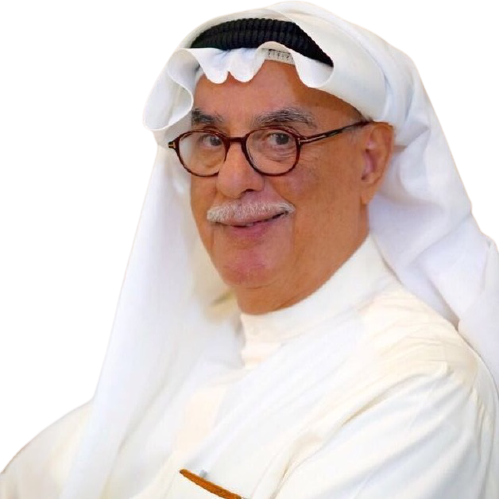 Continuing the Momentum: U.S.-GCC Relations in a Second Trump Term
Mohammad Alrumaihi
Under a second Trump administration, U.S.-GCC relations will likely continue to emphasize close ties, particularly in the areas of economy, defense and security. The GCC states have long valued their partnership with Washington, not only due to the growing economic and energy interests but also for the robust security assurances the U.S. provides. With a substantial U.S. military presence across the GCC states, all six states rely on the United States as a strategic partner, hosting thousands of U.S. military personnel and facilities such as the forward headquarters of U.S. Army Central Command (USARCENT) in Kuwait, forward headquarters for U.S. Central Command (CENTCOM) and the U.S. Air Force Central Command in Qatar, U.S. Navy’s Fifth Fleet and the Naval Support Activity in Bahrain, and important presence in Al Dhafra airbase in the UAE. These forces play a pivotal role in regional stability, securing the seas surrounding the Gulf, and serving as a deterrent against regional threats.
Trump has increasingly aligned himself with the middle ground policies, having shifted closer to moderate positions. Additionally, as he enters a second term, he will be freer from external pressures. He has also declared intentions to bolster military power and combat terrorism, which could mean further retreat of Iran’s influence in the Middle East, particularly overs its proxies such as Lebanon’s Hezbollah, militias in Iraq, and Yemen’s Houthis.
During Trump’s first term, relations between the U.S. and GCC countries strengthened, with Trump prioritizing ties with the Gulf states after 8 years of Obama’s “Pivot to Asia” policy that casted doubts on US commitment to Gulf states security. Saudi Arabia was the first country that Trump visited, marking a departure from presidential precedent. Trump’s administration fostered closer ties through arms sales, defense agreements, and support for GCC-led efforts, such as isolating Iran. Saudi Arabia and the UAE, in particular, received significant U.S. military support and arms deals. The administration also prioritized economic collaboration, encouraging investment in U.S. infrastructure. However, Trump’s stance occasionally created friction within the GCC, especially over the Qatar blockade, which he initially supported before calling for Gulf unity.
Economically, the U.S. and the GCC maintain substantial trade relations, supported by several bilateral committees to strengthen diplomatic, economic and trade relations. Given Trump’s established rapport with GCC leaders and his previous administration’s focus on bolstering security ties, it is anticipated that his second term would build on these foundations. Such continuity would align with GCC states’ shared foreign policy strategies of maintaining strong ties with Washington across administrations, ensuring ongoing U.S. support in defense and economic matters. However, Gulf states leaders must realize the importance of close coordination among GCC states and the resolution of minor disputes in order to form an effective economic and political bloc. The world is changing rapidly, and the six Gulf states must prioritize strengthening their alliance.
 Trump’s Return: Symbolic Alliances or Substantive Support?
Dr. Khalid AlJaber
During his first term, President-Elect Donald Trump prioritized personal relationships with Gulf leaders, providing steadfast defense support while deliberately avoiding critique of their domestic policies. This approach bolstered his appeal in the Gulf, fostering a sense of camaraderie among leaders but leaving unresolved issues unresolved. When Trump returns to office, Gulf states might hope for his assistance in tackling regional conflicts and attracting economic investment. However, there is skepticism about whether his administration would meet their needs substantively, or merely reinforce symbolic alliances.
A second Trump term might appear ideologically aligned with conservative values that resonate with parts of the Gulf population. Yet, this alignment, grounded in conservative social values, does little to address the deeper economic and political challenges facing the region. Critics argue that Trump’s transactional approach to foreign policy—prioritizing short-term deals over long-term stability—could exacerbate regional insecurities, especially as Gulf states face pressure to diversify their economies beyond oil.
Additionally, many Gulf leaders remain wary of shifting priorities in U.S. foreign policy, especially after frustrations with the Biden administration’s unwavering support for Israel. President Trump’s return might offer temporary relief, but there is an underlying concern that his administration’s approach could lead to further volatility, if it fails to account for the region’s complex dynamics and the growing desire for nuanced, sustainable American engagement that extends beyond defense pacts and ideological alignment.

Uncertain Hopes and Lingering Fears: GCC Reactions to Trump’s Return
Dr. Hind Al-Ansari
In Gulf Cooperation Council (GCC) societies, there are mixed feelings about President-Elect Trump’s return to the White House in January 2025. Some uncertainty stems from the complex legacy he left in the region after his departure in 2020, while others feel apprehension, and perhaps a faint glimmer of hope regarding how he might handle the policies and challenges left by his Democratic predecessor.
For many, concerns that the Republican President-Elect might escalate tensions with Iran are palpable. However, there is also confidence that GCC leaders, familiar with Trump’s approach and backed by stronger alliances with other global powers, will manage to temper any military posturing from Washington against Iran, should it arise. Saudi Arabia, for example, may prioritize advancing its national interests through Trump’s business-pragmatism rather than becoming entangled in a confrontation with Iran alongside its American partner.
Moreover, the Biden administration’s ironclad support for Israel has fueled public opinion in the Gulf with anti-American sentiment over the disregard for Palestinian and Lebanese lives, straining some crucial channels that facilitate U.S.-GCC networks. Some in the Gulf region hope that Trump will honor his campaign promises to ‘end the war’, rather than unequivocally supporting Netanyahu’s right-wing government. Yet, given Trump’s favorable actions toward Israel, others fear conditions could worsen for Palestinians under his renewed leadership, potentially causing ripple effects throughout the entire Arab World.
 Trump 2.0: Energy Over Climate in U.S.-Gulf Relations
Dr. Umud Shokri
A second Trump term will likely reshape U.S.-Gulf energy relations, with a focus on increased fossil fuel production and exports, while deprioritizing climate concerns. Trump’s “drill, baby, drill” approach would emphasize expanding domestic oil and gas output, potentially lowering global prices and challenging OPEC+ unity despite Trump’s strong ties with the kingdom.
The administration would likely accelerate LNG export projects, reversing Biden’s freeze on permits. This would increase U.S. LNG exports- particularly to Europe- and would compete with global suppliers and potentially future exports from the GCC.
Trump will prioritize bilateral energy agreements, sidelining human rights issues, potentially boosting U.S. investments and trade in Gulf fossil fuel sectors. However, his protectionist approach, including tariffs, could complicate energy trade if reciprocal tariffs are imposed.
With climate change taking a backseat, U.S. LNG exports might become less competitive in markets focused on emissions reduction. This shift could offer Gulf producers a chance to position themselves as more environmentally conscious suppliers, despite their reliance on fossil fuels.
Trump will likely prioritize U.S. energy dominance and exports, reshaping global energy dynamics and U.S.-Gulf relations. His “America First” energy policy could boost global supply, test OPEC+ cohesion, and open new avenues for trade and investment opportunities with the Gulf. This approach may also complicate the geopolitical landscape, allowing Gulf producers to position themselves as more eco-conscious players amid shifting market demands.
 Iraq on Edge: Renewed Tensions in a Second Trump Era
Dr. Zeidon Alkinani
A second Trump term may deepen anxieties within Iraq over potential escalations between the United States and IranThis concern is rooted in the memories of significant U.S.-Iran confrontations during Trump’s first term, most notably the 2020 killing of IRGC General Qasem Soleimani. This event marked an intense phase of the U.S.-Iran conflict, leading to retaliatory attacks by Iran-backed militias on U.S. forces stationed in Iraq. Such incidents highlighted Iraq’s position as a potential battleground for U.S.-Iran tensions, raising concerns about the country’s security and sovereignty.
Given Trump’s prior hardline stance on Iran, a renewed term could signal a return to maximum pressure tactics, potentially provoking responses from Iran-aligned Iraqi militias. This scenario risks destabilizing Iraq’s fragile security environment, straining U.S.-Iraq relations, and force Iraq’s leadership into a delicate balancing act. Iraqi officials face the challenge of preserving U.S. support, while minimizing domestic instability and avoiding entanglement in renewed U.S.-Iran hostilities. Consequently, a second Trump administration could place Iraq in a precarious position, increasing pressure on Iraqi leaders to manage both foreign and internal responses to U.S.-Iranian dynamics on Iraqi soil.
Issue: Defense & Security, Economy & Innovation, Energy & Environment, Geopolitics, Society & Culture
Country: GCC, Iran, Iraq, Yemen

Toward a New Order in MENA Regional Geopolitics
September 2, 2026This report is a byproduct of the workshop “Toward a New Order in MENA Regional Geopolitics: What’s Next for the Region’s Geopolitical Equilibrium?,” hosted in…
Yemen’s Emerging Role in the Red Sea
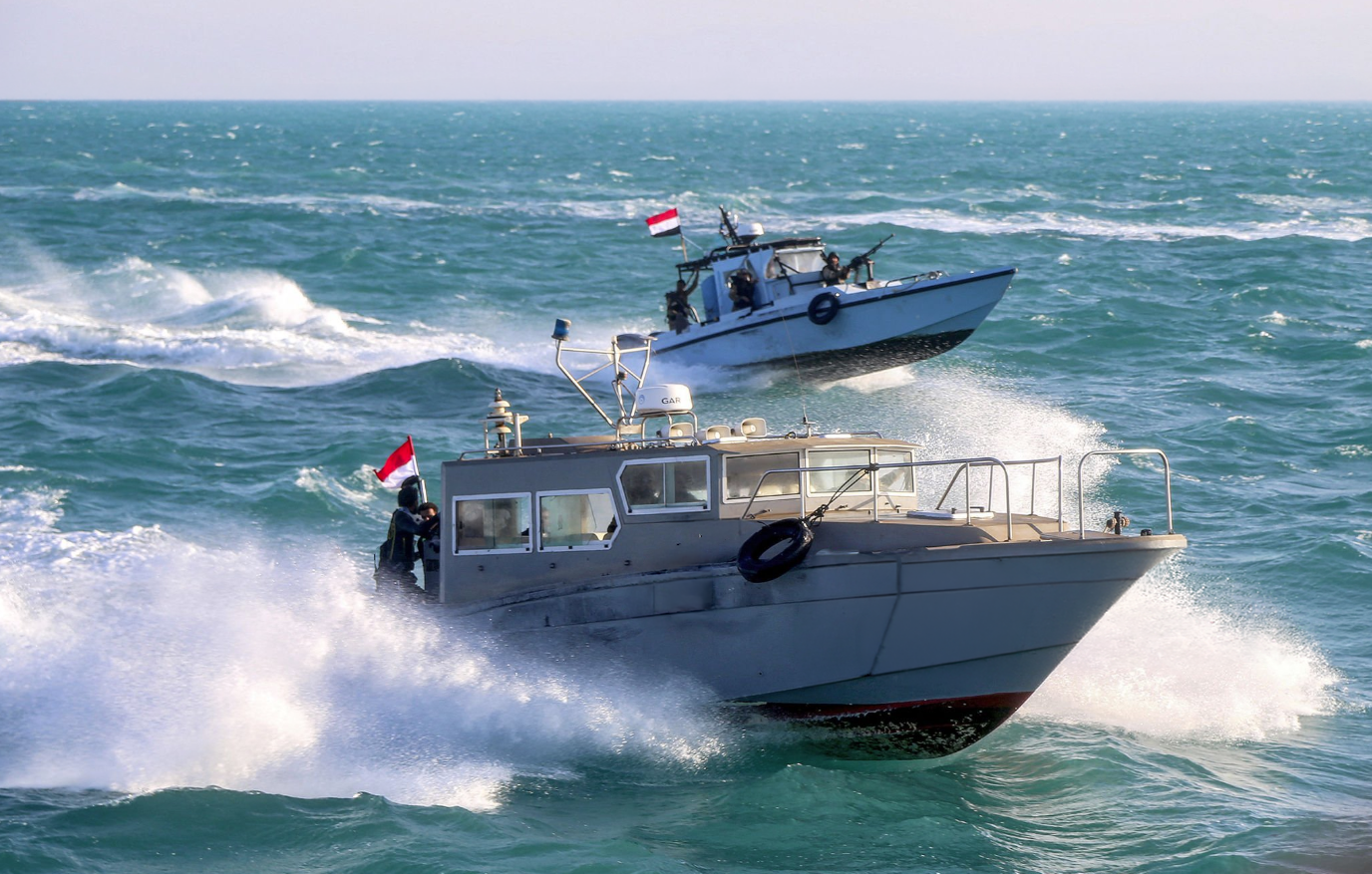
August 27, 2026On August 4, 2026, the Yemeni Coast Guard (YCG) rescued the 14-member crew of the Indian-flagged commercial vessel Faize Noore Oliya. Transiting the Red Sea…
The Iran War Is Rewriting Kuwait’s Defense Architecture
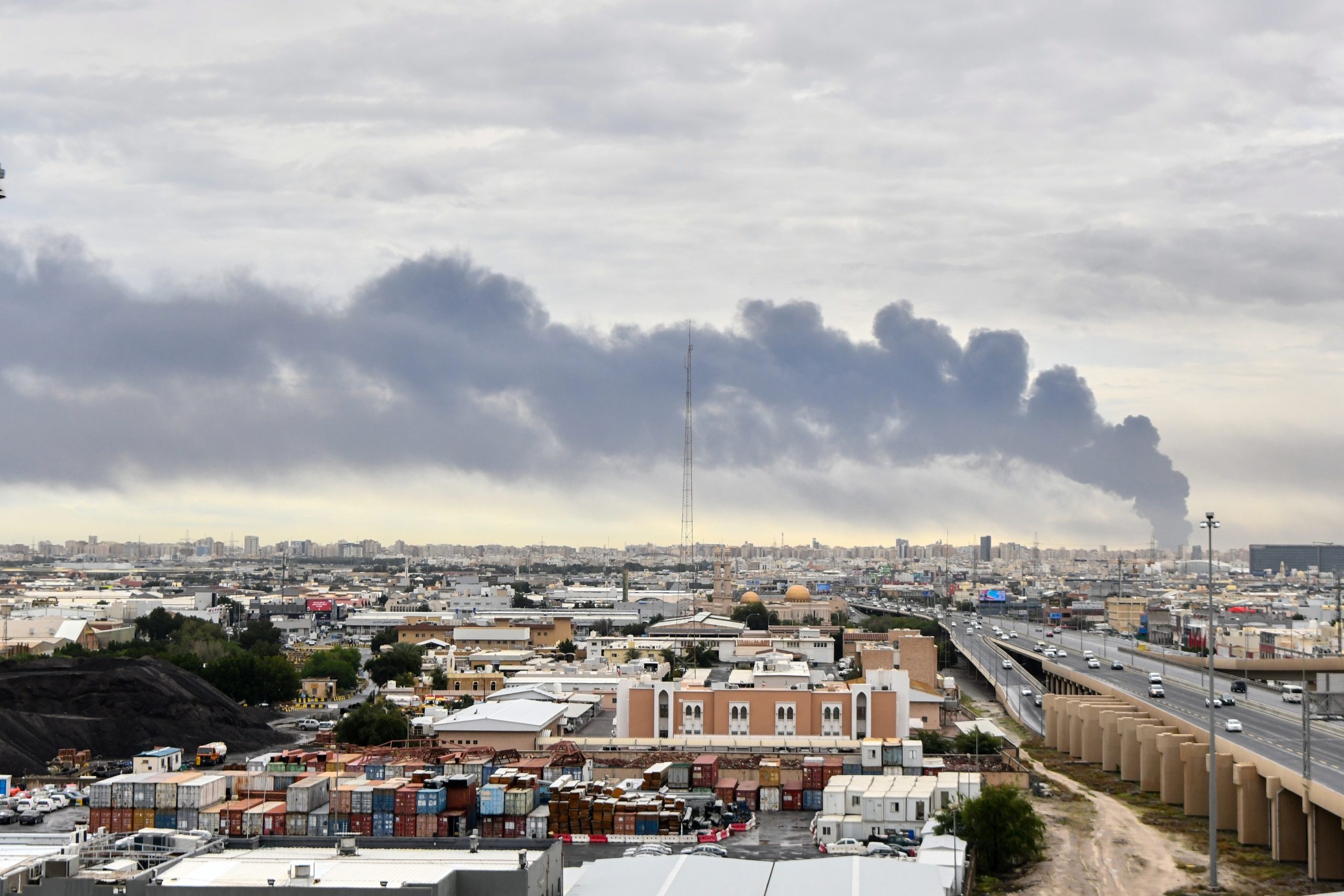
July 14, 2026Since the outbreak of the Iran war in February 2026, Kuwait has announced a series of major defense acquisitions, including a $1 billion contract for…