The 2025 Iraq Elections: What Increased Participation Conceals
Iraq’s 2025 parliamentary elections highlight the perils of a desperate and disengaged electorate.

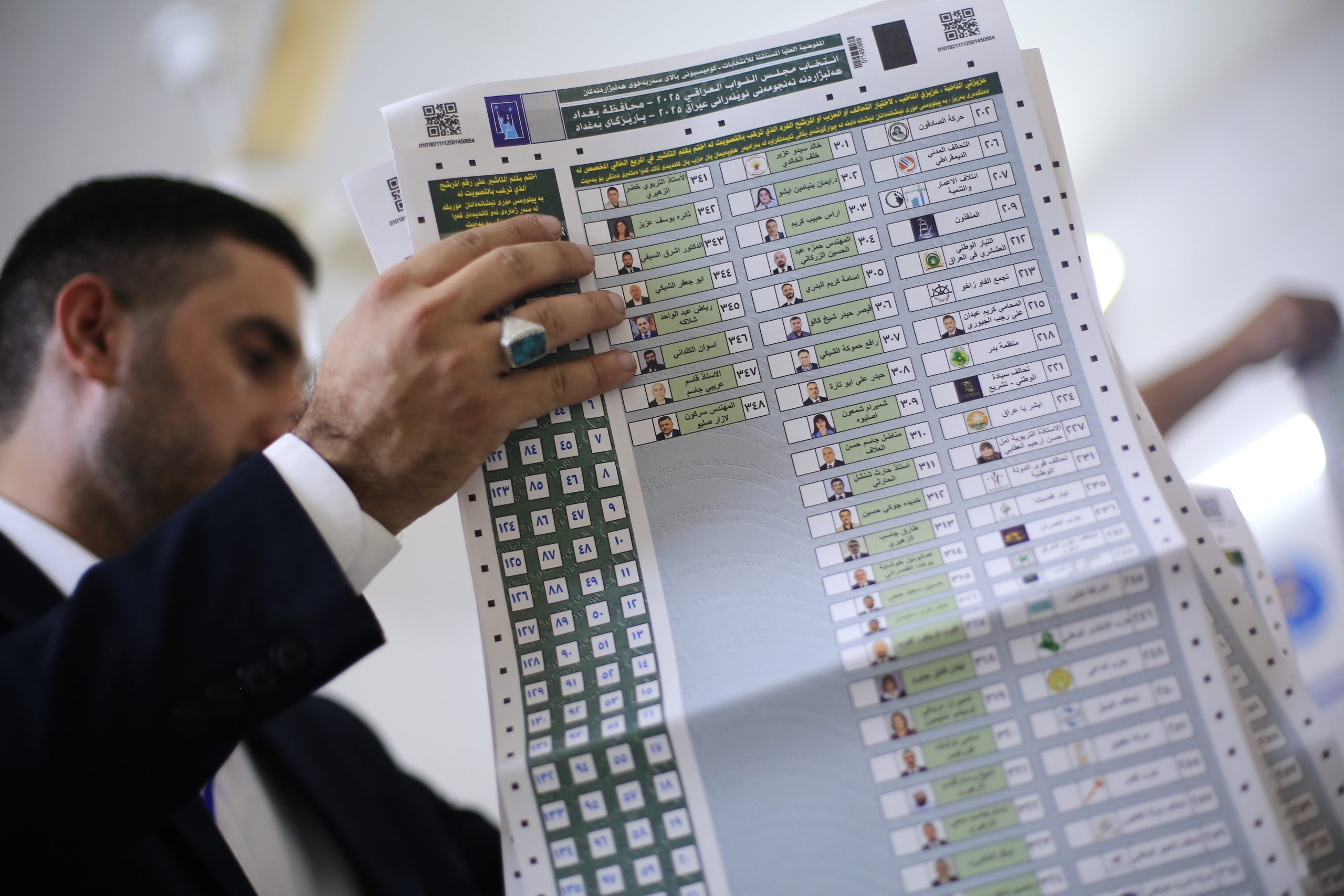
Iraq’s 2025 parliamentary elections exposed a system where participation figures no longer reflect genuine democratic engagement but the deepening influence of money, patronage, and political coercion. What appeared on the surface as a surge in voter turnout instead revealed the extent to which Iraq’s electoral process has been hollowed out by manipulation and structural disillusionment.
In 2021, the Sadrist Movement dominated Iraq’s parliamentary elections, securing 73 out of 329 parliamentary seats even as voter turnout barely reached 42 percent. Four years later, the political map has shifted dramatically. Muqtada al-Sadr urged his supporters to boycott the 2025 elections entirely, yet the Independent High Electoral Commission (IHEC) announced a turnout of 56.11 percent—a figure that, on paper, suggests something of a democratic revival. In reality, the jump in participation raises troubling questions about the election’s credibility.
Money and Power Corrupts
According to the IHEC, more than 12 million Iraqis voted out of roughly 21.4 million. But this figure is based on the Registered Voters pool which excludes citizens who are not enrolled in the national biometric system, leaving millions of eligible voters outside the official tally. When this unregistered population is included, turnout is likely closer to 40 percent, underscoring the gap between formal election statistics and genuine public engagement.
The Sadrist boycott did not suppress political activity—it merely shifted the terrain. With one of the country’s largest parties absent from the 2025 election, established political blocs and militia-linked groups expanded their patronage networks to mobilize core voters. Many parties distributed aid, promised jobs, offered financial support, and even provided limited social services in exchange for votes.
Across Baghdad and nearly every governorate, election observers and Iraqi media claimed that there was widespread vote-buying. Some of these claims described biometric cards sold for 100,000–150,000 Iraqi dinars ($75-115), while batches of votes commanded far higher sums. The Iraqi parliament’s Integrity Committee even warned that biometric voting cards in Baghdad were being purchased for as much as 500,000 dinars (about $360). For many Iraqis, especially the poor, voting is no longer an act of conviction but an opportunity to earn desperately needed cash.
The Sadrist Boycott
Al-Sadr’s decision to boycott the elections was more than a tactical retreat. It aimed to strip the Iraqi electoral system of its veneer of legitimacy and highlight the gap between formal democracy and genuine representation. In his absence, the elections resembled a race without a popular contender—an open field that allowed the dominant forces to fill the vacuum.
The trade-off is clear. The boycott intended to delegitimize the electoral process may have instead allowed the ruling elite to claim “numerical legitimacy.” Even scenes like the advisor of the Iranian ambassador’s visit to a Baghdad polling station reinforced perceptions of foreign involvement and predetermined outcomes.
Yet the official results have failed to convince either public opinion or the international community of the vote’s legitimacy—perhaps just as Al-Sadr intended. As the dust settles, Iraqis must reconsider the structure of their political system, moving away from militia dominance and clientelist control if they hope to salvage their democracy.
Legitimacy Beyond the Ballot Box
As the 2025 results showed, elections are not just about counting votes. A fair, legitimate contest requires freedom to compete and vote without the prospect of retaliation—or financial compensation. In Iraq, political power remains concentrated among armed factions and wealthy elites, leaving emerging civic movements unable to compete on equal footing.
Therefore, high official turnout does not necessarily confer legitimacy. In fragile democracies, elections can be engineered to project stability while masking structural dysfunction. Iraq’s 2025 contest fit this pattern. On paper, the electoral system produced a result, tallying millions of ballots without outright vote tampering.
Iraq’s 2025 elections underscore areas where the country’s democratic system remains under strain. High turnout masked systemic weaknesses: a state capable of mobilizing voters but unable to foster meaningful political engagement. While the Sadrist Movement used its boycott to challenge the system’s legitimacy, rival parties have leveraged inflated participation to project stability without addressing structural dysfunction. The real challenge for Iraq is not increasing voter numbers, but dismantling patronage networks, curbing militias influence, and reforming the political and electoral framework to ensure genuine representation and accountability.
The views and opinions expressed in this article are those of the authors and do not necessarily reflect the views of Gulf International Forum.
Issue: Politics & Governance
Country: Iraq

Khairuldeen Makhzoomi is a geopolitical analyst specializing in Iraqi politics, armed groups, and political economy in the Middle East. He earned a bachelor’s degree in political science and Middle Eastern languages and cultures from the University of California, Berkeley, and a master’s degree in contemporary Arab studies from Georgetown University, where he also received a certificate in diplomatic studies (G/CDS) from the Institute for the Study of Diplomacy. His work has appeared in the HuffPost, the Arab Weekly, the New Arab, and Middle East Eye. Makhzoomi is a contributor to the Washington Institute and to Al-Majalla magazine.
Why Iran Never Knows When to Stop
July 27, 2026At first glance, Iran’s negotiating difficulties appear to stem from disagreements between pragmatists seeking sanctions relief and hardliners determined to resist compromise. Yet that explanation…
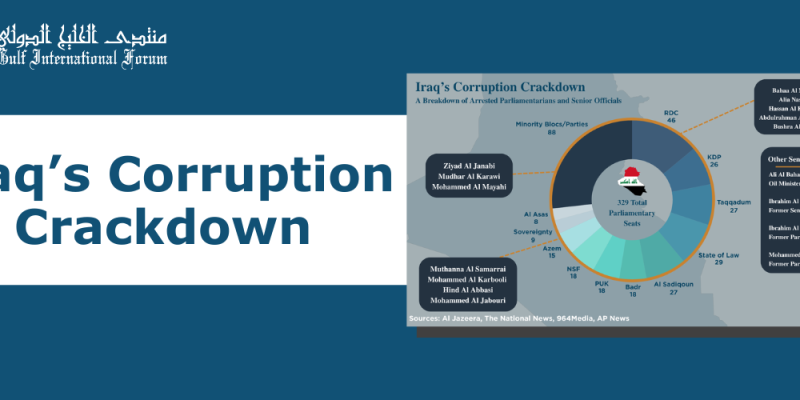
Iraq’s Corruption Crackdown
July 22, 2026*A breakdown of arrested parliamentarians and senior officials as of June 28, 2026.
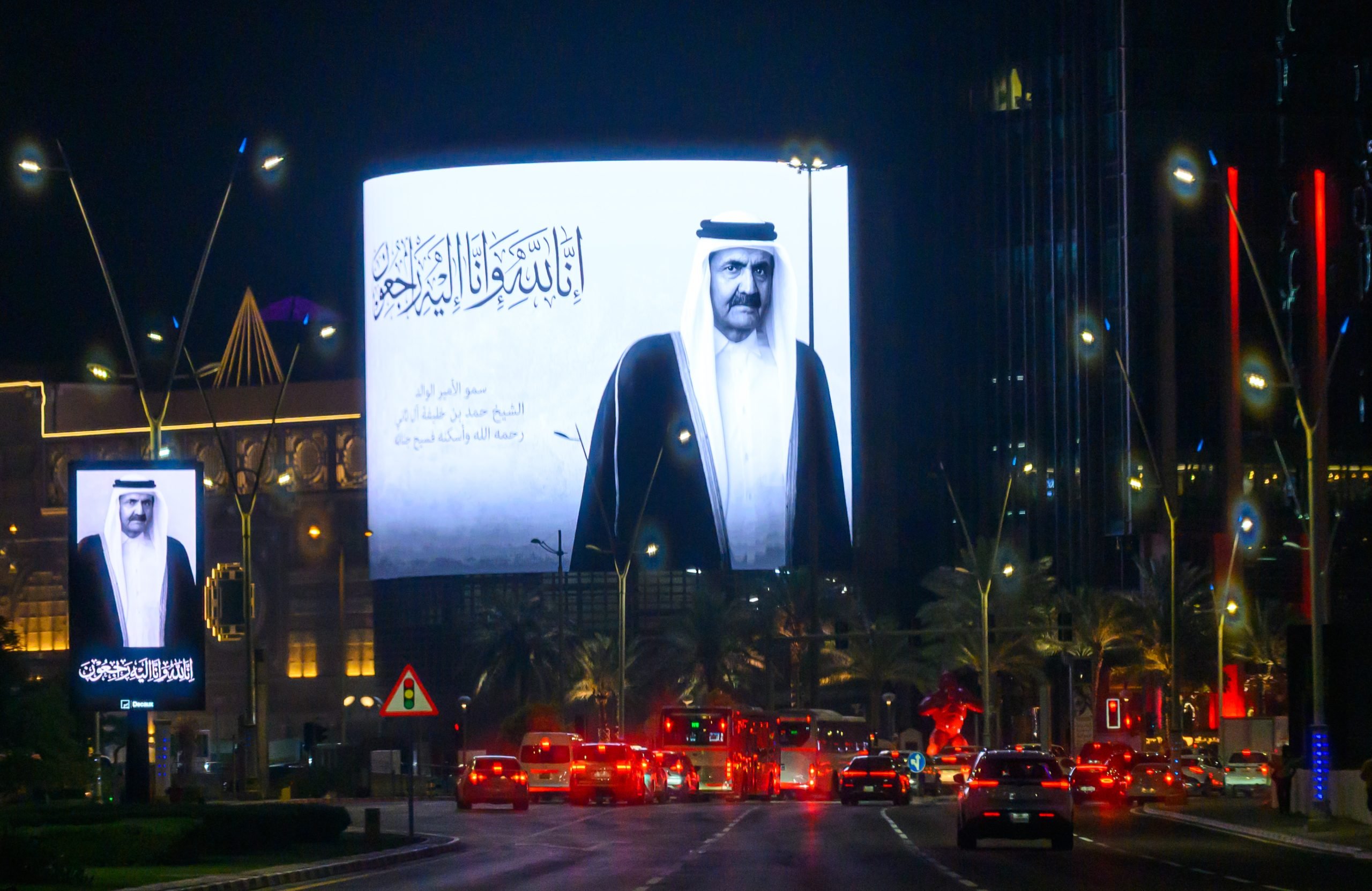
Sheikh Hamad and the Making of Modern Qatar
July 15, 2026There is a question that haunts every small state: how does a nation survive and stay relevant in a region built for giants? For most…