Washington Wants a Partner, But Iraq Still Needs a State
Al-Zaidi’s Washington visit aimed to advance economic cooperation and strengthen bilateral relations, yet Iraq’s persistent security and governance challenges continue to limit meaningful transformation.

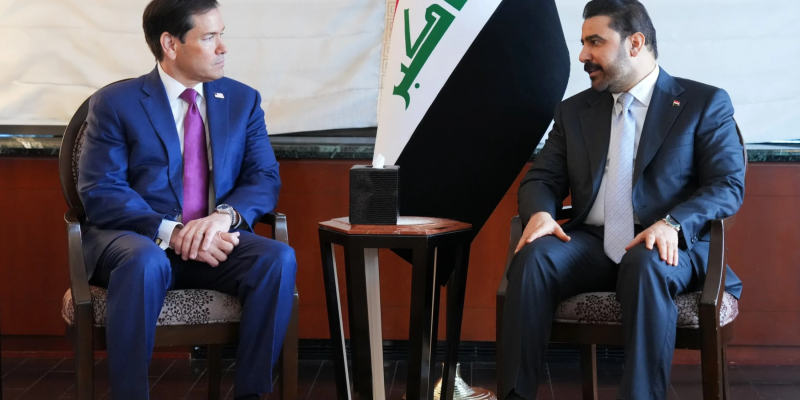
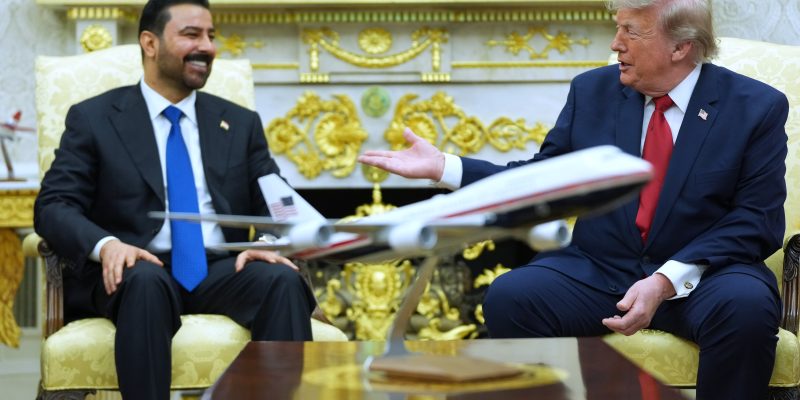
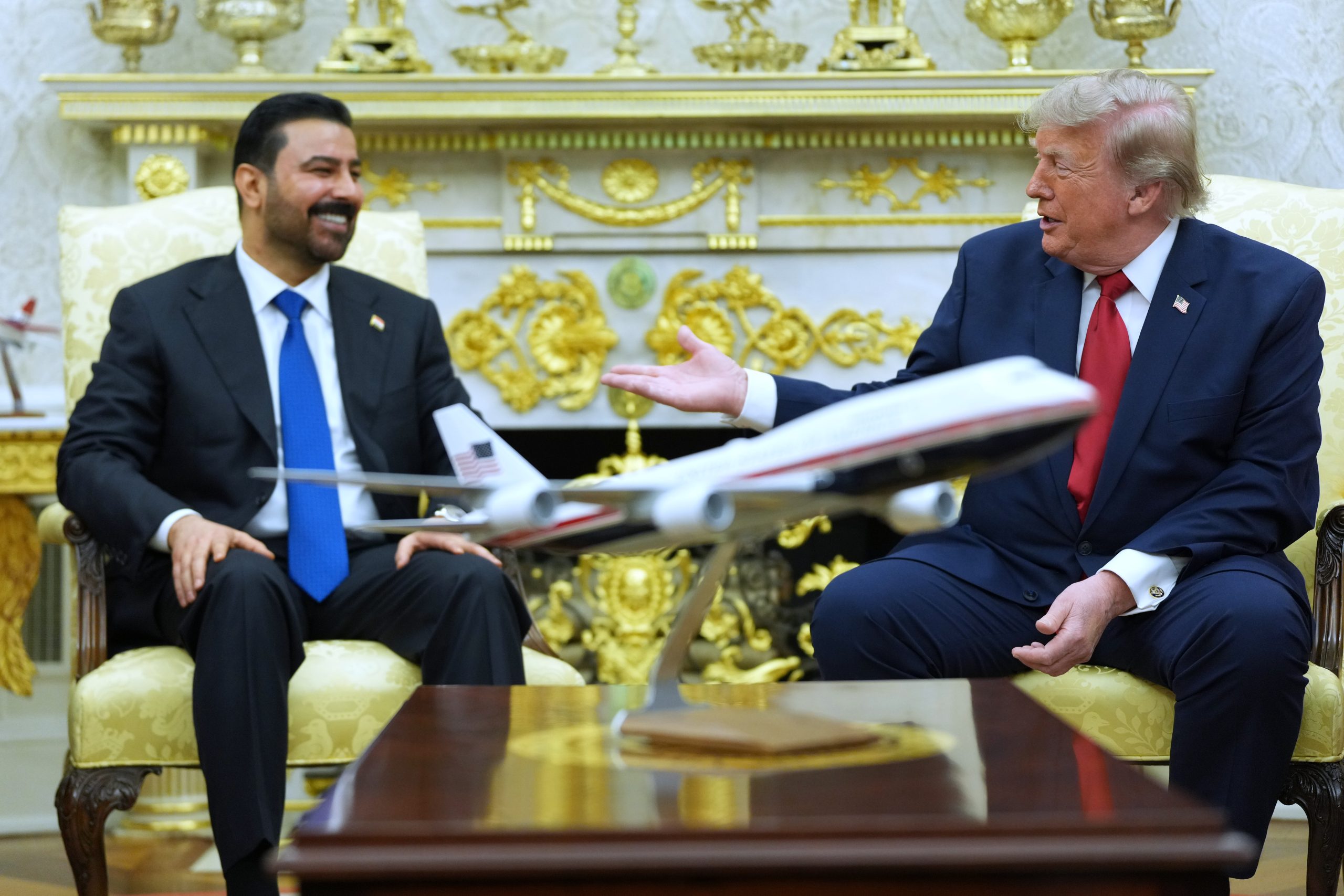
Iraqi Prime Minister Ali Al-Zaidi’s visit to Washington represents the latest attempt to strengthen U.S.–Iraq relations at a time when Baghdad is seeking greater economic investment and a more stable regional order. Ahead of the visit, Al-Zaidi outlined an agenda centered on attracting foreign investment, dissolving Iraqi militias, and strengthening the rule of law, adding that Iraq will maintain a neutral stance amid regional conflicts. During their meeting, U.S. President Donald Trump praised Al-Zaidi, saying that he was “going to be a great leader in the Middle East, beyond Iraq,” whose influence would spread throughout the region. Trump also remarked that the two had “tremendous chemistry.”
Yet beyond Trump’s usual and excessive optimism lies a more difficult reality. More than two decades after the creation of Iraq’s post-2003 political order, the country continues to struggle with entrenched militia power, systemic corruption, and significant Iranian influence in domestic affairs. Addressing these structural issues remains the prerequisite for Iraq’s rehabilitation and the foundation of a more robust U.S.–Iraq relationship.
Intransigent Defects
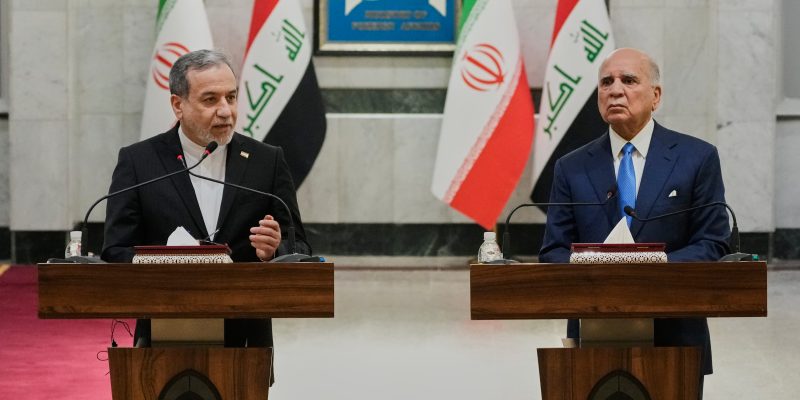
Before Iraq can attract investment by U.S. companies, Al-Zaidi must contend with the country’s deeply entrenched structural problems. The U.S.-led invasion of Iraq in 2003 heralded a new political system, but one whose fundamental weaknesses have persisted for more than two decades. The first, and arguably the most important, challenge is Iran’s extensive influence. Neither the United States nor successive Iraqi governments have been able to reduce Tehran’s interference in Iraqi affairs. While some Iraqi politicians are unwilling to challenge Iran’s influence, others have actively facilitated it. Through political alliances, economic networks, and relationships with armed groups, Tehran has built a durable presence inside Iraq that allows it to advance its regional objectives. Recent attacks on Gulf states and Jordan underscore how Iraq remains vulnerable to being used as a launching pad for Iranian-backed operations. Trump has made clear that Iraq must distance itself from Iran.
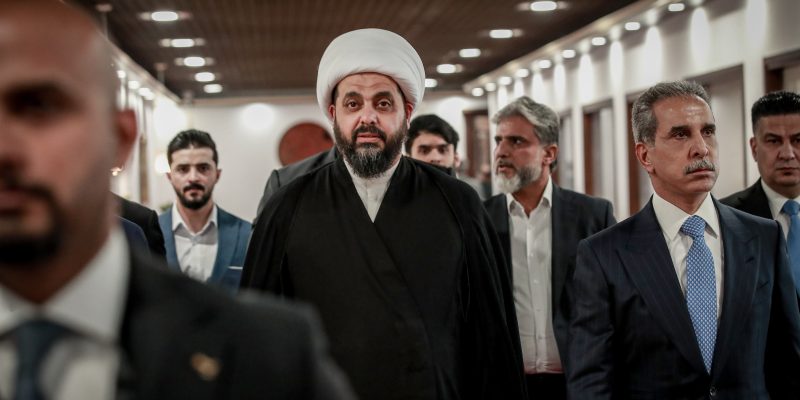
A second obstacle is the presence and continued autonomy of powerful militias. Although their size and capabilities have fluctuated over time, these groups have remained a permanent feature of Iraq’s post-2003 landscape. Wielding significant military and political influence, these groups continue to challenge the authority and legitimacy of the Iraqi government. Militias such as Kataib Hezbollah and Al-Nujaba have refused repeated calls by Al-Zaidi’s government to disarm. Even where some groups have disarmed, such declarations do little to alter the reality on the ground, as militia networks and their influence remain too deeply entrenched to meaningfully weaken their power.
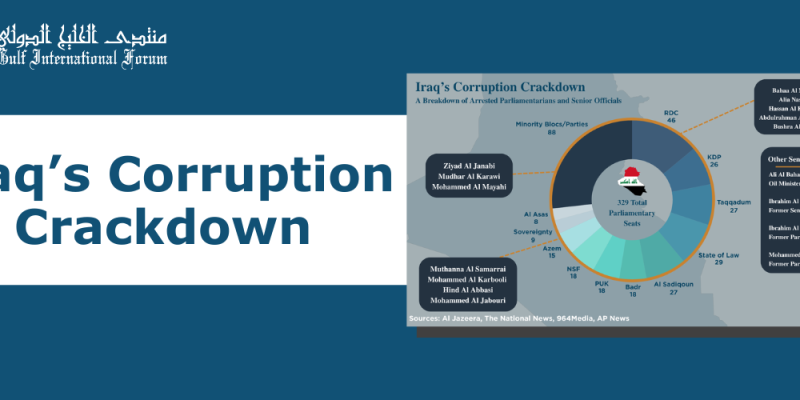
Finally, Iraq has been beset by rampant corruption that has implicated much of Baghdad’s political elite since 2003. The country consistently ranks among the world’s most corrupt states, while successive efforts to address corruption have been largely cosmetic. Iraq’s notorious “heist of the century” corruption case from 2022 illustrates the scale of the challenge: the alleged mastermind behind the theft of $2.5 billion in public funds was released from custody, escaped abroad, and was later sentenced in absentia. Such instances reinforce the reality that corruption remains deeply embedded within Iraq’s political system.
The Recurrent Campaign
For U.S.–Iraq relations to improve, Baghdad must first set its own house in order by addressing the structural challenges that have long hindered its political and economic development. Al-Zaidi has promised change and has already signaled his intention to strengthen the Iraqi state by fighting corruption and bringing unruly militias under government control. However, it is not the first time that an Iraqi prime minister has promised reforms in meetings with U.S. presidents. Before Al-Zaidi, prime ministers Adel Abdul-Mehdi, Mustafa Al-Khademi, and Mohammed Shia’ Al-Sudani made similar promises regarding the presence of militias, energy cooperation, and governance reforms. In fact, reforms in Iraq are part of the U.S.–Iraq Strategic Dialogue, yet time has proven that Iraqi promises of change are empty. The key difference in the current moment is the Trump effect.
Trump’s unpredictability has heightened concerns among the Iraqi political class, compelling them to weather the storm of the current administration’s pressure campaign. The Trump administration’s decision to restrict the flow of U.S. dollars into Iraq for nearly three months demonstrated its willingness to employ economic leverage, with significant consequences for Iraq’s economy. Against this backdrop, Al-Zaidi’s rhetoric has not deviated from the talking points of previous governments and it is unlikely to fundamentally change the existing political trajectory. Iraqi politicians appear to be biding their time until the Trump administration leaves office, while simultaneously recognizing that Trump’s immediate focus is investment and economic cooperation rather than the longer-term task of building durable security institutions and implementing structural reforms.
Unrealistic Expectations
Al-Zaidi’s visit to Washington is unlikely to yield a tangible change, let alone a strategic shift in U.S.–Iraq relations. Any long-term American strategy toward Iraq must be grounded in a realistic assessment of the country’s strategic environment. As long as Iraq remains an arena for U.S.–Iran competition and armed groups retain the capacity to threaten both the Iraqi state and foreign interests, expectations of a transformative economic partnership are likely to exceed what current conditions can support.
For American policymakers, this means recognizing that security and governance are prerequisites, not byproducts, of sustained investment. Over the past two decades, Tehran has built deeply entrenched networks through political alliances, money laundering, oil smuggling, and affiliated armed groups, creating dependencies that extend beyond Shi’a militias to include Kurdish and Sunni political and business elites. Any foreign investment in Iraq will therefore continue to face significant risks as long as Iran maintains this influence inside the country.
Dismantling these networks will require far more than a change in government or a successful visit to Washington. Until Iraq can provide a more predictable security environment and strengthen the state’s monopoly over the use of force, U.S. commercial engagement will remain constrained, and Al-Zaidi’s ambitions to attract foreign investment and improve Iraq’s economy will remain a chimera.
The views and opinions expressed in this article are those of the authors and do not necessarily reflect the views of Gulf International Forum.
Issue: U.S. – Gulf Policy
Country: Iraq

Dr. Massaab Al-Aloosy is a researcher focusing on Iraq, Iran, and Shia non-state armed groups. He holds a PhD from the Fletcher School-Tufts University and is the author of The Changing Ideology of Hezbollah, Palgrave 2020.

Saudi Arabia’s F-35 Deal Is Taking Shape
October 16, 2026Less than a year after U.S. President Donald Trump publicly backed the sale of F-35 fighter jets to Saudi Arabia, the kingdom’s long-running effort to…

Trump’s War on Iran Runs Through Baghdad
October 8, 2026Seven months into the war with Iran, the Strait of Hormuz remains a major point of contention. Goldman Sachs estimates that Gulf oil flows have…

Toward a New Order in MENA Regional Geopolitics
September 2, 2026This report is a byproduct of the workshop “Toward a New Order in MENA Regional Geopolitics: What’s Next for the Region’s Geopolitical Equilibrium?,” hosted in…