The Missing CVO Function in the Gulf: Visionary Leadership for Sustainable Development
Amid an international environment in flux, the Gulf should embrace the long view to advance its marquee national economic initiatives.

In the rapidly evolving landscape of the Gulf, governments are missing a critical leadership function: that of the Chief Visionary Officer (CVO). As regional states strive to meet ambitious development goals while navigating complex challenges, the absence of visionary leadership at the highest levels of government is increasingly evident. The introduction of the CVO function would catalyze sustainable development, ensuring that Gulf states move from mere aspirations to actionable, long-term success.
Across new, growing, or established organizations, setting a clear vision is vital to marshal people and resources in a way that achieves long-term goals. To this end, the CVO plays a critical role because of the position’s focus on long-term goals and innovation. Its purpose is multifaceted and comprehensive; at its core, the CVO function articulates a clear and inspiring vision for the future, aligning the organization’s means with its mission and values. The CVO leads efforts to identify and explore new opportunities, technologies, and market trends that can help the organization stay ahead of the competition, thereby driving innovation. The function also encourages a culture of creativity, promoting collaboration and idea generation. Working closely with both executives and working-level teams, the CVO guides strategic planning across the organization to support adherence to a long-term vision. Additionally, the CVO may engage with external stakeholders, such as citizens, international partners, and investors, to gather insights and feedback that inform the organization’s vision and strategy. Through these varied responsibilities, the CVO envisages new possibilities and ensures that the organization remains adaptable and forward-thinking, steering it toward its future goals.
CVOs in the Gulf
Within the complex economic and political landscape of the Gulf, the CVO function takes on a particularly challenging, but potentially decisive role in the policymaking sphere. This visionary leadership function must encompass comprehensive governance and decision-making authorities while navigating the intricate interplay between economic development, social progress, and environmental sustainability—the three pillars of sustainable development. The task of the CVO is further complicated by the fact that they, like the governments they serve, operate within a region characterized by significant geopolitical uncertainty.
CVOs embedded in Gulf governments must possess a unique set of skills and insightful perspectives to succeed. They must have a deep understanding of governance structures, policy-making processes, and the specific cultural, historical, and social contexts of their respective countries and of the broader region. This expertise enables the CVO to craft policies and strategies that are both ambitious, effective, and culturally appropriate. Equally crucial to CVO success is the ability to think long-term while driving immediate change—balancing distant aspirations with pragmatic policies that work in the here and now. As the saying goes, “Vision without execution is hallucination,” and Middle Eastern CVOs are responsible for ensuring that the National Visions of the richest Gulf states amount to more than words on paper.
Of course, the CVO function extends beyond merely dutifully fulfilling national development plans. CVOs must engage in agile observation of these development strategies, continuously assessing their relevance and effectiveness in light of rapidly changing geopolitical landscapes, technological breakthroughs, and global economic shifts. This ongoing evaluation process is crucial to ensure that development plans remain responsive and adaptable to emerging realities. For instance, a geopolitical shift might open new commercial opportunities or collaborations that weren’t previously considered feasible. Technological breakthroughs, such as advancements in renewable energy, water desalination, or artificial intelligence, could dramatically alter the feasibility and priority of certain development goals. For instance, the International Renewable Energy Agency (IRENA) reports that the cost of solar panels has fallen by 82 percent since 2010, reshaping the renewable energy strategies of the Gulf states across the region. The CVO function must be prepared to identify key developments and pivot strategies swiftly when such changes occur. This way, development plans can evolve alongside the dynamic regional and global context.
The CVO function in the Gulf must also be acutely aware of the impact of regional uncertainty and instability. The region’s development continues to be hindered by long-standing conflicts, shifting alliances, external interventions, and intense competition for resources. Without warning, these factors can drastically alter the political and economic assumptions under which sustainable development initiatives operate. To navigate these complex dynamics, CVOs should employ a multifaceted approach that considers all of the factors that influence development. They must engage in scenario planning and develop multiple strategies that account for geopolitical contingencies. Perhaps most importantly, they must be able to quickly adapt to changing circumstances.
A Truly Regional Approach
A regional council embodying the functions of the CVO could play a transformative role in the Middle East. Building regional cooperation is crucial to addressing shared threats, as many challenges, such as water scarcity and other adverse effects of climate change, require collaborative solutions that transcend national borders. Such a council could develop shared strategies for managing critical issues such as water resources, advancing renewable energy transition, climate change adaptation, and economic diversification. By pooling resources, sharing best practices, and creating synergies, the Gulf countries could leverage their collective strengths, mitigate shared risks, and create a more stable and prosperous region.
The current framework is not sufficient. The Gulf states must move beyond the existing forums wherein cabinet members, company executives, or political advisors meet. A regional CVO- like body would be designed for true visionaries who possess a deep understanding of the multifaceted dimensions of the development goals they aim to achieve. These leaders not only comprehend the challenges their governments face, but also recognize the importance of international collaboration. By working together, maintaining their collective competitive edge, and advancing their legitimate interests, the Gulf states could overcome institutional barriers to progress.
Balancing Grand Visions with Sustainable Realities
The Gulf has seen its share of ambitious projects that exemplify grand visions but also highlight the challenges of implementation. A prime example is Masdar City in the United Arab Emirates. Initiated in 2006, Masdar City was envisioned as the world’s first zero-carbon urban area—a showcase of sustainable urban development. However, the project has run into significant challenges, failing to meet its initial ambitious goals. The global financial crisis, technological limitations, and overly optimistic projections all contributed to the project falling short of its original vision.
Despite these setbacks, valuable lessons have been learned from the Masdar City experience. The project has since been revised and reimagined, focusing on more achievable goals and a more flexible approach to sustainability. The Masdar City experiment demonstrates the importance of the CVO function in not only crafting ambitious visions, but also in adapting those visions to changing realities and best practices.
Similarly, Saudi Arabia’s NEOM project, initially announced as a $500 billion futuristic city, has been pared back in recent years—a recognition of the need to balance ambitious plans with practical considerations. The project’s evolution showcases the importance of agile strategic planning and the ability to adjust course when faced with economic, technological, or logistical challenges.
These examples underscore the critical role of the CVO function in ensuring that grand visions are tempered by practical considerations and aligned with broader sustainable development goals. This includes addressing issues like water scarcity, biodiversity preservation, and social equity, as well as the viability of innovative urban development and renewable energy initiatives.
The experiences of ambitious projects like Masdar City and NEOM in the Gulf region underscore the critical need for visionary leadership that balances grand aspirations with practical realities. A Chief Visionary Officer (CVO) or team could play a pivotal role in addressing this need by fostering a culture of adaptability, long-term thinking, and holistic sustainability. Crucially, they could serve as a counterbalance to the temptation of launching overly ambitious projects that may generate initial marketing buzz but ultimately prove unrealistic. By advocating for careful, phased approaches rather than rushing into headline-grabbing but potentially unfeasible initiatives, a CVO could help prevent reputation damage and investment-related risk concerns that often arise when projects need to be significantly scaled-down post-launch. Through implementing agile strategic planning processes, engaging in comprehensive scenario planning, and promoting cross-sector collaboration, a CVO function could help governments navigate the complex landscape of large-scale development initiatives.
Implementing the CVO function in navigating the complex dynamics of the Middle East is undoubtedly challenging. It requires a continual balance between idealism and realism, ambition with pragmatism. While geopolitical uncertainty may make long-term sustainable transformative development appear daunting, it is precisely this uncertainty that makes the visionary function crucial.
By embracing a comprehensive and nuanced approach to leadership, the CVO function will play a pivotal role in shaping a more sustainable, equitable, and prosperous future for the Gulf. The transition to genuine visionary leadership represents a fundamental shift in how governments approach the future. Embracing the CVO will enable Gulf states to move away from short-term thinking and siloed approaches, embracing instead holistic, long-term strategies for sustainable development. Only through such visionary guidance can the Middle East hope to transform its vast potential into a reality that ensures a sustainable, equitable, and thriving future for generations to come.
The views and opinions expressed in this article are those of the authors and do not necessarily reflect the views of Gulf International Forum.
Issue: Politics & Governance
Country: GCC

Dr. Hamid Pouran is a Senior Lecturer in Environmental Technology at the University of Wolverhampton. Dr. Pouran’s research and professional experiences and interests span from highly technical studies focusing on the behaviour of engineered nanomaterials in the environment to collaborative innovation, renewable energies, climate change and science policy. He is a Chartered Scientist, Chartered Environmental, senior member of IEEE and chair of IEEE UK Climate Change and Environmental Technology Special Interest Group. He was a member of Transatlantic Initiative for Nanotechnology and the Environment (2011-2014) at Lancaster University (UK) where he developed the first commercially available technique to measure the bioavailable concentration of metal oxide nanoparticles in the environment (known as Nano-DGT). Since 2015 Pouran has been guest editor of Middle East in London Magazine (SOAS, University of London), environment special issues. He was the convener of the MENA Environment Conference in 2016 (SOAS Centenary Conference), which for the first time brought together scientists and policymakers from multidisciplinary backgrounds. Pouran is a subject matter expert (environmental science) for BBC World and Scottish Centre for International and Strategic Affairs. He was scientific consultant for a BBC World News scientific documentary called “Dust Storms”, which was transmitted in three languages by BBC World News and BBC Four in 2017. Pouran was visiting scholar with Princeton Environmental Institute and Center for Iran and Persian Gulf Studies at Princeton University in 2017. After his 2nd MSc (Licentiate Thesis) at Stockholm University, Pouran received a Ph.D. scholarship from the faculty of engineering, University of Sheffield (UK) to join a multidisciplinary research about bioremediation of contaminated aquifers at Kroto Research Institute (2005). He is currently a Research Associate at SOAS University of London and Lecturer in Environmental Technology at University of Wolverhampton.
Why Iran Never Knows When to Stop
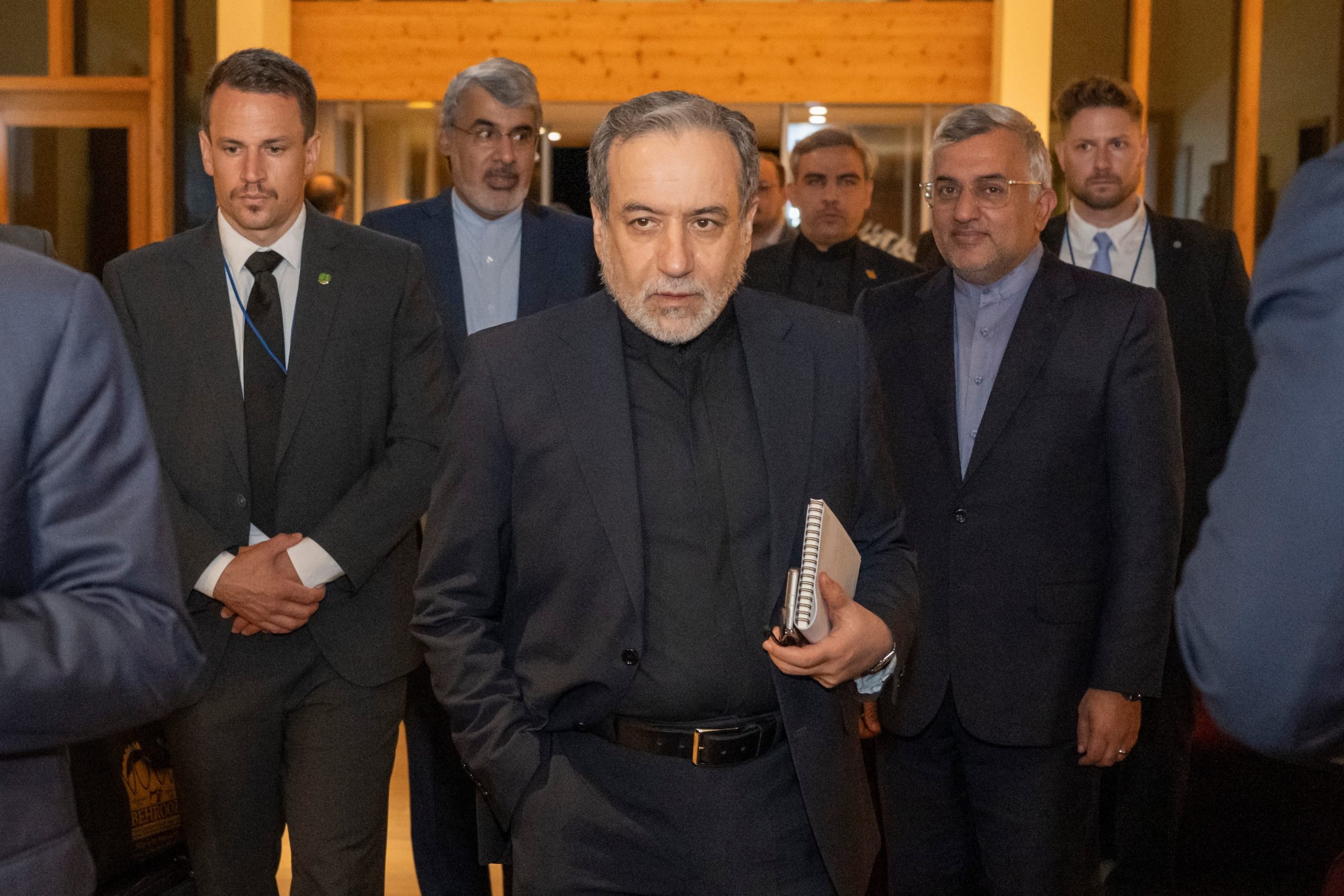
July 27, 2026At first glance, Iran’s negotiating difficulties appear to stem from disagreements between pragmatists seeking sanctions relief and hardliners determined to resist compromise. Yet that explanation…
Iraq’s Corruption Crackdown
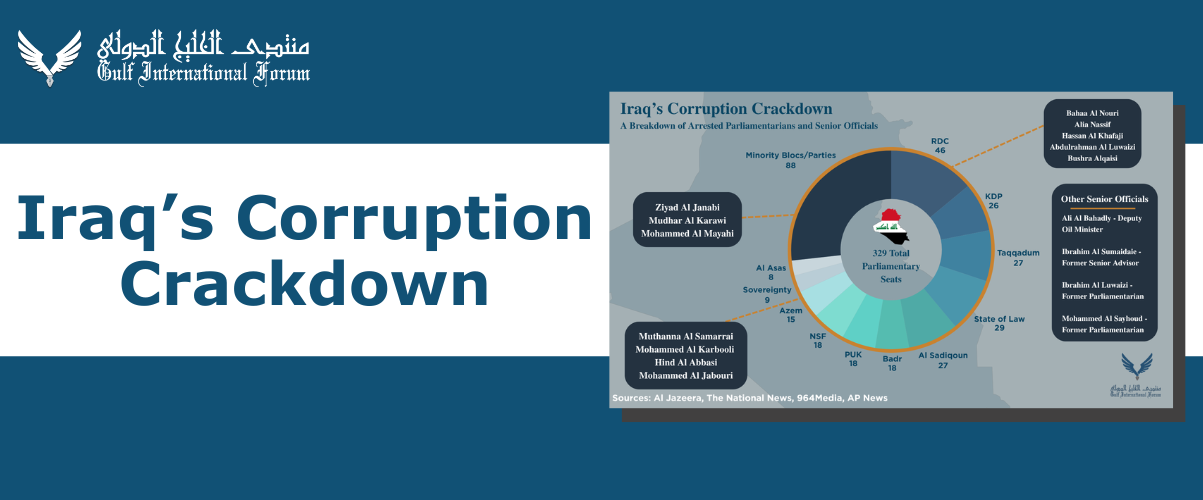
July 22, 2026*A breakdown of arrested parliamentarians and senior officials as of June 28, 2026.
Sheikh Hamad and the Making of Modern Qatar
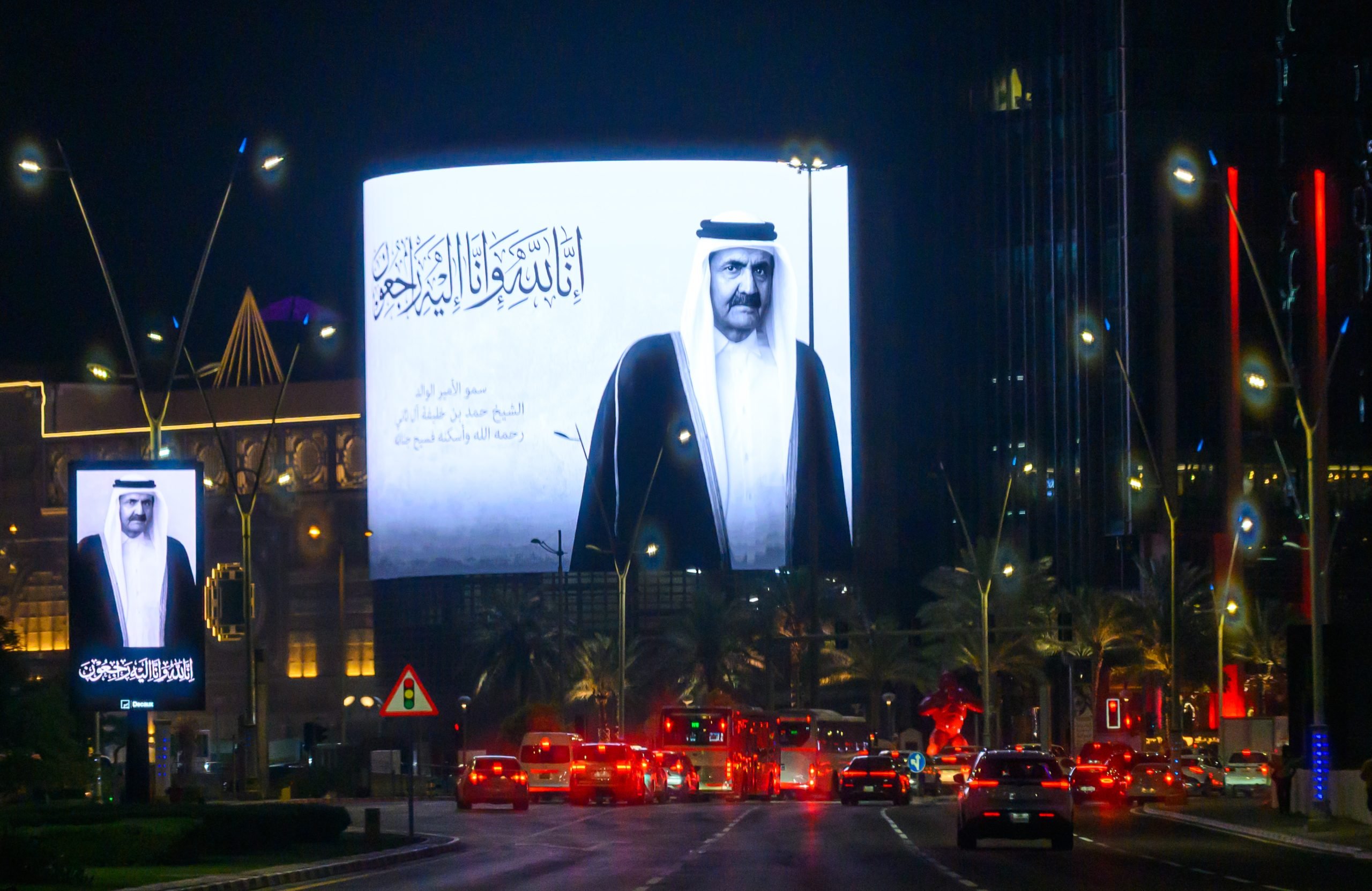
July 15, 2026There is a question that haunts every small state: how does a nation survive and stay relevant in a region built for giants? For most…