The GCC States Must Turn Down the Temperature in the Middle East
The GCC’s strategic diplomacy can reshape Middle East dynamics, balancing regional power and fostering peace amid escalating tensions between Iran and Israel under a new U.S. administration.

The GCC states have a unique opportunity to mediate between Iran and Israel, leveraging their strategic neutrality, diplomatic ties, and economic influence to prevent escalation and foster regional stability under President Trump’s term. For decades, most analysts have focused on the Shiite-Sunni/Persian-Arab rift as the root cause of instability in the Middle East. Like in other religions, disagreements between Islam’s two main sects are a potential source of conflict. In the same vein, Arabs and Persians have lived side by side for thousands of years and have vacillated between cooperation and competition. However, the last several years suggest that the main rift dividing the region runs between Iran and Israel, two of the Middle East’s most powerful states. Since the 1979 revolution, Tehran and Tel Aviv have been engaged in a shadow war that has witnessed assassinations, cyber operations, and proxy confrontations. To preserve their freedom of action and protect their own interests, the GCC states have striven to maintain a level of neutrality between the two rivals. Then came October 7, 2023.
Strategic Lessons Learned
It will take some time to fully understand the strategic impact of the wars in Gaza and Lebanon and the direct confrontations between Iran and Israel on the regional balance of power. Still, preliminary assessments suggest first and foremost that the decades-long deterrence between Iran and Israel has been shattered. The so-called “Axis of Resistance,” of which Hezbollah was the most capable member, formed a major part of Iran’s forward defense strategy. Since October 2023, Israel has dealt a heavy blow to Hamas and Hezbollah, attacked militias in Syria, Iraq and Yemen and struck targets inside Iran. Apart from the initial damage it suffered on October 7, Tel Aviv has not suffered significant damage in retaliation. As a result, Israel has emerged as the dominant and increasingly undeterred military power in the Middle East.
Second, despite (or, perhaps, because of) this sense of military and intelligence ascendancy, Israel is increasingly isolated diplomatically. In November, the International Criminal Court issued arrest warrants for Prime Minister Benjamin Netanyahu and former Defense Minister Yoav Gallant. This is a huge blow to Israel’s public image.
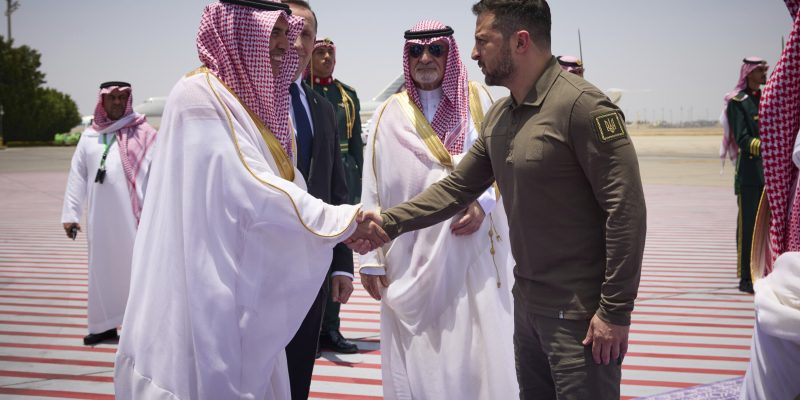
Third, there are growing signs of a thaw in Iran-Arab relations. Tehran has always enjoyed warm relations with Doha and Muscat, but Iranian interactions have expanded to include other Arab states. In the last few months, senior Iranian officials exchanged visits with their counterparts in Egypt, Jordan, Bahrain, and other Arab countries. At the Arab-Islamic Summit in Jeddah in November, Saudi Crown Prince Mohammed bin Salman demanded Israel to respect Iran’s sovereignty and refrain from attacking its territory.
Fourth, the Palestinian issue has reclaimed its centrality at the heart of regional foreign policy. The Abraham Accords, which saw the United Arab Emirates and Bahrain recognize Israeli sovereignty, and the Egyptian and Jordanian peace treaties with Israel have failed to advance a two-state solution. The Arab Peace Initiative (introduced by then-Saudi Crown Prince Abdullah bin Abd al Azziz Al Saud in 2002) conditioned Arab-Israeli normalization on the establishment of a Palestinian state with East Jerusalem as its capital. Since then, the expansion of Israeli settlements throughout the West Bank has undermined the viability of a two-state solution. Prime Minister Netanyahu preferred to establish peace with Arab countries to force the Palestinians to abandon their demand for a sovereign state—rather than seeking peace with the Palestinians to incentivize Arabs to normalize relations with Tel Aviv. The prime minister’s formula has failed dramatically. True, the UAE and Bahrain have not withdrawn from the Abraham Accords, but almost all Arab leaders have reaffirmed their commitment to a two-state solution and the need to establish a Palestinian state after the war in Gaza ends.
Fifth, the United States has remained a major security partner to several Arab countries although the Biden administration’s “ironclad” support to Israel has significantly tarnished Washington’s image and reputation in both the Arab and Islamic worlds, as well as in the broader global south. Tens of thousands of Palestinians and Lebanese had been killed by American-supplied weapons, and Washington has vetoed several United Nations Security Council resolutions that call on Israel to stop the war. Russia and China are likely pleased to see the United States bogged down in the Middle East and increasingly distracted from Moscow’s war in Ukraine and Beijing’s machinations in the Indo-Pacific. Several news organizations have recently reported that the United States was running low on some types of air-defense missiles due to high demand by Israel, Ukraine and growing U.S. requirements. Meanwhile, both Russia and China have taken steps to distance themselves from Israel and support a diplomatic settlement to the Arab-Israeli conflict. Within this context, there have been few, if any, Houthi attacks on Chinese and Russian ships crossing the Bab el-Mandeb and the Red Sea, while the group’s attacks against merchant shipping and U.S. vessels continue.
The GCC States Can Influence A Change
President Trump will take office in January 2025, facing a region that looks significantly different from the one he left in 2021. Several of his nominees—like Marco Rubio for Secretary of State, Elise Stefanik for Ambassador to UN, Michael Waltz for National Security Advisor and Mike Huckabee for Ambassador to Israel—are strong supporters of Israel and hawks on Iran. This does not necessarily mean Washington will dictate policy in the Middle East. Rather, U.S.-GCC relations in the coming four years are more certain to be transactional; progress will likely follow where interests intersect. Political stability and economic prosperity will serve both Washington and Gulf capitals (not to mention the rest of the world). To lay the ground for a more stable and prosperous future, GCC leaders should pursue two parallel courses of action.
First the GCC states (and other Arab countries) should work with the new administration in Washington to support the creation of a Palestinian state in Gaza and the West Bank. Probably more importantly, Arab countries that established diplomatic relations with Israel, mainly the UAE and Bahrain, need to get the Israeli government and people to accept a two-state solution. Thus far, Israeli leaders have failed to articulate a vision and a strategy of governing Gaza after fighting stops. Recent polls in Israel show that the majority of Israelis support the wars in Gaza and Lebanon and oppose the establishment of a Palestinian state. Members of Arab civil society, universities, and think tanks should engage in a dialogue with their Israeli counterparts to build a consensus on the need to accept each other’s right to exist and live in peace.
Second, tensions between Washington and Tehran are certain to further destabilize the entire Middle East, and the GCC should lobby the United States to avoid an escalatory spiral. In the last few weeks, news organizations reported that Elon Musk, a close confidant of President-elect Trump, met with Amir Saeid Iravani, Iran’s Ambassador to the United Nations. Tehran denied these reports. However, Iranian senior officials seem to have left the door open for negotiation with the Trump administration. Interest in a diplomatic solution is well founded, as a return to the “maximum pressure” campaign of the first Trump administration would isolate Iran and fuel regional tension. GCC states should use their leverage in both Washington and Tehran to address the nuclear issue, Iran’s regional policy, and bridge the gap between the U.S. and Iran.
The last several years have seen the GCC states make significant progress in advancing their ambitious economic and social development plans. Recognizing that global demand for oil is declining, they have taken bold steps to encourage foreign investment, support the private sector, enhance gender equality, and address climate change. An all-out war between Iran and Israel is unlikely given that they do not share borders and lack the capability to deploy and sustain ground forces in each other’s territory. But tit-for-tat attacks can sometimes lead to dangerous escalation with uncertain consequences. An uncontrolled or miscalculated response that sparks a regional war would deal a heavy blow to the GCC states’ socio-economic development plans. Arabs, Jews, Persians, Turks, and other minorities have lived side-by-side in the Middle East for millennia. This long history should guide them to articulate a more promising future to all peoples in the Middle East. The GCC states, which find themselves trapped between two powers on the verge of devastating conflict, must take the lead in giving birth to such a future.
The views and opinions expressed in this article are those of the authors and do not necessarily reflect the views of Gulf International Forum.
Issue: Defense & Security, Geopolitics
Country: GCC

Dr. Gawdat Bahgat is a Non-Resident Senior Fellow at Gulf International Forum and a Professor at the Near East South Asia Center for Strategic Studies at the National Defense University. He is the author of 11 books on the Middle East. His areas of expertise include energy security, proliferation of weapons of mass destruction, Iran and American foreign policy.
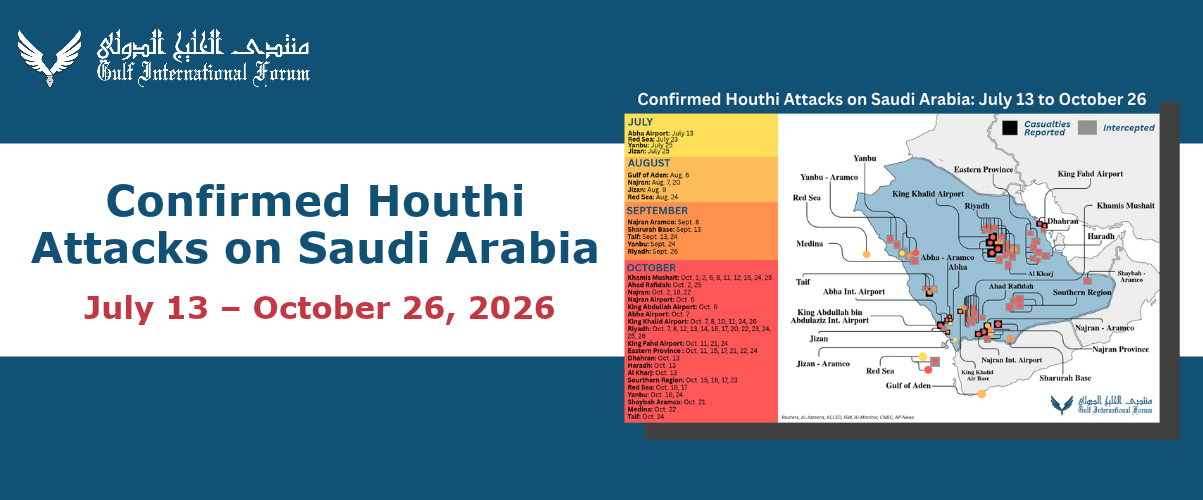
Confirmed Houthi Attacks on Saudi Arabia: July 13 to October 26
October 28, 2026
Toward a New Order in MENA Regional Geopolitics
September 2, 2026This report is a byproduct of the workshop “Toward a New Order in MENA Regional Geopolitics: What’s Next for the Region’s Geopolitical Equilibrium?,” hosted in…
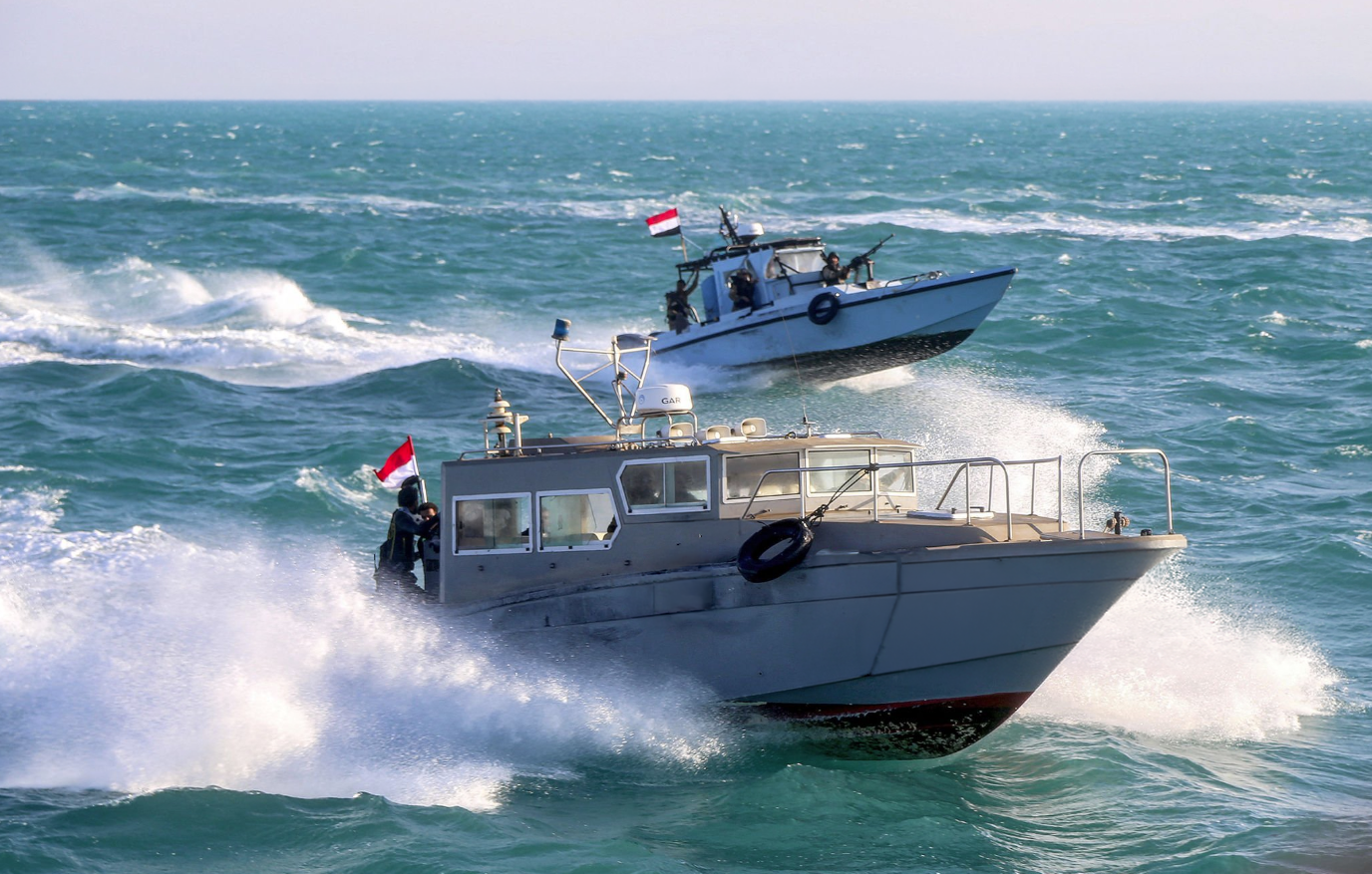
Yemen’s Emerging Role in the Red Sea
August 27, 2026On August 4, 2026, the Yemeni Coast Guard (YCG) rescued the 14-member crew of the Indian-flagged commercial vessel Faize Noore Oliya. Transiting the Red Sea…