Gulf States’ Opportunities in Kazakhstan’s Emerging Economy and the Middle Corridor
As the world’s great powers and the GCC states cast their attention toward the region, the nations of Central Asia could play a major role in facilitating trade between Europe and China.

When U.S. President Joe Biden and Chinese President Xi Jinping met in San Francisco to patch up Sino-American relations, they focused on the issues they could readily address. The discussions between arguably the world’s two most powerful men were characterized as “blunt,” but they yielded useful deals on curbing Chinese fentanyl precursor exports and enhancing military communications. What was left unresolved was the same set of core strategic disagreements that prompted the talks in the first place—competition over semiconductor development and the status of Taiwan. Also unsettled was the competition between the United States and China in the heart of Eurasia. As the Gulf countries are among the top investors in Central Asia, the growing tensions between Washington and Beijing affect them and their interests in this strategic region.
Great Power Competition Begets Central Asia’s Renaissance
The five Central Asian Republics: Kazakhstan, Kyrgyzstan, Tajikistan, Turkmenistan, and Uzbekistan—or the C5—have a combined population of 80 million. They are richly endowed with vital energy commodities, both hydrocarbons and the rare earth elements (REEs) that are vital for the world’s green energy transformation. These abundances have given the C5 nations a key role to play in 21st century energy development, and all major international powers have sought to strengthen their bilateral and multilateral ties with the region to be better positioned for the future.
While both Washington and Beijing have courted the region, China has so far enjoyed the edge due to its geographical proximity and close trade relations. In May 2023, Xi personally chaired a series of meetings with the C5 in the Chinese city of Xi’an, where he announced massive aid programs for the region. Beijing also indicated its desire to increase trade with Central Asia to $100 billion by 2030. The Biden administration has attempted to respond in kind; in September, Biden met with the five C5 leaders on the sidelines of the United Nations General Assembly and also committed the United States to expand businesses and development programs.
Central Asia has rapidly become an object of great power competition due to its strategic position in the middle of the Eurasian landmass. The C5 collectively control the “Middle Corridor,” a transit route connecting China to Europe that bypasses politically problematic Iran and Russia by transiting goods from East Asia across the Caspian Sea. If such a trade route were ever fully realized, it would cut Iran and Russia out of overland trade between Europe and the Far East, dealing a staggering blow to Russia’s economy and disaggregating Russian and Chinese interests. This has created a delicate diplomatic dance in the region, one which local and international actors—including the GCC states—are keenly aware of.
The largest country in Central Asia is Kazakhstan, and it has received most of the attention from the global powers. China first launched its Belt and Road Initiative (BRI) there in 2013, and returned in 2023 for a ceremony to commemorate its 10-year anniversary. China is not alone in recognizing Kazakhstan’s importance; European and American investments in the region have seen billions of dollars flow into local infrastructure projects. The Khorgos Gateway along the China-Kazakhstan border is a joint venture funded by both countries and plays a vital role in streamlining changes for transit along the Middle Corridor, while the Aktau-Beyneu railway double-tracking project similarly expands rail connections and facilitates transporting goods to the West via the Caspian Sea port of Aktau.
Over the past decade, projects such as these have turned a neglected region into a vital component of the world’s economic architecture. With 1.7 million tons of goods traveling over the Trans-Caspian route from China to Europe per annum—an 86% increase in transit volume in one year—Kazakhstan hopes to move 80% of all exports via this route and reach a transit volume of 10 million tons per year.
The GCC’s Role
As China and the United States compete for influence and economic contacts across Eurasia, the Gulf Cooperation Council (GCC) states have also taken a keen interest in fostering the region’s development. Arman Shakkaliyev, Kazakhstan’s Minister for Trade and Integration, recently underscored his country’s commitment to boost bilateral trade with the UAE, focusing on agriculture and seeking to reach $1 billion in annual bilateral trade. Saudi Arabia has committed to make significant investments in the country, aimed at improving its commercial infrastructure. Kazakhstan is actively pursuing environmental, social, and governance (ESG) initiatives to facilitate this growth.
It has sought to position itself as a crucial transport and logistics hub, creating new trade routes and collaborating with logistics companies. Kazakhstan has also committed itself to addressing global food shortages through agro-industrial projects while emphasizing transparency and efficiency in trade and investment processes.
Saudi Arabia also inked $14 billion in new contracts with Uzbekistan, the most populous of the Central Asian nations, in 2022. This approach has already borne fruit; Kazakhstan has indicated that it is willing to expand its exports to the Gulf to draw in more business and investment. The investment plans of the GCC cover a wide range of industries, including agriculture, energy, and education, demonstrating the depth of collaboration between the two areas.
Saudi state-owned company ACWA Power has pledged $13.5 billion in clean energy projects in Kazakhstan and Uzbekistan. These investments fit in with a larger pattern of the GCC and Central Asian governments attempting to boost trade, transportation, and energy-related prospects through political and economic interaction. Recognizing that the Central Asia region will play a key role in mitigating climate change, to which the Gulf region is uniquely vulnerable, the GCC’s investments in the renewable energy industries of Kazakhstan and Uzbekistan demonstrate a common dedication to mitigating climate change and advancing sustainability around the world.
Kazakhstan at the Geopolitical Crossroads
In short, Kazakhstan’s increasing significance to international commercial connectivity and logistics is not driven solely by foreign capital or the Sino-American rivalry. Instead, it is the long-anticipated result of a conscious diplomatic and economic strategy. Kazakhstan’s first post-Cold War leader, President Nursultan Nazarbayev, emphasized a multi-vectored foreign policy, initiating (CICA) organization with a secretariat in the capital Astana, and a Central Asian nuclear-free zone.
Accepting that Kazakhstan would always border Russia and China, two great powers, he also envisaged the need for his country to become a logistical hub. To ensure the best outcomes for Kazakhstan, he invited Western investment, pitting strategic competitors against one another for influence in the Central Asian giant.
Nazarbayev’s vision for Kazakhstan also helps to explain the country’s regional involvement in Middle Corridor improvements, such as integrating Azerbaijan and Georgia by including Tbilisi in C5 organizations, aligning with the Central Asia Regional Economic Collaboration (CAREC) transport sector plan, and promoting infrastructure development and regional cooperation. Moreover, Kazakhstan played a role as an international mediator, hosting the “Astana Process” talks between the Syrian regime and opposition groups. Under Nazarbayev and Kassym-Jomart Tokayev, his successor and the current president, Kazakhstan has played host to the Congress of Leaders of World and Traditional Religions. The Congress was conceived to promote religious freedom and tolerance, and most notably welcomed Pope Francis to its September 2022 meeting.
Despite these successful steps to make Kazakhstan an indispensable player in Central Asia, obstacles remain. The Middle Corridor is crippled by limited port capacity between Azerbaijan and Kazakhstan on the Caspian Sea. To make this trade route viable, billions of dollars in international investment are required, as well as local political support to facilitate these enhancements. Currently, the Caspian Sea has only 128 cargo vessels traversing it, with port facilities barely sufficient to accommodate them.
The economic prospects of the Middle Corridor, and these required port investments especially, are also contingent upon sustained outside interest in decreasing economic dependency on commercial and energy routes that transit Russia. Unsurprisingly, the Kremlin has viewed the loss of its near-monopoly over China-Europe trade with overt hostility, attempting to undermine the emergence of the Middle Corridor whenever possible. When completed, the corridor would be a game-changer worthy of investment and support, but only if Moscow’s attempts to sabotage such investments fail. Moscow has created logistical and administrative barriers that hinder the smooth operation of the route. This includes the introduction of bureaucratic obstacles, customs delays, and other measures that impede the efficient movement of goods along the corridor. In 2022 and 2023 Russia repeatedly interrupted the shipping of Kazakh oil from the port of Novorossiysk, citing weather damage to the tanker terminal and even the threat of unexploded World War Two mines. In spite of its weakened stature on the international stage, Russia remains one of the world’s strongest nations, and might attempt to veto investments in Kazakhstan through economic coercion, although the GCC states would not be vulnerable to this.
Kazakhstan endeavors to have its economic development anchored on the transportation and logistics industry, hoping to use this economic diversification strategy to avoid the pitfalls of rentierism and Dutch disease—a fate all too common to commodity-driven economies. In accordance with Nazarbayev’s economic and diplomatic vision, Kazakhstan will likely continue to flexibly engage with the West, Russia and China. Nazarbayev also pioneered close economic cooperation with the GCC, especially with UAE.
Ultimately, however, influence and investment in Central Asia amounts to a zero-sum game. If the West and the Gulf states do not properly respond to Chinese economic activity in Central Asia, or fail to invest in its opportunities themselves, Beijing will dominate the Middle Corridor, to its benefit. The competition for commerce in Central Asia will particularly revolve around the maritime infrastructure of the Caspian Sea. Ultimately, the evolution of international engagement with this increasingly strategic region will define growth and prosperity in the heart of Eurasia.
The views and opinions expressed in this article are those of the authors and do not necessarily reflect the views of Gulf International Forum.
Issue: Economy & Innovation
Country: GCC

Dr. Umud Shokri is an accomplished energy strategist and senior foreign policy advisor with over two decades of experience. With a Ph.D. in International Relations, he specializes in global energy dynamics, climate change, clean energy technologies, energy security, and geopolitics. Currently a Senior Visiting Fellow at George Mason University, Dr. Shokri has significantly influenced policy and strategy development across the energy sector, including authoring “US Energy Diplomacy in the Caspian Sea Basin.” His work spans from analyzing oil and gas market trends to advising on sustainable energy policies, collaborating with government entities, academic institutions, and industry stakeholders to address global energy challenges. In his role as a Black Sea State Department Title VIII Fellow, Dr. Shokri focuses on Azerbaijan’s energy transition and preparations for COP29, exploring the country’s shift towards renewable energy and its socio-economic and geopolitical impacts. His commitment to environmental sustainability is reflected in his advocacy for aligning with ESG frameworks and guiding entities towards real-world greenhouse gas emission reductions. Through his research and engagement with policymakers, Dr. Shokri contributes valuable insights to the discourse on energy transition and climate action at both regional and global levels.
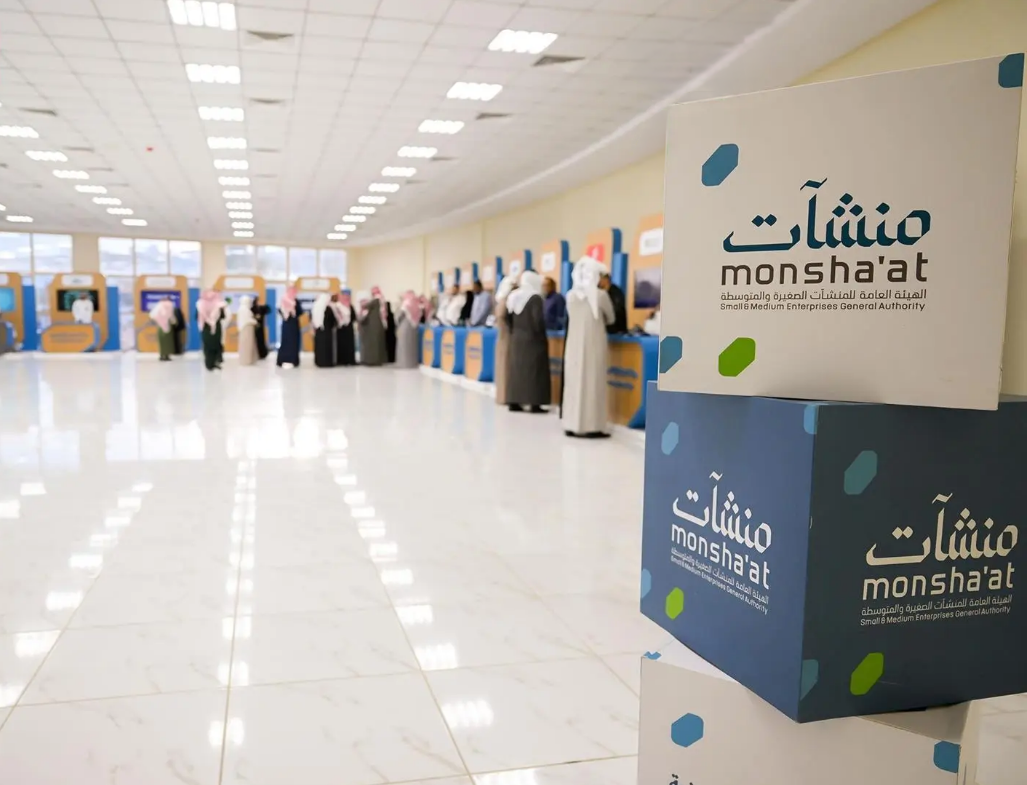
Saudi Arabia’s E-Commerce Boom: Why Traditional Small Businesses Risk Falling Behind
November 5, 2026Saudi Arabia’s digital marketplace is expanding rapidly. By the third quarter of 2026, the kingdom had 52,259 active e-commerce commercial registrations, up 25 percent from…
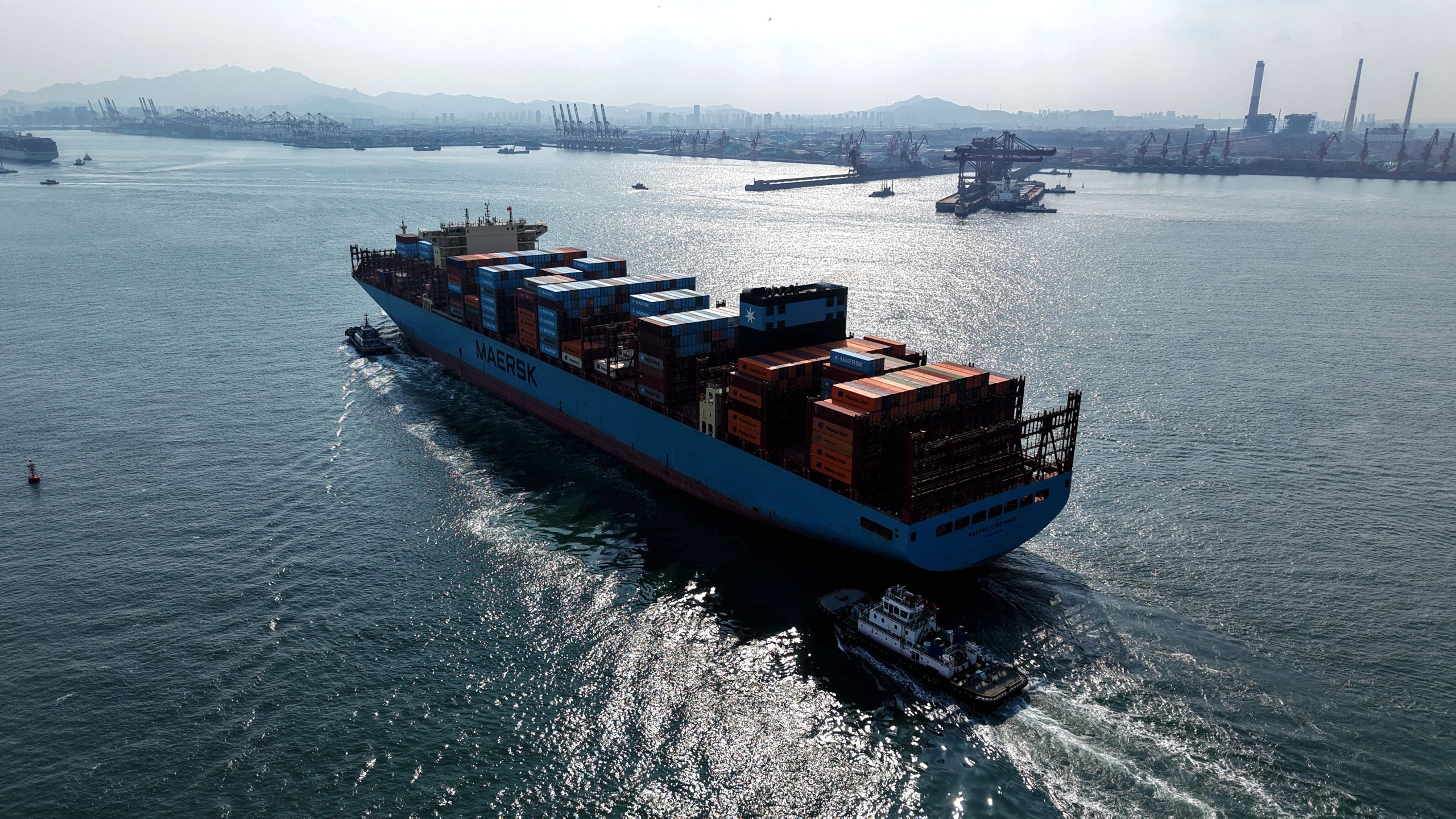
The Middle East’s Corridor Boom Meets Reality
July 22, 2026In recent years, particularly since the outbreak of the recent conflicts in Gaza and Iran, the Middle East has seen a resurgence of connectivity projects….
Iraq’s Fiscal Shock and the New Government’s Bargain
July 20, 2026The disruptions to shipping through the Strait of Hormuz have left Iraq facing more than an immediate export shock. Transport has remained constrained, insurance and…