The Gulf in 2026: Expert Outlook

In their 2026 outlook, the Forum’s experts provide insights into elements that will define the Gulf region’s future. They focus on how Gulf states will maneuver through U.S.-Gulf relations, conflicts, threats, diplomatic engagements, and internal affairs, outlining the key factors set to influence the region’s trajectory in the year ahead.
Navigating Great-Power Competition in 2026 – Ambassador Patrick Theros
Investment, Competition, and Fiscal Discipline in 2026 – Dr. Kristian Coates Ulrichsen
GCC in Gaza: Financing Stability Amid a Fragile Ceasefire – Dr. Aziz Alghashian
Balancing Modernization and Social Tensions – Dr. Hind Al Ansari
Fossil Fuels and Renewables in the Gulf: 2026 Energy Outlook – Dr. Gawdat Bahgat
Stabilizing Syria: The Gulf States’ Expanding Role in 2026 – Anas Alqaed
Turkey-Gulf Relations in 2026: Trade, Security, and Regional Diplomacy – Dr. Sinem Cengiz
Conflict and Engagement in U.S.-Iran Relations – Dr. Banafsheh Keynoush
Iraq’s Government Formation and Structural Vulnerabilities – Dr. Shahla Al Kli
Navigating Economic Growth and Security: GCC-China Relations in 2026 – Dr. John Calabrese

Navigating Great-Power Competition in 2026
Ambassador Patrick Theros, Strategic Advisor, Gulf International Forum
Preoccupied with the conflict in Ukraine, Moscow lacks the capacity for new adventurism. Its primary focus remains on supporting Tehran and securing drones and missiles for its ongoing war. Kremlin officials appear disinclined to provoke Washington, instead seeking to develop economic and energy partnerships through OPEC+ and participating in limited reconstruction projects.
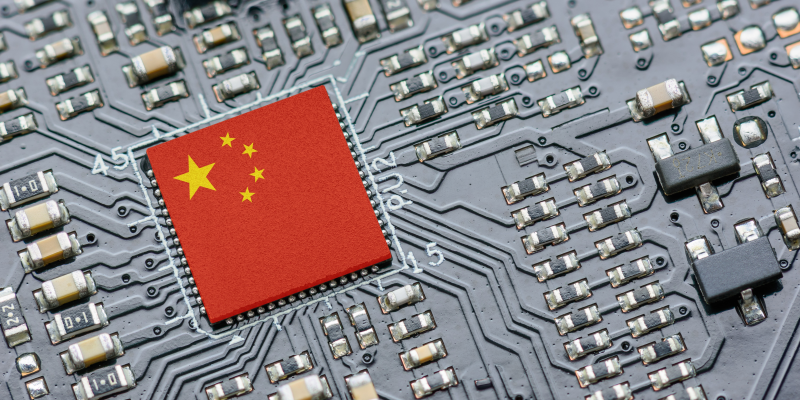
With the U.S. Navy guaranteeing safe passage for Gulf oil and gas, Beijing has little need to compete with Washington militarily. Instead, Beijing prefers commercial competition. Chinese firms finance ports, refineries, and digital infrastructure across the Gulf. The region’s leading monarchies—the UAE, Saudi Arabia, and Qatar—are vying to become AI and data hubs. Gulf leaders shop for chips and cloud services while balancing American security guarantees with Chinese technology offers.
Second-tier regional powers, Israel and Turkey, pose more immediate risks. Israel’s government may seek to convert its military dominance into hegemony by striking Iranian targets. Such action depends on continuing U.S. material support, an uncertain proposition. Washington has strong incentives to restrain escalation, given the risk that a wider conflict could jeopardize Gulf investment flows. Turkey, under Recep Tayyip Erdoğan, will continue expanding its influence in Iraq and Iran while focusing on trade and investment ties with the Gulf monarchies.
Competition will persist, but primarily in investment, technology, and political influence rather than more crude forms of power. The Gulf’s future in 2026 will depend less on superpower brinkmanship and more on how regional actors exploit opportunities arising from this phase of great-power competition.

Investment, Competition, and Fiscal Discipline in 2026
Dr. Kristian Coates Ulrichsen, Baker Institute Fellow for the Middle East, Rice University; Non-Resident Senior Fellow, Gulf International Forum
Challenges facing GCC economies in 2026 include the prospect of a sustained period of oil prices below breakeven rates for several states, including Saudi Arabia, which may face increasing pressure to prioritize and reallocate spending. The enormous sums being spent on sectors such as AI and, in Oman’s case, on green hydrogen may also generate challenges down the line if the large ‘bets’ on emerging sectors do not pay off. There is a risk that, as in other domains, GCC states will compete against each other—a dynamic already evident in AI investments, where Saudi Arabia’s Humain and Qatar’s Qai are entering a space long dominated by UAE state-linked entities.
Opportunities for growth nevertheless exist—particularly for Qatar, which will begin to reap the benefits from the first phase of North Field liquefaction expansion coming onstream in 2026.
A key challenge for leaders in the Gulf, and especially in Riyadh, Abu Dhabi, and Doha, will be balancing the Trump administration’s transactional demands for investment into the United States in support of an “America First” agenda with deals that make strategic and commercial sense. Elsewhere, officials in Bahrain and Kuwait will seek to continue work on aspects of subsidy reform, while their counterparts in Oman will look to solidify and build upon the recent success story of the turnaround in public finances.
GCC in Gaza: Financing Stability Amid a Fragile Ceasefire
Dr. Aziz Alghashian, Senior Non-Resident Fellow, Gulf International Forum
In Gaza, there is no doubt that the Trump plan envisions the Gulf role to be primarily a financial one. While these states may have indicated their readiness to provide financial support, this support comes with political strings attached. The Gulf states understand that stability in Gaza is still elusive. While they do not favor the current conditions for beginning reconstruction efforts, they recognize that the main utility of the Trump plan is maintaining a desperately needed ceasefire, as precarious as it may be.
The Gulf states also know that, absent a credible political process addressing the root causes of the conflict, death and destruction in Gaza and beyond is inevitable. Their eagerness to rebuild Gaza represents a newfound leverage to jump-start a Palestinian-Israeli peace process that had been undermined by the Abraham Accords. However, with a genuine peace process between Palestinians and Israelis not on the immediate horizon, the Gulf states are also playing a humanitarian role, though security conditions remain insufficient to support a proper reconstruction effort.
Alongside the financial role, there is an expected security role for the Gulf states. While there is support within the Gulf for a security role, its exact scope remains ill-defined—perhaps deliberately so. Gulf states want to avoid at all costs being framed as an Arab partner of occupation alongside the IDF. At the same time, they are not publicly denying the possibility of their troops on the ground, as they seek to maintain Donald Trump’s interest in preserving the ceasefire.

Balancing Modernization and Social Tensions
Dr. Hind Al Ansari, Fellow, Gulf International Forum
As GCC states enter the final stretch of their national visions, governments are intensifying efforts to reinforce their international image as safe and attractive destinations for tourism, investment, and global entertainment. In Saudi Arabia, the United Arab Emirates, and Qatar, tourism has become a central pillar of economic diversification strategies aimed at reducing dependence on oil and gas revenues. This push has gained urgency following a series of regional security shocks that have challenged long-standing perceptions of safety and stability in the Gulf region.
However, this accelerated opening to the world has also intensified domestic debates about identity and the pace of social change. While these discussions are not new, they have become more visible as entertainment, nightlife, and mass tourism increasingly reshape public spaces, often in ways perceived as catering primarily to foreign audiences. These dynamics are further complicated by regional geopolitics. Ongoing anger over Gaza and Trump-led normalization frameworks have sharpened public sensitivity to perceived social and political compromises.
Recent high-profile events illustrate this tension. Qatar launched a major tourism campaign around the Qatar Grand Prix, flying in international celebrities to amplify the country’s global appeal through social media. Saudi Arabia similarly hosted MDLBEAST Soundstorm 2025, a flagship music festival central to its rebranding efforts. While these initiatives, and others like them, bolster international visibility, they have also reignited familiar debates over social and religious norms and political priorities, with critics questioning whether such events serve their domestic societies at all or primarily appeal to external audiences. Together, these debates underscore how social policy, cultural signaling, and global ambition remain tightly intertwined as the GCC navigates its path toward 2026.

Fossil Fuels and Renewables in the Gulf: 2026 Energy Outlook
Dr. Gawdat Bahgat, Senior Non-Resident Fellow, Gulf International Forum
Energy has always been seen as both an economic and strategic commodity, meaning that it is simultaneously subject to supply and demand as well as to political changes. The GCC states are well-positioned to continue playing a key role in securing rising global oil and natural gas demand while investing in other sources of energy such as renewables and nuclear power. Several environmental, technological, and geopolitical dynamics are certain to shape the global energy landscape in 2026.
First, global renewable power capacity is projected to double between 2025 and 2030. This expansion of renewables does not, however, suggest a phasing out of the share of fossil fuels in the global energy mix (currently more than 80 percent). In the last several years, the GCC states have invested in solar and nuclear power in cooperation with the United States, China, and other global powers.
Second, the surge in artificial intelligence, and the vast amounts of power needed to run it, mean the world needs more secure and sustainable electricity. Seeking to diversify their economies, the GCC states have partnered with major IT companies and are in the process of establishing themselves as major global data-center hubs.
Third, ongoing political tension and economic sanctions have underscored the key role the GCC states play as reliable exporters of oil and gas. Western sanctions on Russia since 2022, rising US-Venezuela tension since late 2025, and the stalemate over Iran’s nuclear program have substantially reduced oil and gas supplies from these three major producers. In 2026, the GCC states will continue to balance the need to mitigate climate change without undermining the need for sustainable development.

Stabilizing Syria: The Gulf States’ Expanding Role in 2026
Anas Alqaed, Director of Programs, Gulf International Forum
In 2026, the role of the Gulf states in supporting the transitional government’s efforts to stabilize Syria’s security and economy is likely to expand, particularly following the removal of sanctions and given Doha’s and Riyadh’s ability to press both Turkey and the United States on security stabilization across different Syrian regions.
The year 2025 marked a historic shift in Syrian–Gulf relations. Following the collapse of the Assad regime, most GCC states extended comprehensive support to the new government, signaling that the success of the transitional authorities in Damascus has become both a GCC objective and a Saudi–Qatari national interest. In coordination with Amman and Ankara, Gulf states provided diplomatic backing on the global stage, economic assistance, and bureaucratic training to empower the transitional government. At the same time, they pressed the United States to remove sanctions and encouraged regional and international actors to engage with the new Syrian authorities.
The year 2026 is likely to witness the materialization of the GCC’s pledged economic assistance, reconstruction fund, and investments, particularly following the removal of the Caesar Act sanctions in December 2025. Despite these positive developments, Syria’s central challenge remains the stabilization of its diverse regions. While major urban centers—Damascus, Aleppo, and Homs—are largely at peace, Syria’s peripheral areas continue to pose serious challenges to President al-Sharaa’s administration and its key partners in Amman, Ankara, and most GCC capitals.
The role of the Gulf states remains essential, particularly in applying diplomatic pressure through their leverage with both the Trump and Erdoğan administrations to contain and resolve these flashpoints. The Kurdish-led, U.S.-backed Syrian Democratic Forces (SDF) are likely to represent the most significant challenge to Syria’s territorial unity. While Ankara views this issue as a core national security concern requiring negotiation with Washington, Doha and Riyadh can also mediate between Ankara–Washington and SDF–Damascus talks.
Similarly, the insurgency in the Druze-majority Suwayda governorate, which is backed by Israel, presents another destabilizing factor. Resolving it will require sustained U.S. pressure on Israel, which Gulf states are uniquely positioned to help generate in Washington.

Turkey-Gulf Relations in 2026: Trade, Security, and Regional Diplomacy
Dr. Sinem Cengiz, Non-Resident Fellow, Gulf International Forum
In 2026, Turkey’s relations with the Gulf states are likely to remain pragmatic and interest-driven as both sides focus more on realistic gains. There are incentives on both sides to maintain the momentum achieved since 2021. While high-level leadership diplomacy will remain significant, relations are likely to develop an institutional dimension, with long-term political and economic frameworks.
In relations with the Gulf states, Ankara is focused on practical goals: boosting trade and investment, expanding defense industry partnerships, strengthening political coordination, and positioning itself as a reliable security partner. On regional issues such as Syria, Gaza, and the Horn of Africa, Turkey and the Gulf states increasingly rely on one another. Reconstruction of Syria and Gaza remains a topic of concern for both sides.
Which Gulf partner Turkey works with best varies by issue. Turkey maintains closer relations with some Gulf states than others. Qatar remains its closest and most trusted partner in the Gulf. Turkey also wants to deepen its ties with Kuwait and Oman, bringing them closer to the level of cooperation it already enjoys with Qatar. In this regard, President Recep Tayyip Erdoğan’s 2025 tour of Kuwait, Oman, and Qatar was significant.
Turkey’s relations with Kuwait and Oman are likely to grow steadily. With Saudi Arabia, there is a growing overlap in regional priorities, and recent regional developments show that their relationship will likely move toward closer alignment. Ankara’s ties with the UAE and Bahrain are more mixed: relations with the UAE are driven mainly by economic dynamism, while relations with Bahrain are yet to reach their full potential. The year 2026 will ultimately test Turkey’s ability to balance its evolving ties across the Gulf amid changing regional dynamics.

Conflict and Engagement in U.S.-Iran Relations
Dr. Banafsheh Keynoush, Affiliate Faculty at the Ansari Institute for Global Engagement with Religion, University of Notre Dame
The U.S. National Security Strategy (NSS) for 2025 highlights deterrence through “Peace Through Strength,” a pragmatic model for military intervention to uphold U.S. security interests, which may or may not involve regime change goals. The framework enables President Trump to authorize a second war on Iran in 2026, after the United States used bunker bombs to attack three Iranian nuclear sites during the 12-Day War. At the same time, it shows a lack of appetite for direct military confrontation where the prospects for rapid regime change appear dim.
Iran expects tensions with Washington to persist in 2026 and will seek to manage them by delaying renewed conflict. This entails a calculating foreign policy approach that involves increased bargaining with the United States, possibly by abandoning threats to leave the Nuclear Non-Proliferation Treaty in exchange for security through diplomacy or joint efforts to revive a nuclear deal.
The NSS goal of protecting oil transit through the Strait of Hormuz, which Iranian officials promise to block in the event of a crisis, will push Tehran to seek energy security with its neighbors. Simultaneously, Tehran will promote peaceful regional nuclear cooperation by building small modular nuclear reactors.
The challenge for Tehran is that it cannot readily de-securitize its regional outlook by accepting President Trump’s offer for peace in exchange for zero nuclear enrichment. Rather, it aims to pressure Washington toward détente by projecting strength through defiance, deterrent military capabilities, and regional economic engagement, seeking to continue its conflictual relationship with the United States.

Iraq’s Government Formation and Structural Vulnerabilities
Dr. Shahla Al Kli, Chief of Party for Iraq, Counterpart International
Iraq is likely to enter the first months of 2026 with government formation still dominating the political landscape. While Sunni forces concluded the selection of the Speaker of Parliament by the end of 2025, the more contested positions of prime minister and president are expected to remain unresolved until constitutional deadlines converge around mid-March.
Beyond government formation, 2026 will likely be marked by another marathon of political horse-trading around the federal budget. Tensions between Baghdad and the Kurdistan Region, as well as between the federal government and Basrah province, will dominate the agenda. These disputes will unfold amid mounting economic pressures, including politically sensitive fiscal measures such as exchange-rate adjustments and reductions to the public ration card system. Such steps risk triggering public unrest, as societal tolerance for economic shocks continues to erode.
Regionally, Iraq will remain a central arena in an intensifying Middle Eastern cold war. Escalatory dynamics involving Israel and Iran-linked actors are likely to place Baghdad under growing strain. Concurrently, Iran’s influence will remain structurally embedded across political and security institutions, even as Baghdad attempts to balance U.S. pressure on militias.
What will continue to be largely absent in 2026 are forward-looking socioeconomic policies. Iraq lags behind regional peers on women’s participation, strategic investment, technological adoption, and economic diversification. While neighboring states pursue investment-led growth and governance modernization, fragility persists as a condition from which Baghdad’s dominant elites continue to benefit, even as volatile oil markets expose the limits of this model. The result is a system focused on managing vulnerability rather than building resilience.

Navigating Economic Growth and Security: GCC-China Relations in 2026
Dr. John Calabrese, Assistant Professor of International Relations, American University
In recent years, GCC states have emerged as key partners for China’s export growth, energy security, and high‑tech deployment. In 2026, China–Gulf relations are set to deepen economically and technologically, but they will remain constrained by Gulf reliance on the United States for security.
Renewables, telecommunications, smart cities, and logistics will anchor this deepening. Chinese firms such as Huawei and ZTE are likely to remain central to Gulf 5G/5.5G and AI ecosystems, despite Western scrutiny. A renewed push to conclude the long‑discussed China-GCC free trade agreement could make trade‑rule consolidation a core 2026 objective, embedding ties within a Global South, multipolar framework rather than forming a formal alliance.
The second China–Arab States and China–GCC summits in Beijing—each expected in 2026—could produce a multi‑year roadmap expanding cooperation in green energy, digital infrastructure, manufacturing, and finance, aligning the Belt and Road Initiative more closely with Vision 2030 agendas.
Saudi Arabia and the UAE will anchor China’s ties to the Gulf, with Qatar emerging as a rising pillar as Beijing aligns its next planning cycle with Qatar National Vision 2030 around LNG, AI, and the digital economy. Elsewhere, progress will be uneven: steady investment around oil and Duqm in Oman, acceleration in Kuwait via the Mubarak al‑Kabeer Port and renewables, and incremental gains in Bahrain mainly through GCC‑wide frameworks.
Geopolitically, Gulf governments will continue to compartmentalize. China’s overcapacity exports may intensify competition yet boost demand for Gulf energy, while sanctions shocks or regional escalation—from Gaza to Israel and Iran—would reinforce Gulf energy centrality, heighten risks to Chinese investments, and underline why Gulf states still look to Washington for security guarantees.
The views and opinions expressed in this analysis are those of the authors and do not necessarily reflect the views of Gulf International Forum.
Issue: Defense & Security, Economy & Innovation, Energy & Environment, Geopolitics, Politics & Governance, Society & Culture, U.S. – Gulf Policy
Country: GCC
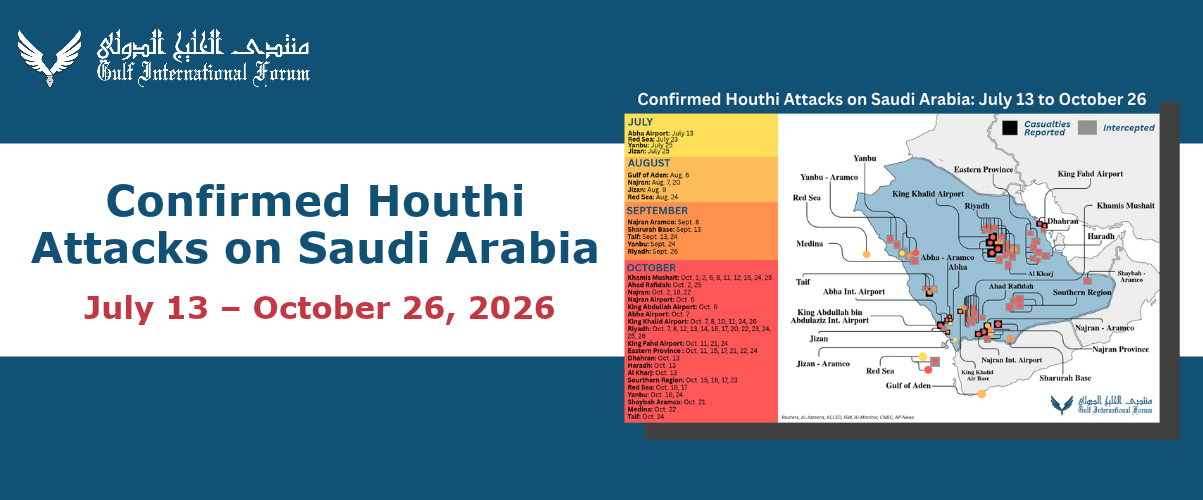
Confirmed Houthi Attacks on Saudi Arabia: July 13 to October 26
October 28, 2026
Toward a New Order in MENA Regional Geopolitics
September 2, 2026This report is a byproduct of the workshop “Toward a New Order in MENA Regional Geopolitics: What’s Next for the Region’s Geopolitical Equilibrium?,” hosted in…
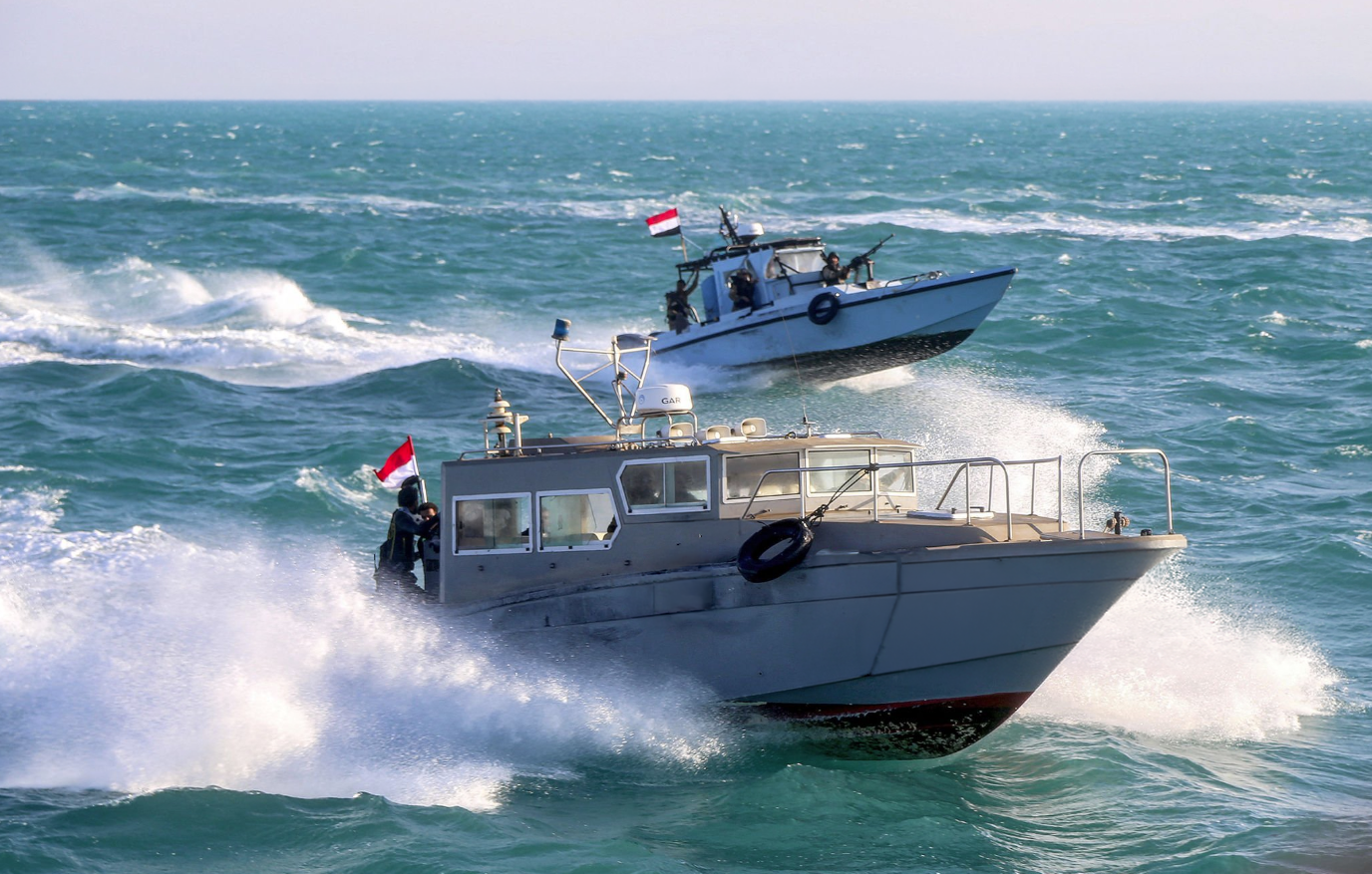
Yemen’s Emerging Role in the Red Sea
August 27, 2026On August 4, 2026, the Yemeni Coast Guard (YCG) rescued the 14-member crew of the Indian-flagged commercial vessel Faize Noore Oliya. Transiting the Red Sea…