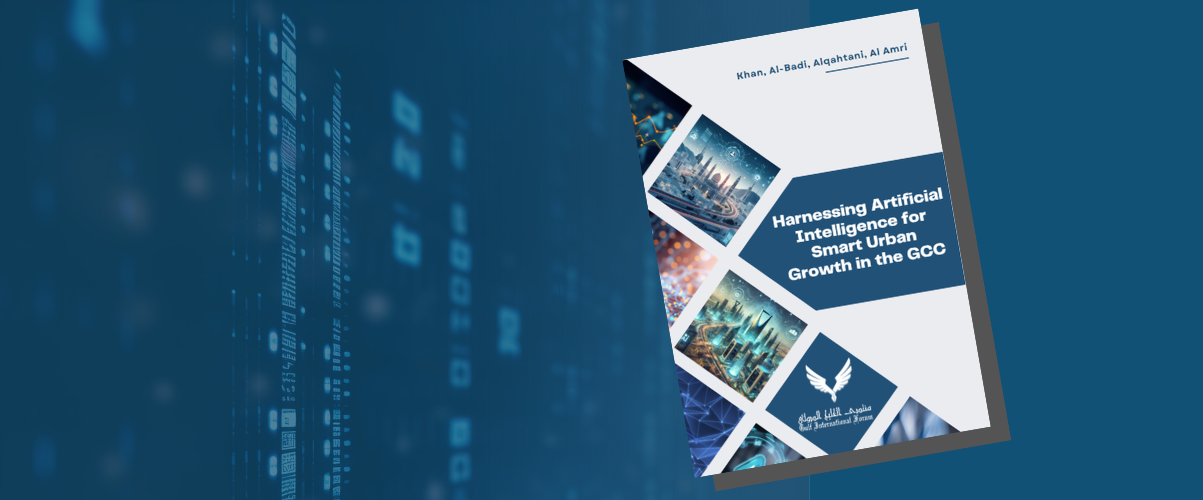
Harnessing Artificial Intelligence for Smart Urban Growth in the GCC

As cities across the globe face rapid urbanization and increasing resource constraints, governments and businesses are turning to artificial intelligence (AI) and other emerging technologies to develop sustainable “smart city” solutions. This policy report examines the integration of AI into smart city initiatives in the Gulf Cooperation Council (GCC) region, with a particular focus on Oman and Saudi Arabia.
This study seeks to investigate public perceptions of smart city dimensions and assess how AI is currently shaping urban services such as mobility, governance, healthcare, environment, and economic systems. Using a survey-based, quantitative research method, data was collected from 49 respondents across Oman and Saudi Arabia. A random sampling technique was used in the data collection, and the findings offer an empirical analysis of how each GCC country is adopting AI in their smart city strategies.
The results show that Saudi Arabia leads in AI integration across key domains including autonomous vehicles, digital governance, and real-time decision-making, aligning with the country’s Vision 2030 goals. Oman, while lagging in some areas, demonstrates significant potential for AI adoption if it increases investment in digital infrastructure, governance, and public-private partnerships. This report also identifies key barriers to AI deployment in the GCC region, including ethical concerns, limited AI expertise, regulatory gaps, and infrastructure challenges. Regarding AI privacy and ethics, Saudi Arabia demonstrates greater skepticism, whereas Oman’s comparatively lower degree of skepticism likely reflects its more limited adoption and awareness of AI.
As regional and international interest in smart city development continues to grow, the GCC has a unique opportunity to lead in the responsible deployment of AI technologies. This report aims to inform that process by offering evidence-based policy recommendations grounded in the local context. It also lays the groundwork for cross border collaboration, capacity building, and regulatory innovation necessary to realize the full potential of smart cities in the Gulf region. Although the current findings rely on limited data samples, they provide actionable insights for policymakers aiming to harness AI for smarter, more sustainable urban development. This research also underscores the need for inclusive, ethical, and well-regulated approaches to ensure AI delivers equitable and resilient outcomes in GCC cities.
This report is a product of the inaugural Gulf Studies Symposium. The Gulf Studies Symposium (GSS) stands as an annual gathering committed to advancing the depth of knowledge about the Gulf region. Our overarching mission revolves around the promotion of high-caliber scholarship and the facilitation of insightful analysis. We achieve this by meticulously orchestrating a series of workshops, with the ultimate aim of bringing forth publications that contribute to the academic discourse on the Gulf.
The views and opinions expressed in this report are those of the authors and do not necessarily reflect the views of Gulf International Forum.
Issue: Economy & Innovation
Country: GCC, KSA, Oman

Dr. Asharul Islam Khan is a Research Associate and Research Fellow at Sultan Qaboos University, Sultanate of Oman, working on topics including artificial intelligence, big data governance, and wearable technologies. He has authored and co-authored research on AI governance, computer vision, and smart systems, and his work appears in international conference proceedings and journals. His academic background includes a Ph.D. in software engineering, with prior experience as a consultant and research assistant in technology-enhanced learning and ICT projects.

Professor Ali Al-Badi is a Professor of Information Systems and Dean of Gulf College in Muscat, Sultanate of Oman, bringing over 27 years of academic and professional experience in computing and information technology. He previously served as Assistant Dean at Sultan Qaboos University, where he contributed significantly to academic development and research initiatives. His research interests encompass social media analytics, big data, cloud computing, and web usability.
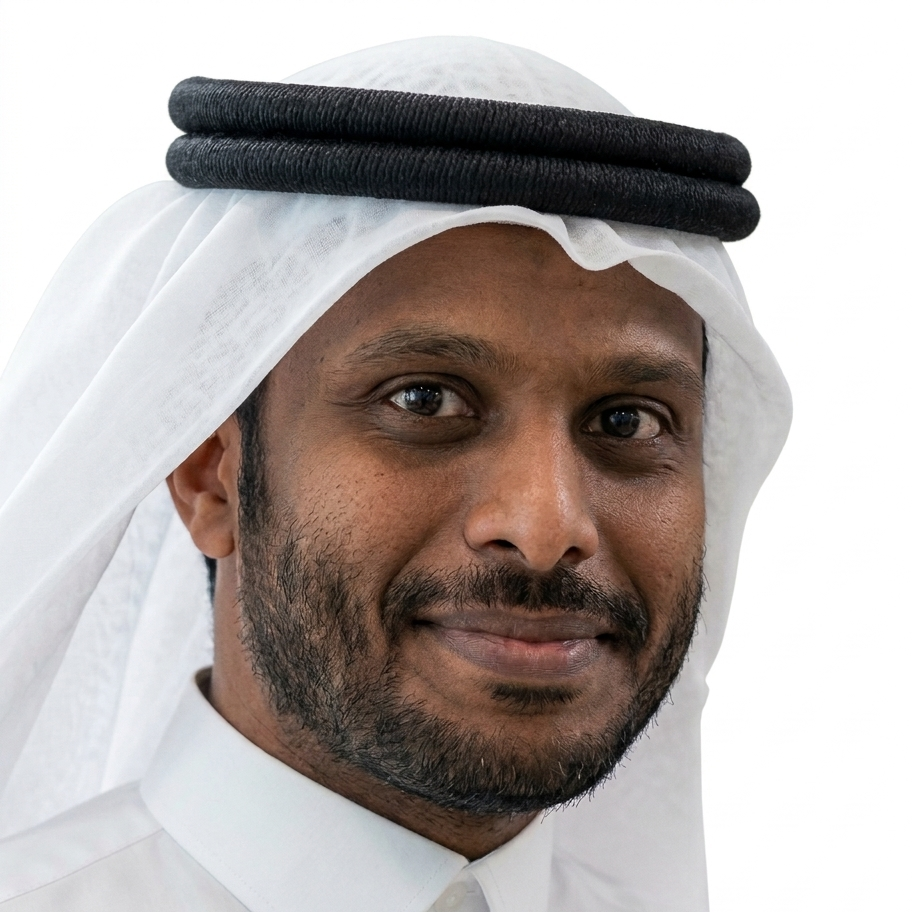
Professor Mohammed Alqahtani is an Associate Professor in the Department of Computer Information Systems at the College of Computer Science and Information Technology, Imam Abdulrahman Bin Faisal University, Kingdom of Saudi Arabia. He currently serves as Vice Dean for the Deanship of Information and Communication Technology. His research interests include software engineering, programming, mobile transactions, usability, and data analysis.
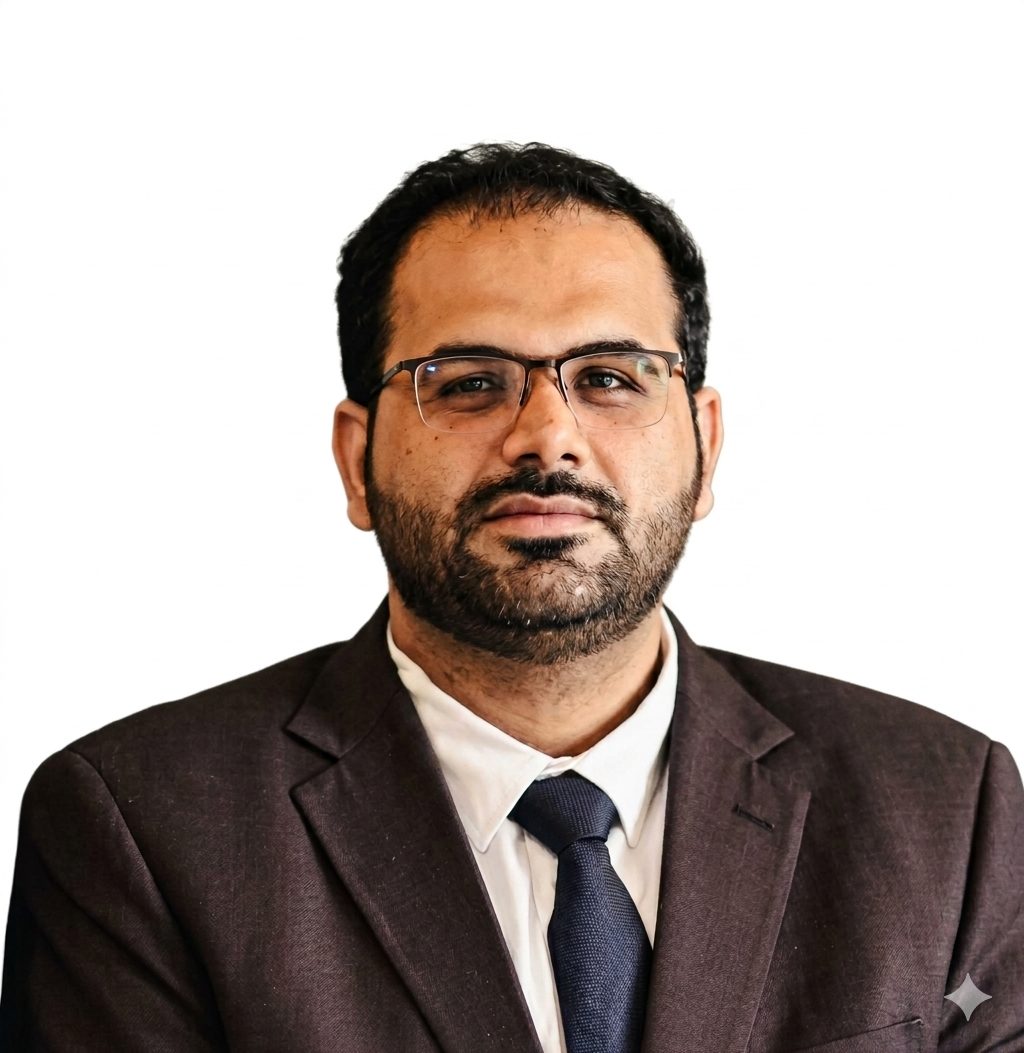
Mr. Ali Yusuf Al Amri is Senior Software Project Lead at Progress Soft LLC in Muscat, Sultanate of Oman. He holds a Bachelor’s degree in Computer Science from Sultan Qaboos University and has worked in a number of IT solutions firms in Oman. His principal areas of expertise include Java programming, smart cities and data science.

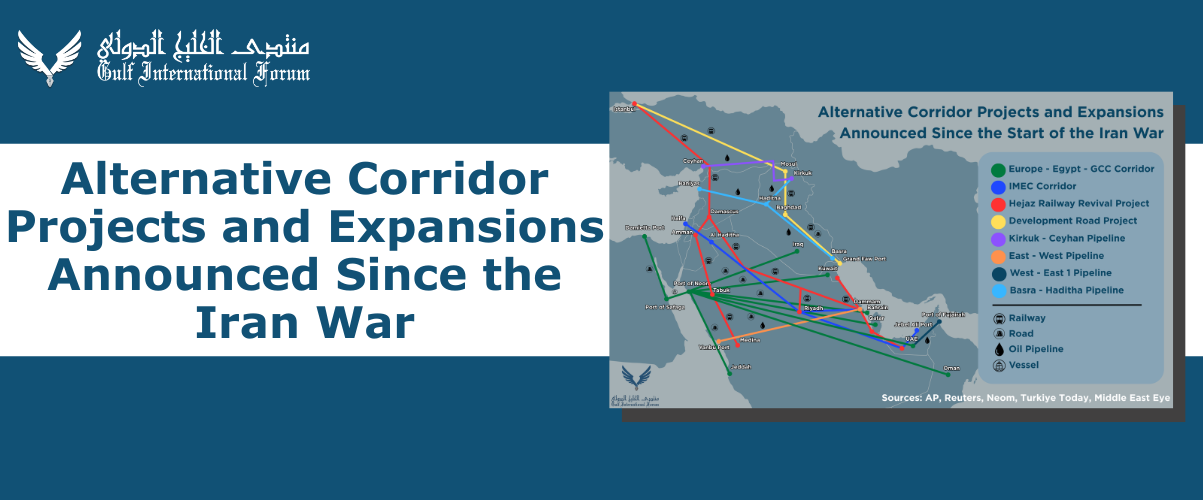
The Middle East’s Corridor Boom Meets Reality
July 22, 2026In recent years, particularly since the outbreak of the recent conflicts in Gaza and Iran, the Middle East has seen a resurgence of connectivity projects….
Iraq’s Fiscal Shock and the New Government’s Bargain
July 20, 2026The disruptions to shipping through the Strait of Hormuz have left Iraq facing more than an immediate export shock. Transport has remained constrained, insurance and…