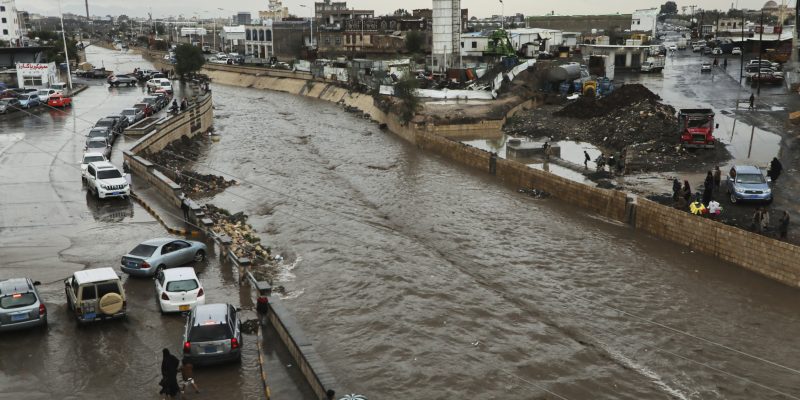
The Making of Sectarian Conflict in Yemen: Domestic and Regional Drivers (1970–2025)

Over the past five decades, Yemen has experienced a gradual shift in which religious identity, particularly the Zaydi–Sunni divide, has become increasingly politicized. While sectarian affiliations were historically fluid and rarely defined political loyalties, successive waves of internal and external pressures have contributed to their reconfiguration. This report examines how sectarian boundaries, once marginal in Yemen’s political life, have been mobilized and reshaped by political elites, armed movements, and foreign powers, leading to their growing visibility in the current conflict.
Sectarianization in Yemen began as a state-driven strategy: post-civil war governments in North Yemen imported Saudi-influenced Salafism to consolidate power, weaken Zaydi elites, and suppress the left. In response, Zaydi actors undertook a political and cultural revitalization, founding the Al-Haqq Party and the Believing Youth movement. At this early stage, their mobilization was defensive and nonviolent.
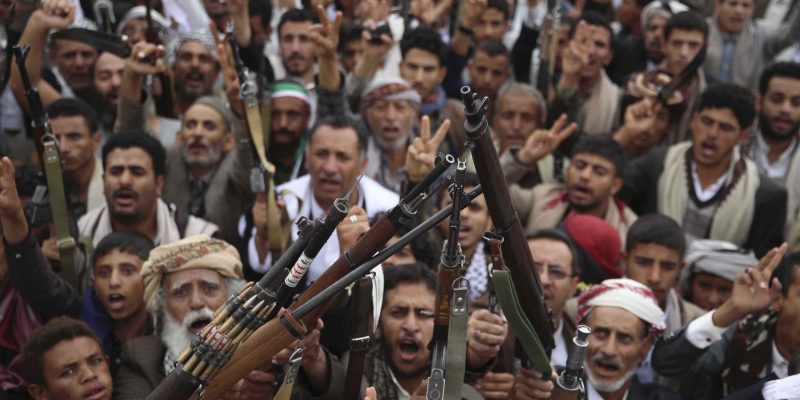
Later, President Ali Abdullah Saleh—concerned by the rising influence of the Salafist Islah party—shifted strategy. He encouraged the promotion of Zaydism and supported the Believing Youth, even facilitating the incorporation of Hussein al-Houthi, whose leadership would radically alter the movement. This new phase of sectarianization, shaped by opportunism and anti-Western sentiments, led to a deeper politicization of Zaydi identity. Al-Houthi’s discourse gained traction in the context of U.S. military presence in the Middle East and growing regional tensions, especially after 2003.
Open conflict erupted with the Sa’dah Wars (2004–2010), when sectarian rhetoric became a tool for both regime propaganda and Houthi resistance. Saleh’s mobilization of Islamist militias, including jihadists, further escalated the sectarian tone of the war. These dynamics overshadowed other key conflict drivers, such as authoritarianism, economic collapse, and regional inequalities.
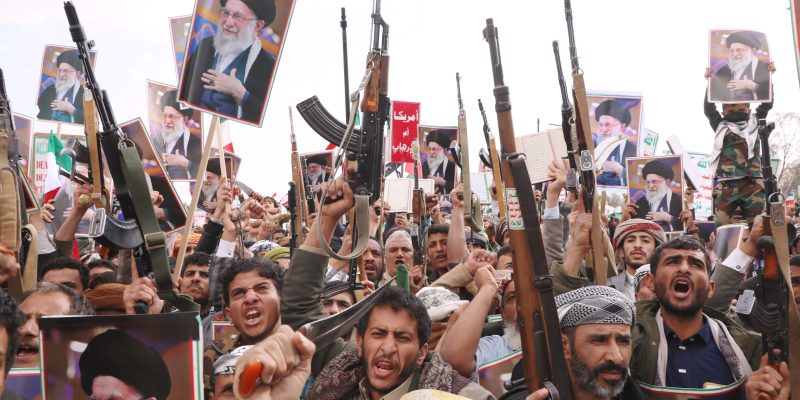
In the aftermath of the protest movement that grew in Yemen amid the Arab Spring, the collapse of state institutions and the exclusionary nature of the GCC-led transition paved the way for the Houthi takeover of the capital, Sana’a. Regional involvement entrenched sectarian narratives and reframed the conflict within the Iran–Saudi rivalry. As a result, sectarian identity, once peripheral in Yemen’s political landscape, gained increasing relevance, shaped and amplified by decades of political manipulation and foreign intervention. Understanding how this transformation occurred is essential for designing effective peacebuilding strategies and preventing future instrumentalization of religious identities.
This report is a product of the inaugural Gulf Studies Symposium. The Gulf Studies Symposium (GSS) stands as an annual gathering committed to advancing the depth of knowledge about the Gulf region. Our overarching mission revolves around the promotion of high-caliber scholarship and the facilitation of insightful analysis. We achieve this by meticulously orchestrating a series of workshops, with the ultimate aim of bringing forth publications that contribute to the academic discourse on the Gulf.
The views and opinions expressed in this report are those of the authors and do not necessarily reflect the views of Gulf International Forum.
Issue: Society & Culture
Country: Yemen

Juan Piñón del Río is a second-year PhD candidate in Contemporary Arab and Islamic Studies at the Autonomous University of Madrid. His research examines sectarian and political dynamics in the Gulf from a critical perspective. He holds a double degree in International Relations and Economics (King Juan Carlos University) and a Master’s degree in Contemporary Arab and Islamic Studies (Autonomous University of Madrid). He has taught International Relations as a lecturer at King Juan Carlos University. His work has been presented at several academic venues, including Georgetown University’s Second Gulf Studies Symposium, as well as conferences and research seminars in Spain.

Iran’s Embassies Enter the Narrative War
August 24, 2026At key moments in history, embassies have stepped beyond their conventional diplomatic functions to serve the wider interests of their states. They have gathered intelligence,…
Who Leads Gulf Schools Through Crisis?
August 1, 2026Recent discussion has rightly drawn attention to how regional conflict can disrupt education in the Gulf, forcing schools and universities online and exposing risks related…
The Legacy of Sheikh Hamad bin Khalifa Al Thani: Expert Perspectives
July 13, 2026With the passing of His Highness Sheikh Hamad bin Khalifa Al Thani, the Father Emir of Qatar, Gulf International Forum experts assess the legacy of…