Beyond Football: Saudi Arabia’s Rise Through Soccer and Statecraft
Al-Hilal’s excellent performance in the recent FIFA Club World Cup signals Saudi Arabia’s strategic ascent—leveraging football to reshape perceptions, assert soft power, and accelerate its Vision 2030 transformation beyond the pitch.

Saudi Arabia’s investment in football is no mere sporting project—it is a calculated instrument of national transformation and soft power. Through Vision 2030, the Kingdom is using global football success as a platform to shift perceptions, showcase competence, and signal its arrival as a serious international player. “The Saudi League is better than Ligue 1,” said football legend Cristiano Ronaldo, player of Al-Nassr and captain of Portugal’s national team, about France’s top division of professional football. “France only has Paris Saint-Germain. The rest are finished.” Supporting Ronaldo’s claim was Neymar, former Brazilian national team player and former Al-Hilal player, who added that he would not be surprised if the Saudi league surpassed France’s Ligue 1, which has long been considered one of the world’s top five leagues.
Initially, media and social platforms treated these statements with ridicule and disdain, particularly among football fans. Despite Saudi Arabia’s national team beating eventual champion Argentina in the first stage of the 2022 FIFA World Cup in Qatar, and two Saudi clubs winning the AFC Champions League twice in the last five tournaments, it was Al-Hilal’s victory over Manchester City—ranked as the second-most valuable club globally after Real Madrid—during the 2025 FIFA Club World Cup in the United States, that compelled the world to revisit Ronaldo’s and Neymar’s earlier statements.
This victory transformed football fans from outright denial about the quality of the Saudi league into skepticism regarding their preconceived stereotypes, marking the start of recognition of Saudi football’s global prominence.
How Did Saudi Arabia Quietly Build a Football Giant?
Saudi Arabia’s success was not spontaneous. It was the outcome of comprehensive Saudi governmental efforts through the Player Recruitment Program, designed to elevate the Saudi league by attracting elite global players and athletes. This program reflects the government’s ambitious development mindset, meticulously attentive to contract procedures and governance mechanisms. It conducts thorough analyses of each recruitment request and evaluates each club’s financial capacity to fulfill its obligations based on allocated budgets. These procedures were agreed upon by all clubs, including corporate clubs, coordinated with their senior management, ensuring commitments to financial resources for new player recruitment and internal transfers.
Al-Hilal’s victory validated these efforts and demonstrated the effectiveness of Saudi methods in managing affairs and shaping the future. The Kingdom does not view Al-Hilal’s win as an individual achievement, but rather a national accomplishment, highlighting its true capabilities and diligent efforts.
What Did Al-Hilal’s Victory Mean for the Gulf?
The victory was celebrated nationally. Saudi Sports Minister Prince Abdulaziz bin Turki Al-Faisal stated, “I congratulate our national representative, Al-Hilal, on reaching the quarter-finals of the Club World Cup, a remarkable performance and victory reflecting the strength of Saudi football, thanks to the support of our beloved nation’s leadership.” The Saudi Football Federation also congratulated Al-Hilal, stating, “The nation’s representative advances to the Club World Cup quarter-finals; congratulations to Al-Hilal, wishing continued brilliance and excellence.”
Regionally, Sheikh Tahnoun bin Zayed Al Nahyan, Deputy Ruler of Abu Dhabi and National Security Advisor, wore an Al-Hilal scarf celebrating the victory during his meeting with Saudi Crown Prince Mohammed bin Salman—underscoring the positive reflections of this success within the Gulf Cooperation Council countries. Even officials outside the Gulf commented on Al-Hilal’s win; Russian Foreign Minister Sergey Lavrov personally congratulated Saudi Foreign Minister Prince Faisal bin Farhan on Al-Hilal’s victory over Manchester City during their meeting in Moscow.
Al-Hilal’s victory transcends the club and the sport itself, illustrating Saudi competence and global competitiveness across all domains. The Kingdom now reaps the fruits of years spent in development and investment, moving beyond merely enhancing its global image to becoming a peer among advanced nations.
Beyond Football
As football is the most popular and widely followed sport globally, Saudis effectively communicated to the world that it is time to recognize their capabilities, not only in sports but in all fields. Al-Hilal’s victory affirmed that Saudi Arabia—the largest Arab economy, the fourth-largest economy in Asia, a major global energy influencer, one of the top five sovereign wealth funds globally, and an active member of the G20—is not merely a spectator, but holds a long-term plan for investment in all fields. The success of Saudi sport investment comes hand in hand with its massive economic investment in tech, defense and other non-energy sectors.
Also, this success embodies Saudi soft power, capable of influencing and attracting others. This could encourage other countries to voluntarily embrace and follow Saudi Arabia’s Vision 2030, further directing global attention to the Gulf region. Saudi Arabia’s international sports successes have reshaped its competitive mindset. Following Al-Hilal’s loss to Brazil’s Fluminense and subsequent elimination from the tournament, Saudi analysts and fans openly expressed ambitions to win the championship, not just participate honorably. This attitude extends beyond football, reflecting an increased belief in Saudi capabilities and potential to secure leading positions in other areas. This sharpened, competitive mentality will accelerate the Kingdom’s achievement of its goals through its people, becoming a cultural legacy passed down to future generations.
The views and opinions expressed in this article are those of the authors and do not necessarily reflect the views of Gulf International Forum.
Issue: Economy & Innovation, Society & Culture
Country: GCC, KSA
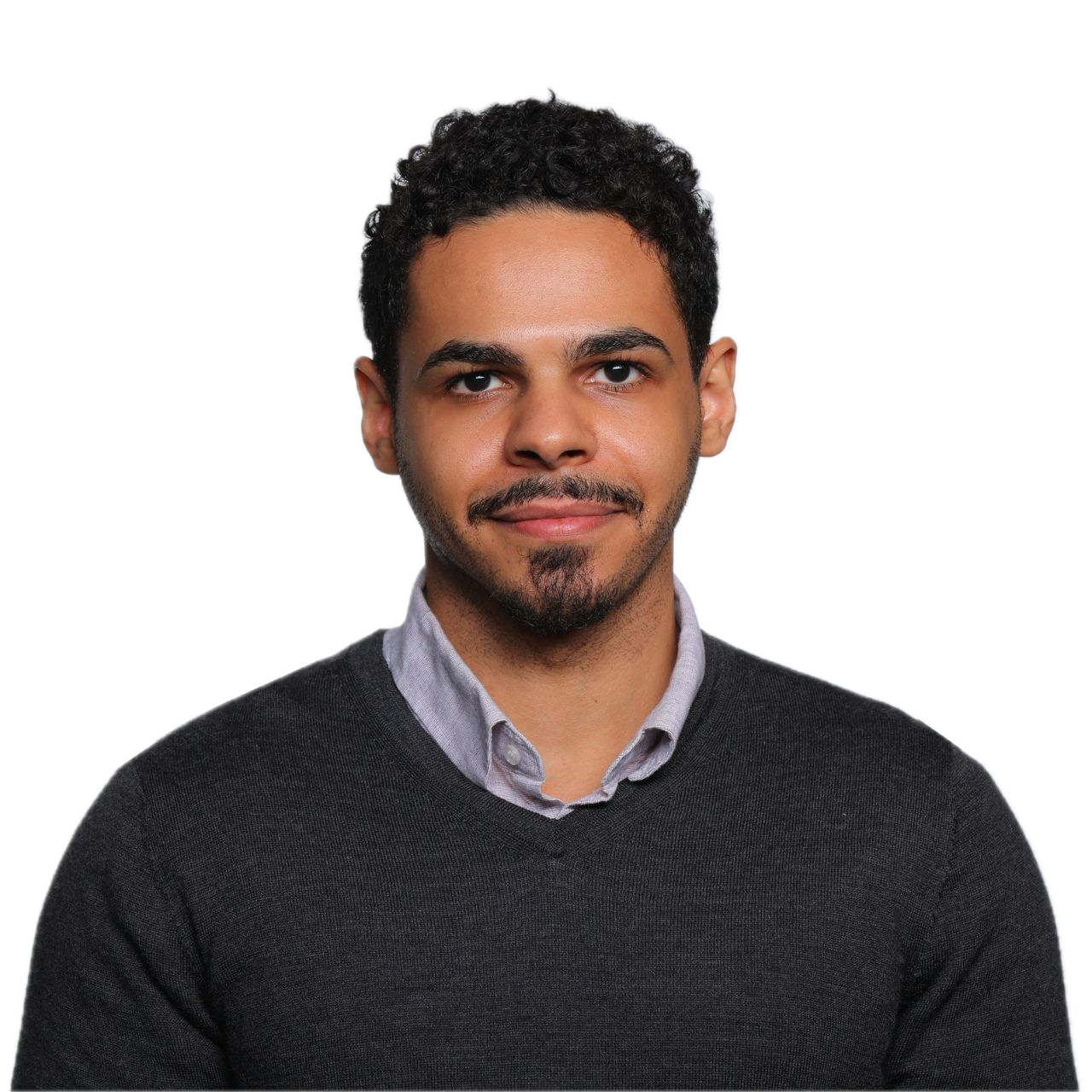
Mohammed Alsuwaylih is a PhD student in Education Policy at the University of Pittsburgh and a lecturer at Imam Mohammad Ibn Saud Islamic University in Riyadh. Sponsored by the Saudi government, his research focuses on comparative education systems, policy evaluation, and development strategies in the Gulf region. Through comparative policy analysis that draws on cases from Saudi Arabia, the GCC, the United States, and Australia, Mohammed pinpoints the conditions under which global reforms can be adapted to advance equity and human-capital growth in Gulf education systems.
The Middle East’s Corridor Boom Meets Reality
July 22, 2026In recent years, particularly since the outbreak of the recent conflicts in Gaza and Iran, the Middle East has seen a resurgence of connectivity projects….
Iraq’s Fiscal Shock and the New Government’s Bargain
July 20, 2026The disruptions to shipping through the Strait of Hormuz have left Iraq facing more than an immediate export shock. Transport has remained constrained, insurance and…