How Trump’s Economic Policies Could Reshape America and the Gulf Region
Washington’s cost-cutting efforts could put the United States on a more solid footing to compete with China—or they could undermine the source of America’s appeal in the Gulf.

The Trump administration’s assertive approach to economic affairs has fundamentally shifted America’s geopolitical behavior, creating significant impacts worldwide—and particularly among the Gulf Cooperation Council (GCC) member states. These ambitious strategies could be genuinely advantageous, or they could destabilize the long-standing alliances and partnerships that have advanced U.S. interests in the Middle East.
The economic circumstances of post-World War II Britain provide insightful yet limited perspectives on the current U.S. economic scenario. After the war, Britain grappled with immense national debt amid a shifting geopolitical order—a scenario that rhymes with the United States’ current conundrum. However, the United States faces an unprecedented competitive dynamic; unlike London, which could rely on Washington’s support to combat an insular adversary in the Soviet Union, the United States must contend with a powerful, economically resilient rival that presents alternative avenues for economic partnership than those offered by Western powers.
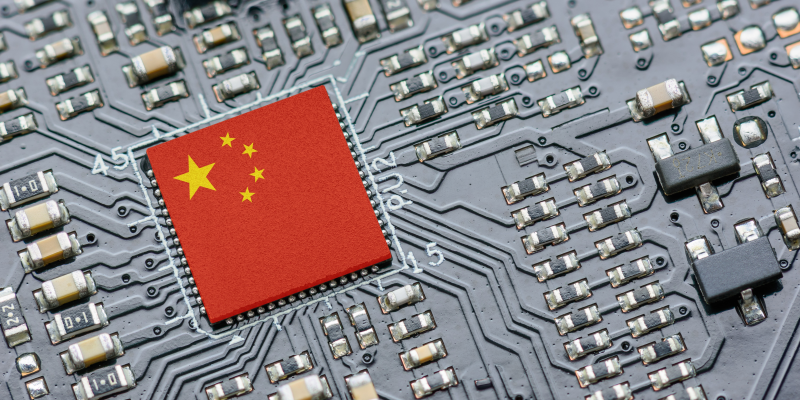
China’s Belt and Road Initiative (BRI) offers attractive alternatives for Gulf nations, challenging traditional Western economic models. The GCC states, which have aligned closely with American interests for over 60 years, now face a more complex landscape. They must now balance their commitment to established partnerships against opportunities presented by China’s ambitious global economic agenda.
The Partnership Dilemma
Ballooning U.S. public debt, now nearing a daunting $36 trillion, combined with soaring annual interest payments surpassing $1.5 trillion, significantly influences domestic and international policy decisions. In response, the Trump administration has reduced U.S. government investments in key sectors such as scientific research, education, and international aid. These measures, which the administration claims will help slim the deficit and stabilize the nation’s economic foundations, nevertheless pose significant concerns for the future of the American economy. Critics argue that cutting investments in innovation and human capital development while leaving the primary drivers of U.S. spending untouched risks undermining the United States’ long-term global competitiveness and technological edge.
The significant scale of America’s global military commitments also often constrains its economic agility, limiting the financing available for investments in global infrastructure and economic initiatives that would rival those of China. Meanwhile, diplomatic tensions, evident in strained relations with key partners such as Canada and the European Union, have highlighted American vulnerabilities if Washington chooses to act alone. An economic powerhouse like China could potentially exploit these fractures, leveraging economic and geopolitical advantages to undermine traditional U.S. alliances.
By comparison, China’s relatively disciplined economic policies and less exorbitant military expenditures offer greater fiscal flexibility, enabling Beijing to launch strategic global investments in infrastructure and other projects. These moves resonate strongly in the Gulf region, where GCC states perceive China as both a complement and potential alternative to their long-standing economic and military partnerships with the United States.
However, China’s global economic strategy has also sparked concern in countries where it has invested. Several nations, notably Sri Lanka, Myanmar, and Pakistan, experienced political and economic instability following deep economic ties with China. Some states have even been forced to surrender the very projects China financed—including ports and other critical infrastructure—to Chinese companies. These cautionary tales of a Chinese “debt trap” have led Gulf policymakers to approach Chinese partnerships with measured vigilance, carefully balancing the allure of Asian investments against proven Western reliability.
The Ambitions and Risks of Economic Nationalism
Central to Trump’s “Make America Great Again” agenda is an adherence to aggressive economic nationalism and the widespread use of protectionist policies like tariffs to rejuvenate domestic industries and markets. This approach has notable risks, made evident since the administration slapped levies of at least 10 percent on every foreign trading partner on April 2. Heightened tariffs designed to shield American businesses could also escalate consumer prices, diminishing purchasing power in the process. These dynamics might stifle economic growth, worsening the risk of a recession in the world’s largest economy.
The administration’s substantial budget cuts to education and scientific research—critical drivers of the United States’ long-term economic competitiveness—may erode America’s innovation capabilities. The implications extend far beyond domestic borders, affecting international partnerships with Gulf countries that have begun investing in advanced technologies and innovation-driven projects under their national economic diversification regimes.
Of course, Trump’s economic policies represent a double-edged sword for Gulf countries. On the positive side, if Washington can improve its fiscal health, it could bolster international confidence in the U.S. economy, thereby enhancing the value and stability of the U.S. dollar. This stability would positively impact oil pricing and investment strategies for Gulf sovereign wealth funds.
Conversely, reduced American engagement in global affairs and international economic partnerships risks creating a strategic vacuum that China will almost certainly move to fill. If the GCC states move too close to China, however, they risk drawing the ire of the United States, which could lead to disastrous consequences for their national security interests. Gulf nations are thus compelled to adopt pragmatic strategies, increasingly relying on a balanced approach that aims to please both the United States and China. Leveraging American security assurances alongside deepening economic ties with China will allow the GCC countries greater flexibility, maximizing their strategic and economic autonomy.
Ultimately, the effectiveness of Trump’s attempts to balance the U.S. budget, combined with the United States’ ability to sustain its geopolitical dominance in the Middle East will significantly influence the Gulf’s future choices. In the coming years, the GCC states must carefully weigh their economic diversification objectives and maintain their strategic autonomy against the backdrop of intensifying U.S.-China competition.
The views and opinions expressed in this article are those of the authors and do not necessarily reflect the views of Gulf International Forum.
Issue: U.S. – Gulf Policy
Country: GCC

Dr. Rumaihi is a Professor of Sociology at the University of Kuwait. He holds a Ph.D. from Durham University and has published more than 20 books about the social and political changes in the Arab Gulf states. He has been an Editor-in-Chief for prominent newspapers and magazines in Kuwait and other Arab Gulf states and was Secretary-General of the National Council for Culture, Arts and Literature 1998-2002.

The Midterms Might Change Washington’s Gulf Debate, But Not the Relationship
October 27, 2026The ongoing U.S.–Iran war comes at a pivotal moment for U.S. foreign policy. With the increasingly unpopular and drawn-out conflict taking place amid the campaign…

Saudi Arabia’s F-35 Deal Is Taking Shape
October 16, 2026Less than a year after U.S. President Donald Trump publicly backed the sale of F-35 fighter jets to Saudi Arabia, the kingdom’s long-running effort to…

Trump’s War on Iran Runs Through Baghdad
October 8, 2026Seven months into the war with Iran, the Strait of Hormuz remains a major point of contention. Goldman Sachs estimates that Gulf oil flows have…