Twin Engines of Environmental Transition: How the Gulf and Africa Can Reshape the Global Energy Order
With Gulf capital and African resources, a new alliance could redefine the future of energy and minerals.

The global transition to renewable energy is transforming the world’s geopolitical and economic landscape in unprecedented ways. Green minerals such as lithium, cobalt, copper, and manganese are now indispensable for industries of the future—such as batteries, electric vehicles, and green hydrogen. These transformations are not merely shifts in consumption and production patterns; they are the beginning of a new global status quo.
Amid this transformation, the Gulf Cooperation Council (GCC) states are emerging as key players, eager to elevate their economies through critical minerals. Leveraging its financial resources and technological capacities, the GCC is building on its long-standing energy expertise to drive diversification and green investment. In the backdrop, Africa emerges as a promising partner for strategic collaboration.
Gulf Capital Meets African Resources
As a global shift toward clean energy is creating an increasing demand for green minerals, the Gulf and Africa find themselves on an intersecting path. The Gulf states are working to diversify their economies beyond oil by investing in renewable energies and technology, while Africa needs financing and expertise to accelerate its energy and infrastructure projects. Moreover, African countries are aiming for knowledge transfers and training that will enable their workforce to develop and become competitive actors in the mineral sector. Rising emission reduction commitments in both regions are pushing for more harmonized and collaborative policies. At the same time, a Gulf-Africa partnership provides the Gulf a space to counter growing Chinese and European influence while advancing a “South-South” model that moves beyond Africa’s traditional reliance on global powers. Additionally, the United States will be keen to have its Gulf allies win contracts in Africa over its geopolitical rivals like China and Russia.
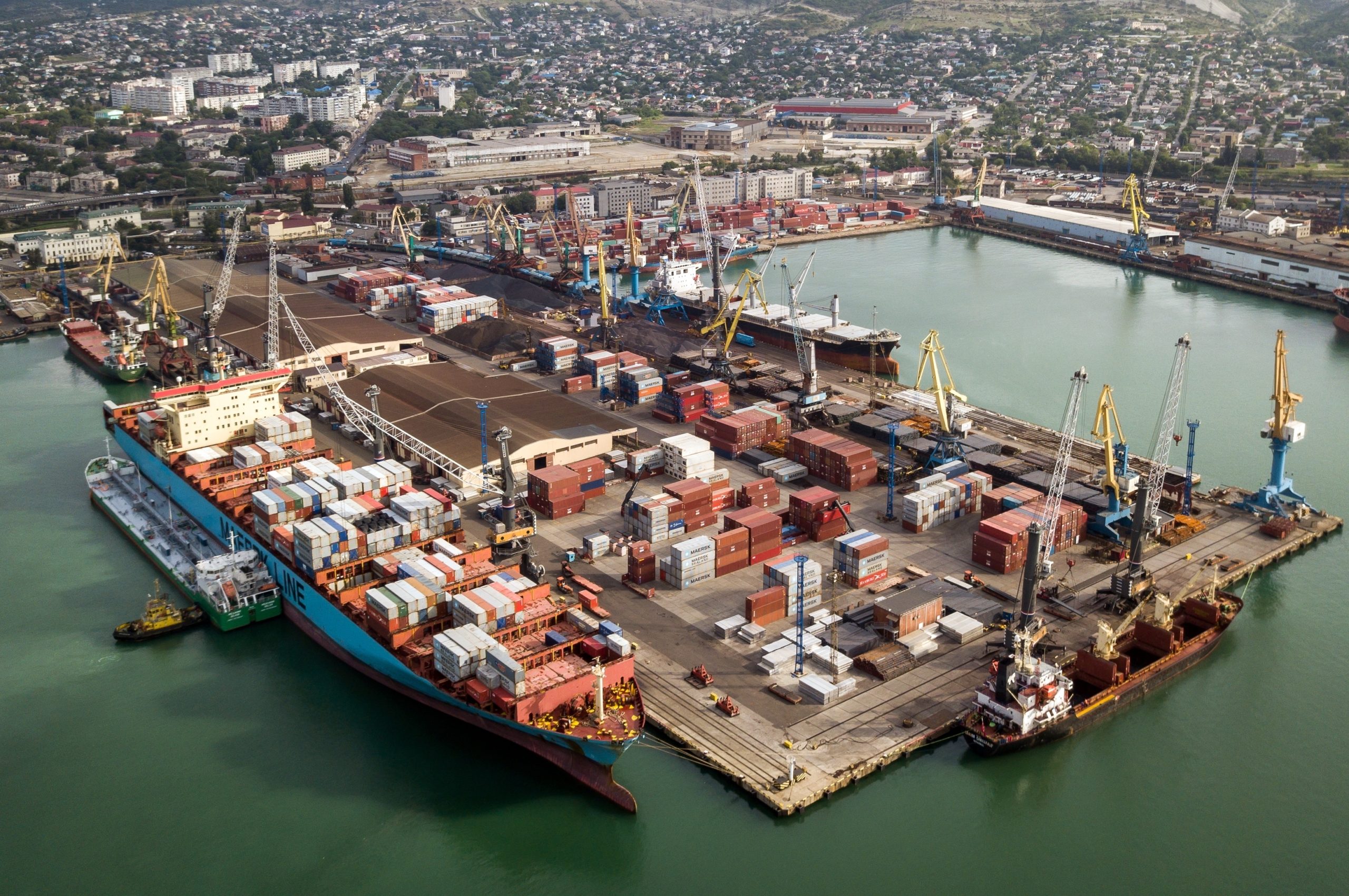
The United Arab Emirates has taken the lead, with logistics company DP World and investment firm Mubadala investing in the mining and infrastructure sectors—focusing on gold, bauxite, and lithium—in Guinea, Mali, and the Democratic Republic of the Congo (DRC). Alongside these investments, the UAE has also established a network of ports in East and West Africa to facilitate mineral exports. Despite taking the lead, the UAE still faces setbacks, such as Guinea withdrawing its mining concession from Emirates Global Aluminum. Saudi Arabia, through its mining company Ma’aden and its sovereign wealth fund, has initiated projects involving copper, cobalt, and phosphate, particularly in Niger, Zambia, and the DRC. This aligns with the “Future Minerals Initiative,” which aims to make Africa, the Gulf, and Asia a global hub for mineral supply chains—enhancing local value chains rather than limiting exports to raw materials and ensuring African communities benefit more directly from their natural resources. Other Gulf states have engaged with Africa’s mineral sector more indirectly—Qatar through logistical and financial investments, Oman by linking its ports to East African Hubs like Tanzania and Kenya, and Kuwait through infrastructure and development investments.
Building on this foundation, Gulf-Africa cooperation could also expand to financing intra-African electricity interconnection projects. Moreover, the development of maritime corridors for hydrogen and mineral transport, alongside the adoption of innovative approaches that integrate artificial intelligence with systemic energy planning for efficient demand and production management, are critical for supporting sustainability. To achieve these feats, the regions will need to establish joint Gulf–African platforms for research, development, and innovation in smart energy.
On a geopolitical level, this convergence could also act as a counterbalance to international dominance, potentially creating a Gulf–African partnership as an alternative to Chinese or European hegemony over African resources. It would also allow the Gulf and Africa to develop an alliance that elevates the Gulf’s status as the world’s energy powerhouse while strengthening a nascent Africa’s rise towards sustainable development and economic prosperity.
Taken together, these initiatives are proving to be mutually beneficial: Africa gains access to capital, infrastructure, and new markets, while the Gulf secures access to strategic minerals like lithium, cobalt, and nickel, which are vital for renewable energy and battery industries. If these interactions continue to develop in an equitable manner, a Gulf-Africa partnership can deliver not only immediate economic gains but also foster sustainable practices that strengthen the Global South’s autonomy.
Ambition Meets Instability: Challenges and Risks for a Gulf-Africa Partnership
While a Gulf-Africa partnership offers numerous benefits, the ambitious strategy also faces key challenges. Foremost among these is the political and security fragility in many African countries, which poses investment risks such as sudden legal and regulatory changes, as well as threats to projects due to conflicts or coups. This deters Gulf countries from committing to large-scale, long-term investments. In turn, instability often affects infrastructure and human resources, increasing project costs and reducing expected returns.
Certain regions in Africa are more susceptible to instability than others. In the Sahel and Sahara (Mali, Burkina Faso, Niger, and parts of Chad), military coups, terrorism, and armed conflicts threaten government stability. The Horn of Africa (Somalia, Ethiopia, Eritrea, and Djibouti) suffers from internal conflicts and border disputes. Central Africa Republic and the Democratic Republic of Congo contend with long-standing armed groups, while Sudan and South Sudan are impacted by war—with different Gulf states on opposing sides of the conflict—and ongoing political and economic crises. In Mozambique, extremist groups are leading an armed insurgency, while Cameroon is undergoing a separatist conflict. Even in Nigeria—one of the region’s most successful economies—terrorism in the north remains volatile.
Beyond security concerns, Gulf-Africa partnerships must navigate the intensifying international competition for African resources. In addition to demand, there is a risk of perpetuating patterns of economic dependency. Ensuring that equitable and sustainable practices are rooted in principles of energy justice and local development in Africa has become a demand of many African states and is therefore critical for the long-term sustainability of Gulf investments in the region.
Forging a Mutually Beneficial Alliance
Despite these challenges, Gulf countries continue to view Africa as a long-term strategic opportunity. Instability is unlikely to eliminate cooperation altogether; on the contrary, it may prompt the search for more flexible cooperation mechanisms. Gulf states, for example, might attempt to leverage their mediation capabilities, reducing potential investment risks and fostering trust between the two regions. Such an approach highlights the need to ground development initiatives and regional cooperation in community-based approaches rather than relying solely on political regimes. Similarly, we may also see Gulf efforts to fund security initiatives that aim to minimize the risk for their investments in the region.
To move from ambition to implementation, several courses of action must be pursued. The establishment of a Gulf-African Council for Energy and Minerals can help coordinate projects and strategies, while a joint investment fund will ensure that renewable energy and green minerals projects are appropriately financed. Academic and research collaboration through joint centers for systemic energy intelligence can help generate new knowledge and tailor existing approaches to new regions. To foster investment sustainability and safeguard development practices, Africa and the Gulf states must also develop a unified legal framework for arbitration and good governance. Building a Gulf–African partnership in green energy and minerals is no longer a luxury for the Gulf—it is a strategic necessity for facing post-carbon challenges and combatting increasing influence in a critical area of the world. With Africa’s natural resources and the Gulf’s financial and technological capacities, both regions can forge a new alliance that rebalances the global energy equation. If built on the foundations of equity, development, and innovation, this partnership could position the Gulf and Africa as twin engines for sustainable energy transition and grant them a leading role in shaping the future of energy and minerals in the 21st century.
The views and opinions expressed in this article are those of the authors and do not necessarily reflect the views of Gulf International Forum.
Issue: Energy & Environment
Country: GCC

Dr. Jamila Mourabit is the Chairwoman of the Multidisciplinary Researchers Council in Morocco. She is a specialist in energy strategies, policy, and environmental sustainability.

Pipe Dreams and Pecking Orders: Who Gets Priority When Gulf Bypass Routes Are Tested?
September 17, 2026In June, Kuwait Petroleum Corporation CEO Sheikh Nawaf Al-Sabah told an Atlantic Council audience that Kuwait was in discussions with Saudi Arabia and the UAE…
Cartel at Dusk: OPEC’s Future After the Iran War
July 28, 2026Something more consequential than another oil market disruption is underway. The Iran war has exposed and accelerated an institutional weakness within OPEC that had been…
Saudi Arabia Needs an Overland Route to Global Energy Markets
July 2, 2026For years, Saudi Arabia has recognized the vulnerability created by its dependence on the Strait of Hormuz. To reduce risks from Iranian disruptions, the kingdom…