From Vision to Reality: The UAE’s Rise as a Global AI Powerhouse
Under the leadership of Sheikh Tahnoon, Abu Dhabi is coding its way to global influence.

The Gulf region has become a pivotal arena in the global artificial intelligence (AI) race, with China and the United States vying for dominance over the direction of AI development in the Gulf. As one analyst observed, “Whoever [wins] the Gulf AI ecosystem is going to be in a very favorable position when it comes to the AI race globally.” Predictably, this competitive environment has fueled substantial investments from major tech players into the region.
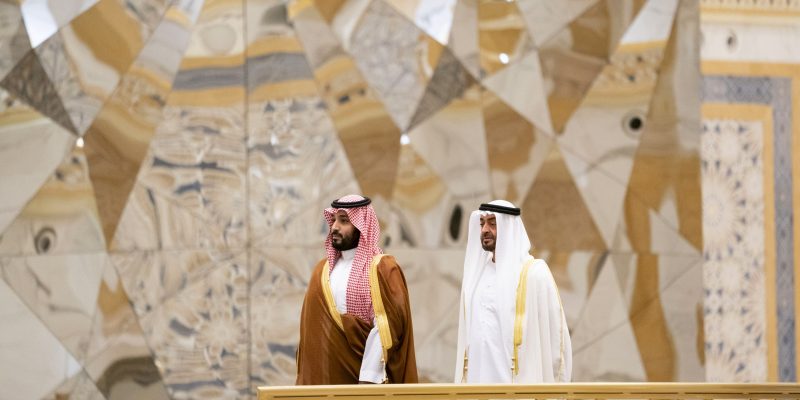
The United Arab Emirates (UAE) has emerged as a global leader in technological innovation, particularly in the realm of AI. This strategic shift aligns with the nation’s ambition to lead AI research, development, and application. With significant investments, strategic policies, and visionary leadership, the UAE has solidified itself as a dominant force in global AI advancement. Central to this effort is Sheikh Tahnoon bin Zayed Al Nahyan, the UAE’s National Security Advisor and a key figure in the Emirati security establishment, who is responsible for driving investments in AI and advanced technologies.
The UAE’s Ambitious AI Strategy
The UAE’s comprehensive AI strategy, launched in 2017, aims to leverage artificial intelligence across multiple sectors to improve governance efficiency, enhance economic diversification, and position the UAE as a global leader in AI technology. The strategy encompasses sectors such as healthcare, transportation, education, food security, and governance. By integrating AI across these domains, the UAE seeks to improve public services, reduce costs, and attract international investments in AI-related industries.
The AI strategy is aligned with the ‘We the UAE 2031 Vision’ and the UAE Centennial 2071 vision—each part of Emirati leaders’ broader strategic vision of the UAE as a global economic powerhouse. By prioritizing AI development and adoption, the UAE is actively laying the groundwork for a knowledge-based economy, facilitating its transition away from an oil-based economy while driving growth through technological innovation.
The Gulf Region as an AI Battleground
The UAE has worked diligently to court major international tech firms, securing significant partnerships to advance its AI goals. For instance, Microsoft invested $1.5 billion in G42, an Emirati AI firm chaired by Sheikh Tahnoon bin Zayed. This strategic partnership reflects the UAE’s increasing role as a technological hub for the Middle East and beyond. Conversely, Emirates-based companies such as Dubai’s DAMAC and Abu Dhabi’s MGX have invested heavily in prominent American AI firms, including OpenAI, Anthropic, and Musk’s xAI.
These investments highlight the UAE’s strategic balancing act—simultaneously leveraging Western technology partnerships and maintaining economic ties with China in order to ensure continued growth in its AI ecosystem.
Navigating Geopolitical Complexities
The UAE’s deep involvement in the AI sector has placed it at the center of an intense global geopolitical competition. The U.S. Commerce Department’s “AI Diffusion Rule,” announced in early 2023, underscores this tension. The regulation classifies countries into three tiers for access to advanced U.S. semiconductor chips:
- Top Tier: Countries with near-unrestricted access, such as Canada, Germany, and Taiwan;
- Middle Tier: Nations outside of the United States’ traditional ally network, which can still purchase advanced chips but face stricter licensing requirements;
- Bottom Tier: Traditionally antagonistic countries with near-total export bans, such as China, Russia, North Korea, and Iran.
As a partner of the United States but not an “ally” in the traditional sense, the UAE falls into the second category, as do most other Arab nations.
Washington’s restrictions have drawn criticism from major U.S. tech companies, including Nvidia and Microsoft, two tech giants that enjoy a fairly long history of close relations with the UAE’s leadership. Both companies have argued that the UAE should be granted greater access to U.S. semiconductor technology. Microsoft, in particular, stressed that the UAE was an “American friend” that was being unfairly restricted under the AI diffusion policy.
Balancing Economic Partnerships with China
However, a change in U.S. policy with respect to semiconductor exports to the UAE is unlikely. While Abu Dhabi has maintained a strong partnership with the United States, it has raised concerns in Washington for its economic ties with Chinese technology firms. Indeed, the UAE’s exposure to Chinese tech has become a recurring point of tension in diplomatic discussions.
A notable example of U.S. discomfort with close China-UAE ties was the Microsoft-G42 deal, which required G42 to sever ties with Chinese tech firms as a condition for American investment. This agreement reflects the broader geopolitical rivalry between the United States and China, with the UAE being strategically positioned between the two superpowers.
In spite of these complexities, the UAE has mostly managed to balance its diplomatic ties effectively. By maintaining strategic investments from both Western and Chinese entities, the UAE has solidified its status as a bridge between the West and Asia. Indeed, by maintaining close ties with both sides, Abu Dhabi could be ideally positioned to play a mediatory role in the future, if any conflicts arise between the major AI players.
The Role of Sheikh Tahnoon in AI Advancement
Sheikh Tahnoon bin Zayed Al Nahyan has played a pivotal role in the UAE’s technological advancement, particularly in the field of AI. As the chairman of G42, Sheikh Tahnoon has overseen major investments and partnerships that have helped position the UAE as a global AI leader. Under his leadership, G42 has collaborated with international tech giants and played a central role in deploying AI solutions across key industries.
His strategic vision has enabled the UAE to secure investments from leading AI firms, foster innovation, and develop cutting-edge infrastructure to support the country’s technological growth. Sheikh Tahnoon’s leadership has been instrumental in aligning the UAE’s AI ambitions with its broader economic development goals.
In a move to deepen economic ties and reinforce its strategic partnership with the United States, the UAE recently announced plans to invest $1.4 trillion in the U.S. economy over the next decade. Crucially, the announcement followed a key meeting between the U.S. President Donald Trump and Sheikh Tahnoon. The investment underscores the UAE’s commitment to strengthening its comprehensive partnership with the United States while continuing to leverage Western technological expertise to drive innovation domestically.
Future Outlook for the UAE’s AI Strategy
The UAE’s commitment to AI innovation is expected to expand in the coming years. With ongoing investments in AI research centers, talent development and attraction programs, and partnerships with global tech leaders, the UAE is well-positioned to remain a dominant force in the AI landscape.
The government’s focus on digital transformation, combined with its strategic diplomatic efforts, will continue to attract international investors and tech innovators. By leveraging its financial strength, geopolitical position, and forward-looking leadership, the UAE is poised to shape the future of AI on a global scale.
Ultimately, the UAE’s AI strategy reflects a pragmatic blend of technological ambition, diplomatic foresight, and economic vision. Through strategic investments, international partnerships, and visionary leadership, the UAE has emerged as a formidable leader in AI.
As the race to develop artificial intelligence intensifies, the UAE’s capacity to manage geopolitical complexities while fostering technological innovation will solidify its influence on the global stage. With its future-oriented vision and commitment to transform its economy, the UAE is set to shape the future of AI and redefine technological leadership worldwide.
The views and opinions expressed in this article are those of the authors and do not necessarily reflect the views of Gulf International Forum.
Issue: Economy & Innovation
Country: UAE

Marwan Alblooshi is an Emirati PhD researcher in Politics and International Relations at Lancaster University. Alblooshi’s thesis investigates Emirati foreign policy shifts over time and their relationship to various external and domestic dynamics. He previously served as an advisor to decision-making entities in the United Arab Emirates.
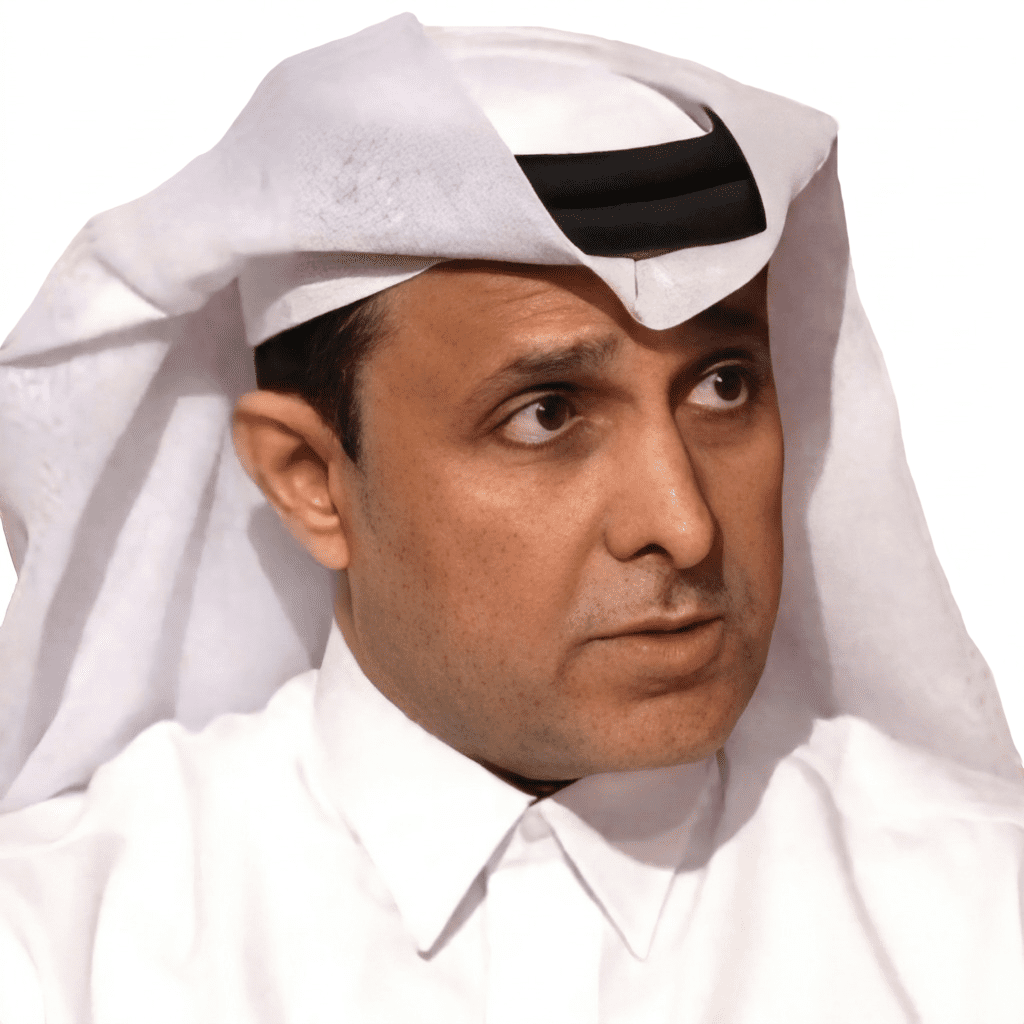
Dr. Khalid Al-Jaber is the Executive Director of the Middle East Council on Global Affairs. He is a distinguished scholar and practitioner specializing in political communication and Middle East and North Africa (MENA) affairs. Al Jaber has held prominent leadership positions, including Director of Al-Sharq Studies & Research Center and Editor-in-Chief of The Peninsula, Qatar’s leading English-language daily newspaper. He also served as an Assistant Professor of Political Communication in the Gulf Studies Program at Qatar University, where he made significant contributions to the academic and policy discourse on regional and international issues. Al-Jaber’s research focuses on the Gulf and MENA region, with expertise spanning political science, public diplomacy, international communications, and international relations. He is the author and editor of several books and numerous scholarly articles. He holds a Ph.D. from the University of Leicester, a Master’s degree from the University of West Florida, and postgraduate diplomas from Fordham University, Stanford University, and Georgetown University.
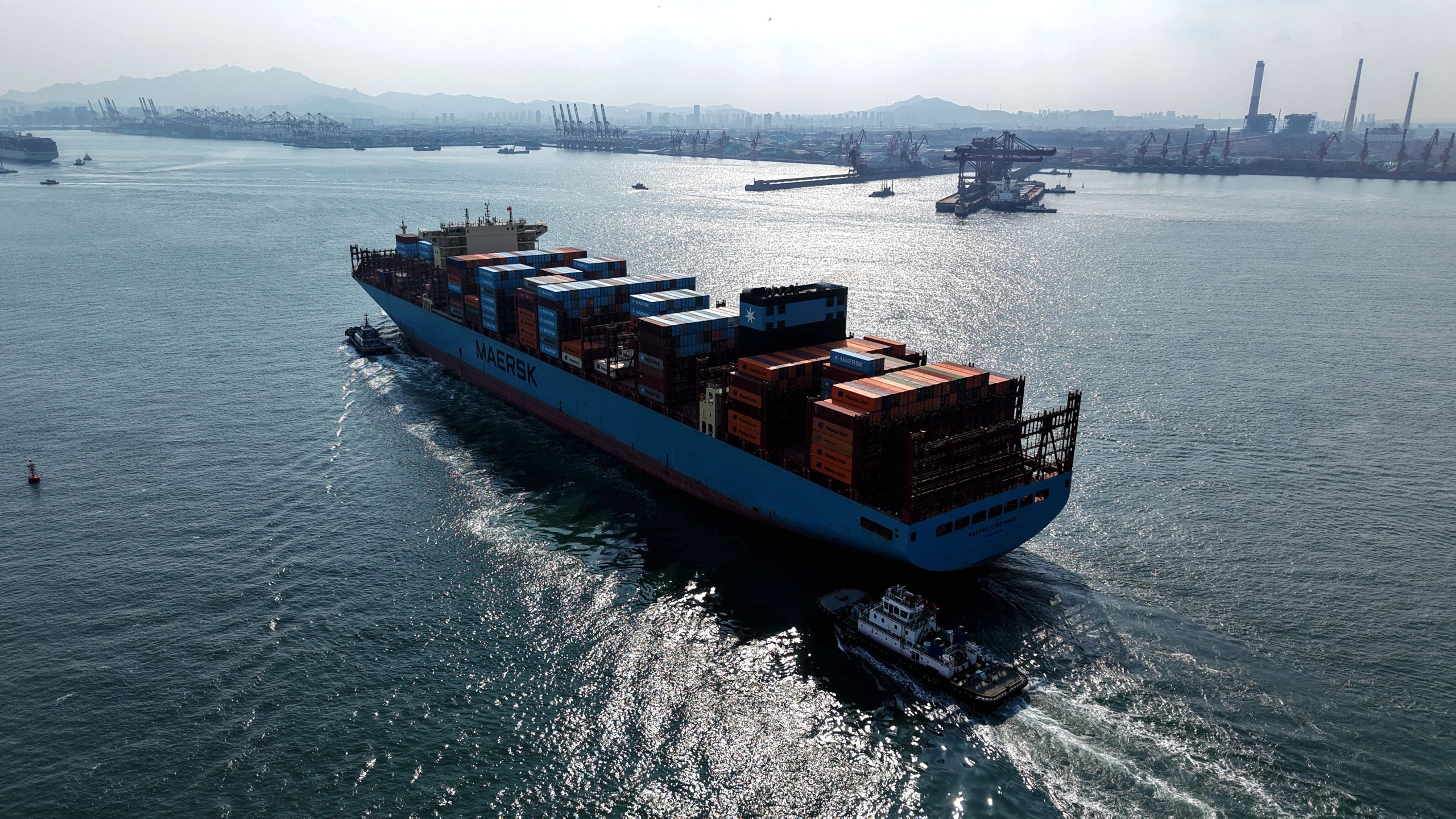
The Middle East’s Corridor Boom Meets Reality
July 22, 2026In recent years, particularly since the outbreak of the recent conflicts in Gaza and Iran, the Middle East has seen a resurgence of connectivity projects….
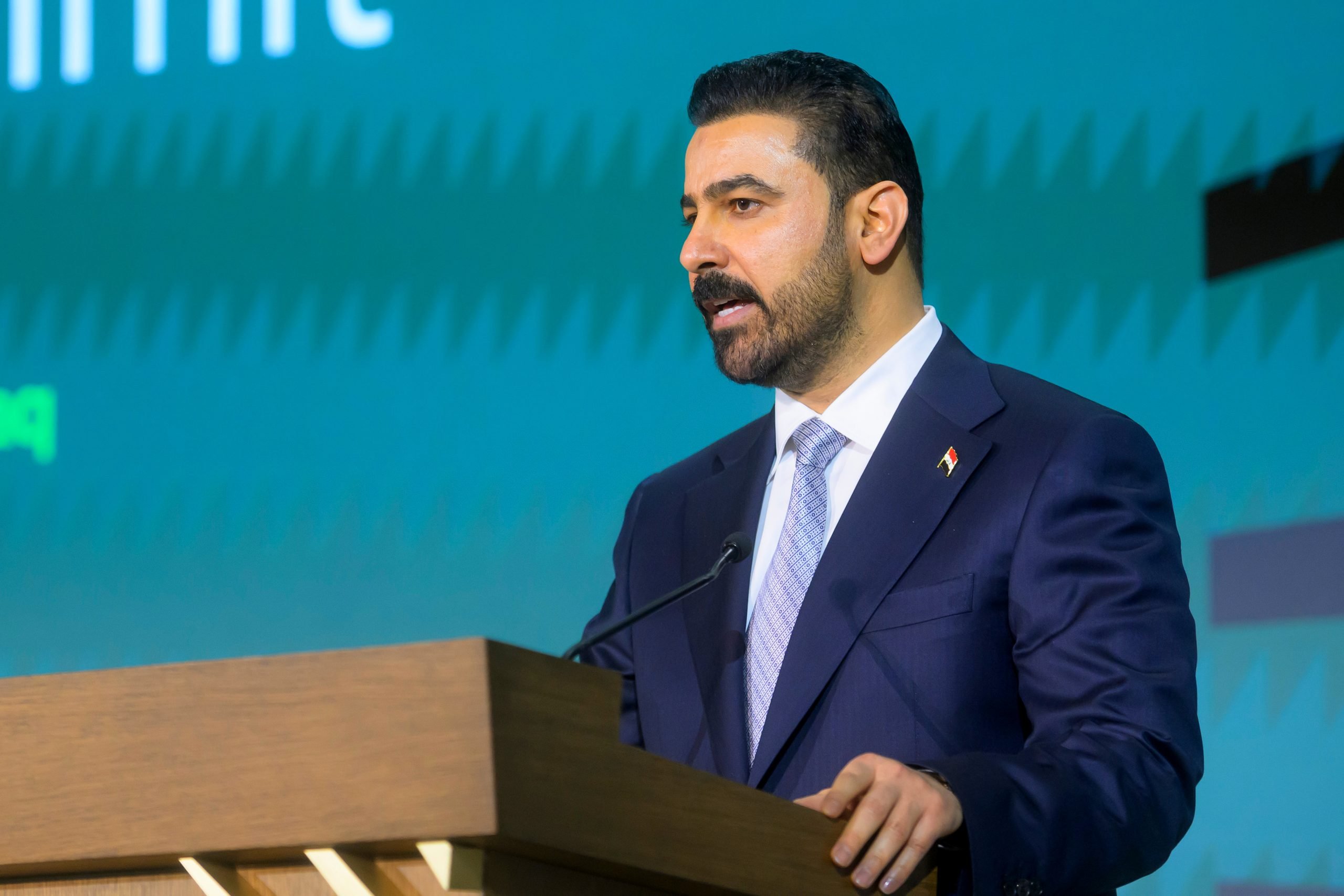
Iraq’s Fiscal Shock and the New Government’s Bargain
July 20, 2026The disruptions to shipping through the Strait of Hormuz have left Iraq facing more than an immediate export shock. Transport has remained constrained, insurance and…