Rebuilding Confidence at Home: How Kuwait Can Strengthen Its Domestic Investment Climate
Foreign investment alone will not be sufficient to strengthen or secure Kuwait’s economy. To prevent further capital outflows and ensure long-term growth, Kuwait must focus on retaining domestic capital through regulatory reforms and effective PPPs to rebuild investor confidence and boost economic resilience.

This article is the second of a two-part series on the challenges of domestic investment in Kuwait. Part one, which explores how these challenges initially pushed domestic investors abroad, can be found here.
Kuwaiti investors have shown time and again their eagerness to support the nation’s economy. However, a combination of regulatory, financial, and market-based challenges has pushed many to seek opportunities abroad. If Kuwait does not address these hurdles and stimulate domestic business opportunities, it faces an increasingly uncertain future. Its dependence on oil and gas has proven to be a financial double-edged sword, with periods of declining crude prices contributing to budget deficits for the first time in the country’s history.
Economic diversification is therefore crucial to strengthening Kuwait’s economy and broadening its prospects for growth. While Kuwait’s efforts to attract foreign investment are commendable, they must be matched by support for domestic investors if the country is to achieve sustainable economic growth. By creating a business environment that welcomes both foreign and local investors, Kuwait can unlock its private sector’s full potential and build a more resilient economic future.
The Challenge: Capital Flight and Investor Frustration
Capital flight has emerged as a major threat to Kuwait’s economic prospects, as investors increasingly seek more attractive opportunities in neighboring countries. A combination of limited access to financing, regulatory hurdles, and inefficient public-private partnerships (PPPs) has constrained Kuwait’s investment landscape and risks driving domestic capital abroad. Additionally, institutional reforms are crucial to addressing these challenges and improving Kuwait’s investment climate. Addressing these challenges is essential to retaining investor confidence and fostering a more resilient economy.
Recommendation 1: Reform Regulatory and Financial Barriers
To address these challenges and retain local investment, Kuwait must adopt policies that level the playing field for local investors. This includes creating more favorable financing conditions, reducing bureaucratic obstacles, and implementing transparent regulations that allow local businesses to thrive. According to the IMF’s 2024 report, enhancing regulatory quality is essential for creating a fairer business environment in Kuwait. Furthermore, Kuwait should explore ways to make its market more scalable, such as encouraging regional partnerships and expanding export opportunities for domestic industries.
Opportunities to reduce regulatory and bureaucratic barriers lie primarily in process improvement, education, and access. As neighboring countries increasingly offer faster and more predictable investment environments, Kuwait can improve its competitiveness by shortening approval timelines. Rather than removing essential vetting or security measures, the government can target smaller inefficiencies and replace them with faster and more streamlined procedures.
Kuwait’s trade system presents another significant barrier to investment. Restricted imports, outdated logistics, and bureaucratic hurdles increase continue to increase costs and uncertainty for businesses. Accordingly, investors concerned about their ability to generate reliable returns are more likely to seek opportunities in markets with fewer restrictions. Modernizing trade logistics and reducing the steps required for legalizing shipping documents and processes would help create a more accessible trade environment.
Recommendation 2: Build a Modern, Transparent, and Scalable PPP System
Revitalizing Kuwait’s PPP framework is also a crucial step toward improving the country’s investment climate. As the government considers expanding its PPP framework to compete with rapidly growing neighbors such as Saudi Arabia and the United Arab Emirates, effective collaboration between public institutions and private firms will be essential. Initiatives involving collaboration with companies like the National Technology Enterprises Company (NTEC) demonstrate the potential for bridging the public and private sectors by combining state resources with private-sector expertise.
A notable Kuwaiti success story is the Public Authority for Housing Welfare (PAHW). PAHW’s approach features clearly defined responsibilities, transparent processes, and proactive engagement with private-sector stakeholders. One example is an $863 million contract signed to improve the construction and water infrastructure in Saad Al-Abdullah. This structured framework has boosted investor confidence, supported timely project implementation, and generated high levels of private sector satisfaction.
The contrast between traditional government-managed PPP projects and the PAHW model is stark. While PAHW’s PPPs benefit from clear delineation of roles, streamlined processes, and sustained stakeholder engagement, traditional PPPs often suffer from a lack of governance structure, such as, transparency and weak accountability, leading to delays and investor frustration. These differences provide valuable insights into which practices should be replicated or avoided in future PPP developments. Furthermore, government entities should adopt PAHW’s most effective practices by providing clarity in regulatory frameworks, streamlining approval processes, and maintaining consistent communication with stakeholders.
By creating PPPs that are accessible and beneficial to both foreign and domestic investors, Kuwait can foster stronger collaboration between the government and the private sector while ensuring the economy benefits from a wide range of contributions. These partnerships would also help align Kuwait’s national development priorities with the expertise and ambitions of its private sector leaders. Enhancing PPP frameworks has significant implications for Kuwait’s economic diversification and sustainable growth, as improved practices could significantly boost investor confidence and attract additional local and foreign capital. As Kuwait continues to refine its PPP models, the country can expect advancements in infrastructure quality as well as progress toward the broader economic diversification goals outlined in Kuwait Vision 2035.
Keeping Kuwait Competitive
Kuwait’s ability to strengthen and diversify its economy will not only rely on its success in attracting foreign capital, but also on restoring domestic investor confidence. Persistent capital flight reflects deeper structural weaknesses within Kuwait’s domestic investor climate, including regulatory inefficiencies, limited access to financing, and ineffective PPP frameworks. Unaddressed, these constraints risk undermining Kuwait’s long-term growth, regional competitiveness, and economic resilience.
Unfortunately, there are no shortcuts to improving the investment climate; a range of reforms agendas is needed to boost investor confidence and keep preserve the country’s economic relevance and competitiveness with its Gulf peers. Moreover, a comprehensive and sequenced reform agenda is required to modernize regulatory institutions, expand private-sector participation, and strengthen governance and accountability. These measures will take time and political commitment from Kuwait’s leadership, but they will be vital for the nation’s financial stability—and its economic relevance in the decades to come.
The views and opinions expressed in this article are those of the authors and do not necessarily reflect the views of Gulf International Forum.
Issue: Economy & Innovation, Politics & Governance
Country: Kuwait

Dalal A. Marafie is a highly accomplished professional with a strong academic background and extensive experience in private sector development, political economy, and gender equality. She holds a Master’s degree in Middle East Studies, with a specialization in GCC Studies, from the University of Exeter. With over seven years of experience at the World Bank Group (WBG), Dalal has led and supported impactful development and advisory projects across the Middle East, particularly in Kuwait, Qatar, and Iraq. Her expertise lies in enhancing the business environment, promoting investment, and supporting economic reform agendas. She played a pivotal role in Kuwait’s recognition as one of the Top 10 Reformers in the World Bank Group’s Doing Business Report 2020, and contributed to flagship initiatives such as the Silk Road City project and investment promotion efforts with the Kuwait Direct Investment Promotion Authority (KDIPA). Her work has focused on aligning regulatory frameworks with global standards and enabling private capital flows into strategic sectors.
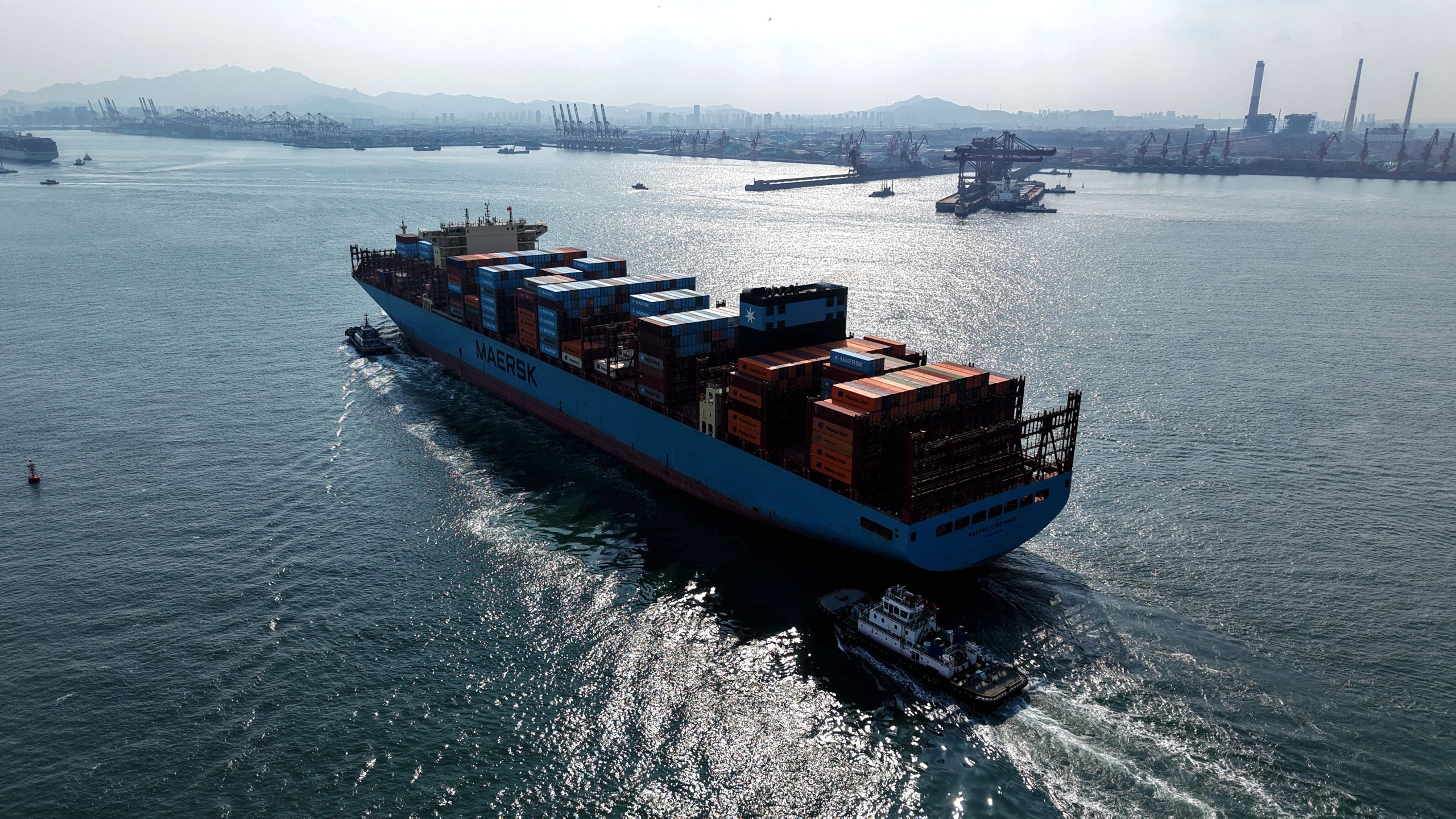
The Middle East’s Corridor Boom Meets Reality
July 22, 2026In recent years, particularly since the outbreak of the recent conflicts in Gaza and Iran, the Middle East has seen a resurgence of connectivity projects….
Iraq’s Fiscal Shock and the New Government’s Bargain
July 20, 2026The disruptions to shipping through the Strait of Hormuz have left Iraq facing more than an immediate export shock. Transport has remained constrained, insurance and…